
Ever wonder how to make cold foam for coffee that rivals your favorite coffee shop? That creamy, dreamy topping isn’t just for fancy cafes anymore. You can whip up luscious cold foam right in your kitchen, and it’s easier than you think. Ready to elevate your home coffee game?
This guide will walk you through everything you need to know about how to make cold foam for coffee, from the basic ingredients to pro tips for the perfect texture.
What Exactly Is Cold Foam?
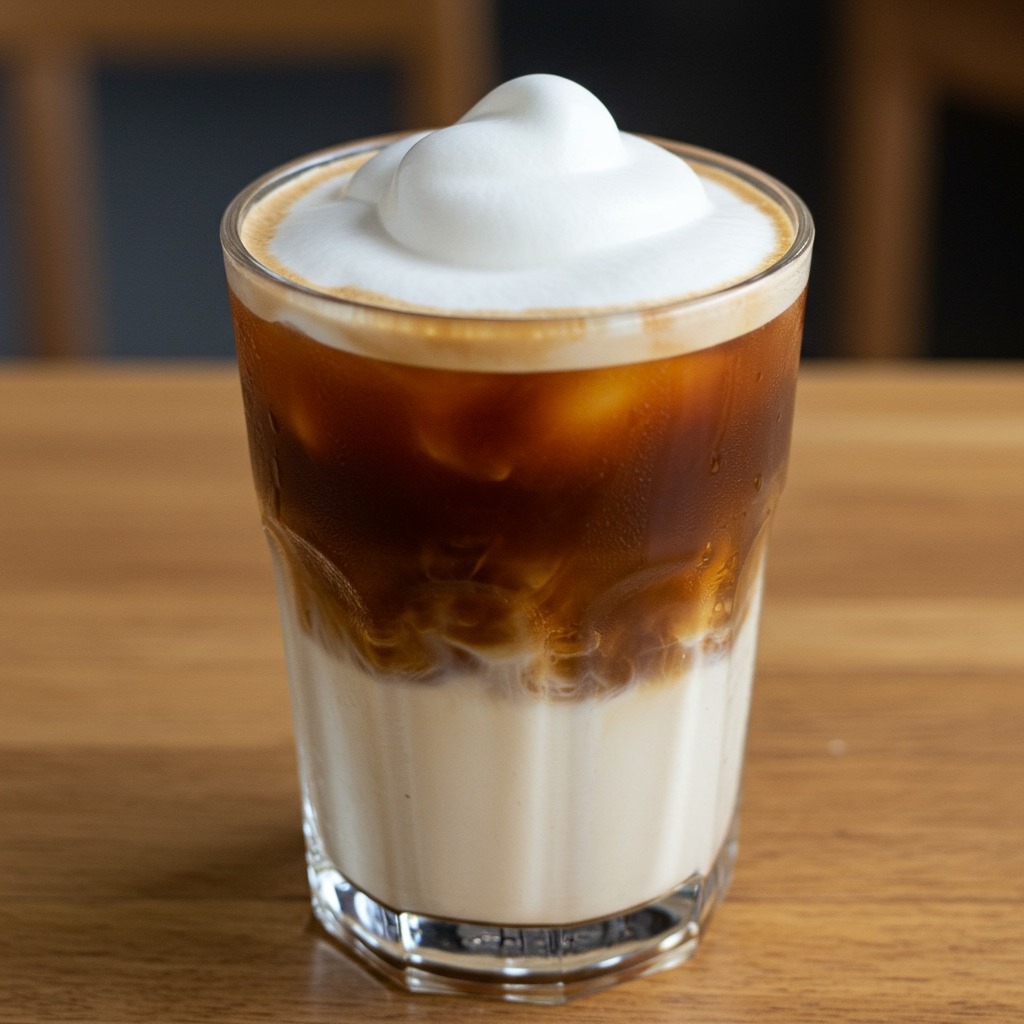
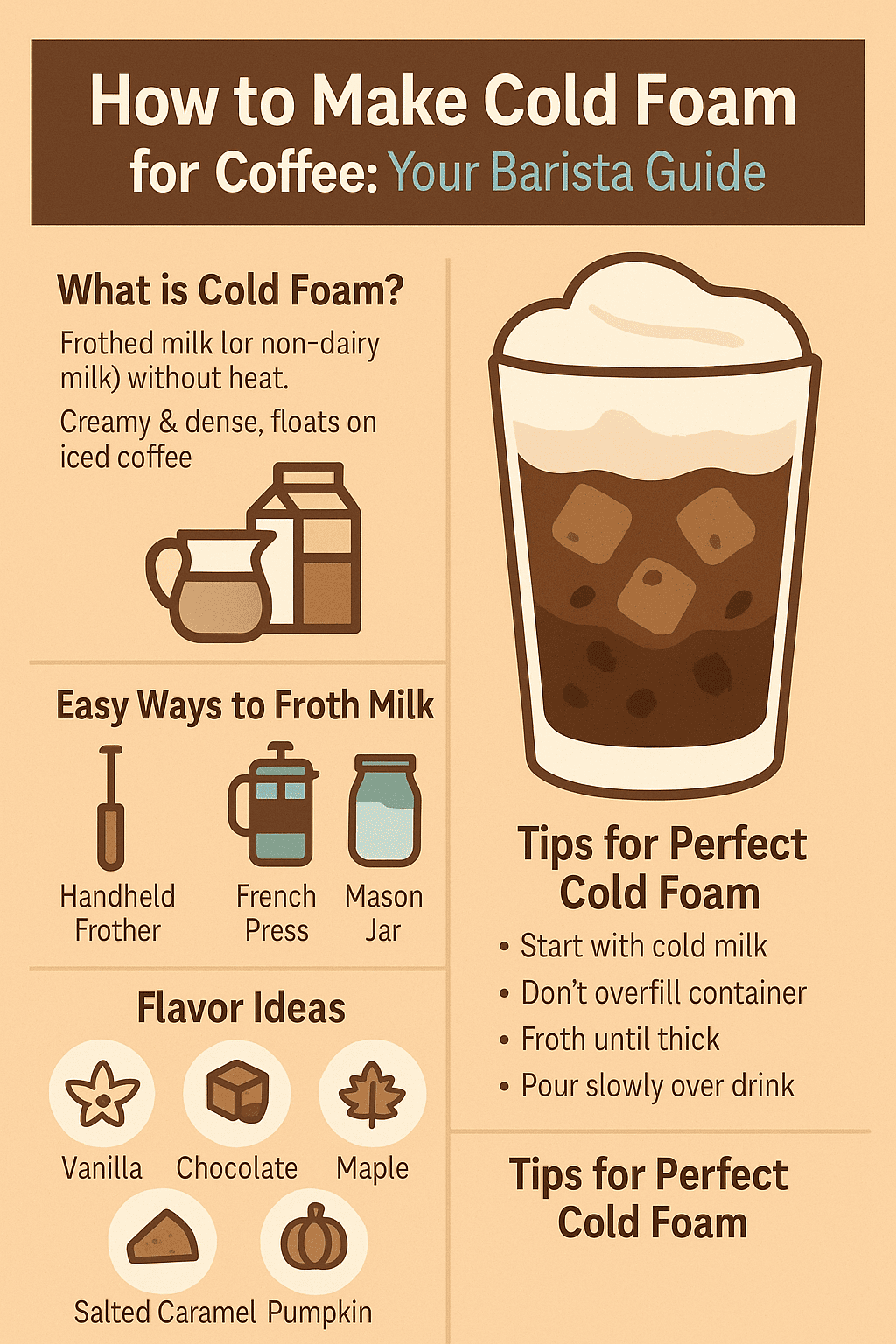
Before we dive into how to make cold foam for coffee, let’s clarify what it is. Cold foam is essentially frothed milk (or a non-dairy alternative) that’s made without heat. Unlike traditional steamed milk foam which is hot and airy, cold foam is denser, creamier, and, as the name suggests, cold. It floats beautifully on top of iced coffees, cold brews, and even lattes, slowly cascading into the drink.
It’s the secret to those picture-perfect layered coffee creations you see all over social media. And guess what? You’re about to master it.
Why You’ll Love Making Your Own Cold Foam
Learning how to make cold foam for coffee at home is a game-changer. Here’s why:
- Save Money: Your daily coffee run can add up. Making cold foam at home significantly cuts down on that expense.
- Customize It: You control the ingredients. Want it sweeter? Less sweet? Flavored? Dairy-free? You decide!
- Impress Your Friends (and Yourself!): There’s a certain satisfaction in creating a coffee-shop quality drink at home.
- It’s Quick & Easy: Seriously, you can have delicious cold foam in minutes.
Getting Started: What You’ll Need
The beauty of learning how to make cold foam for coffee is its simplicity. You probably already have most of what you need.
Key Ingredients:
- Milk: This is the star. We’ll talk about the best types of milk (dairy and non-dairy) in a moment.
- Sweetener (Optional): Simple syrup, maple syrup, honey, or even powdered sugar work well.
- Flavoring (Optional): Vanilla extract is a classic, but feel free to get creative with other extracts, syrups, or even cocoa powder.
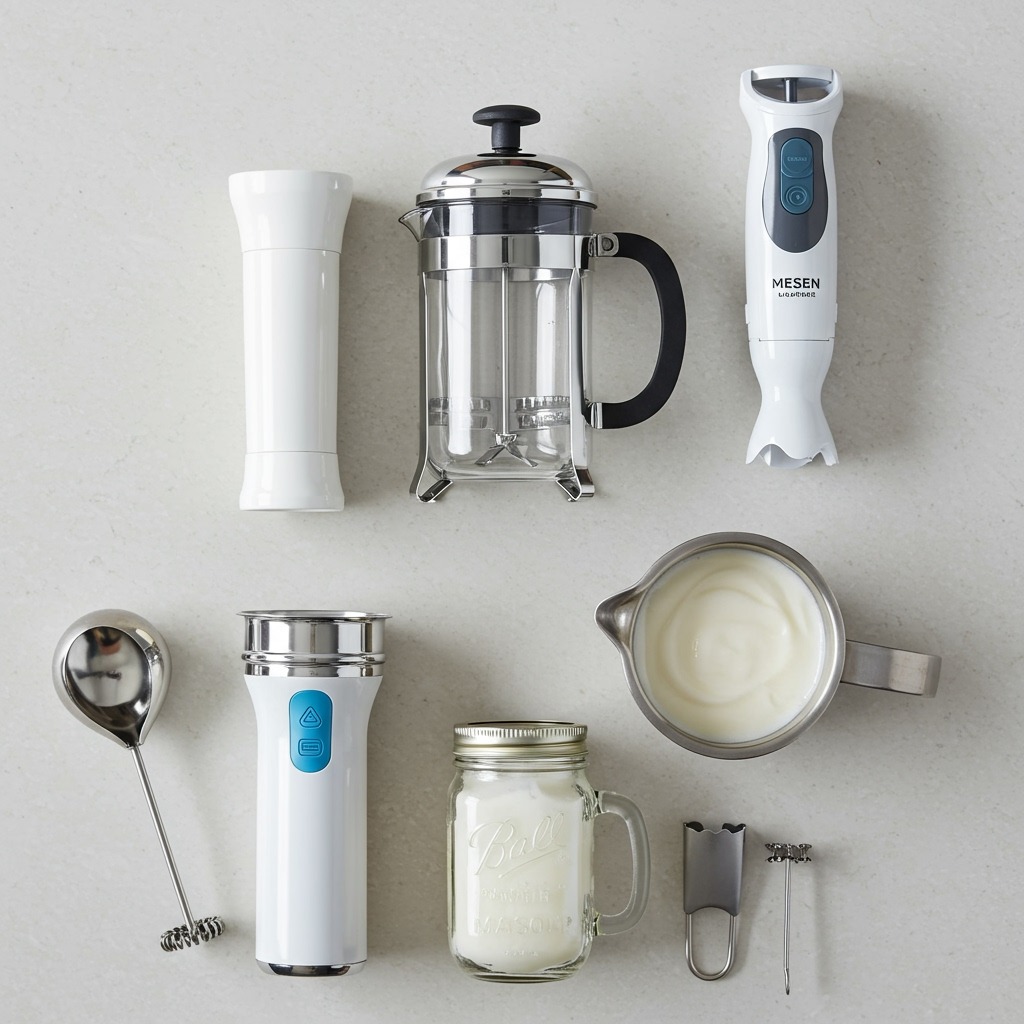
Essential Equipment (Choose One):
- Handheld Milk Frother: This is often the easiest and most affordable option.
- French Press: Yes, your coffee maker doubles as a frother!
- Immersion Blender: If you have one, it can work in a pinch.
- Blender (Regular or Personal-Sized): A powerful blender can also create great foam.
- Mason Jar with a Lid: The good old-fashioned shaking method!
Choosing Your Milk: The Foundation of Great Cold Foam
The type of milk you use will significantly impact the texture and stability of your cold foam. Here’s a breakdown:
- Dairy Milk:
- Skim Milk (Nonfat Milk): Surprisingly, this is often the best choice for the stiffest, most voluminous foam due to its higher protein-to-fat ratio. It’s the go-to for many baristas when learning how to make cold foam for coffee for a classic, light texture.
- 2% Milk (Reduced-Fat Milk): A good middle ground, offering decent foam volume and a creamier taste than skim milk.
- Whole Milk: Produces a richer, creamier foam, but it might not be as stable or voluminous as foam made with lower-fat milks. The fat content can sometimes weigh the bubbles down.
- Heavy Cream or Half-and-Half: While you can froth these, they tend to become more like whipped cream. For a true cold foam, it’s best to mix heavy cream with a lower-fat milk or use it sparingly for a super decadent treat.
- Non-Dairy Milk: Learning how to make cold foam for coffee with non-dairy options is totally doable!
- Oat Milk: Barista blends of oat milk are fantastic for frothing, creating a creamy and stable foam. Regular oat milk can also work, but the results may vary.
- Soy Milk: Another good contender, soy milk generally froths well, producing a decent foam.
- Almond Milk: Can be a bit trickier. Look for barista series almond milk, as regular versions often produce a thinner, less stable foam.
- Coconut Milk (from a carton): Similar to almond milk, it can be inconsistent. Full-fat canned coconut milk (the thick cream part) can be used for a very rich, whipped-cream-like foam, but isn’t typical for classic cold foam.
Pro Tip: Always use cold milk. The colder the milk, the better it will froth and hold its shape.
How to Make Cold Foam for Coffee: Step-by-Step Methods
Ready to get frothing? Here are several ways how to make cold foam for coffee:
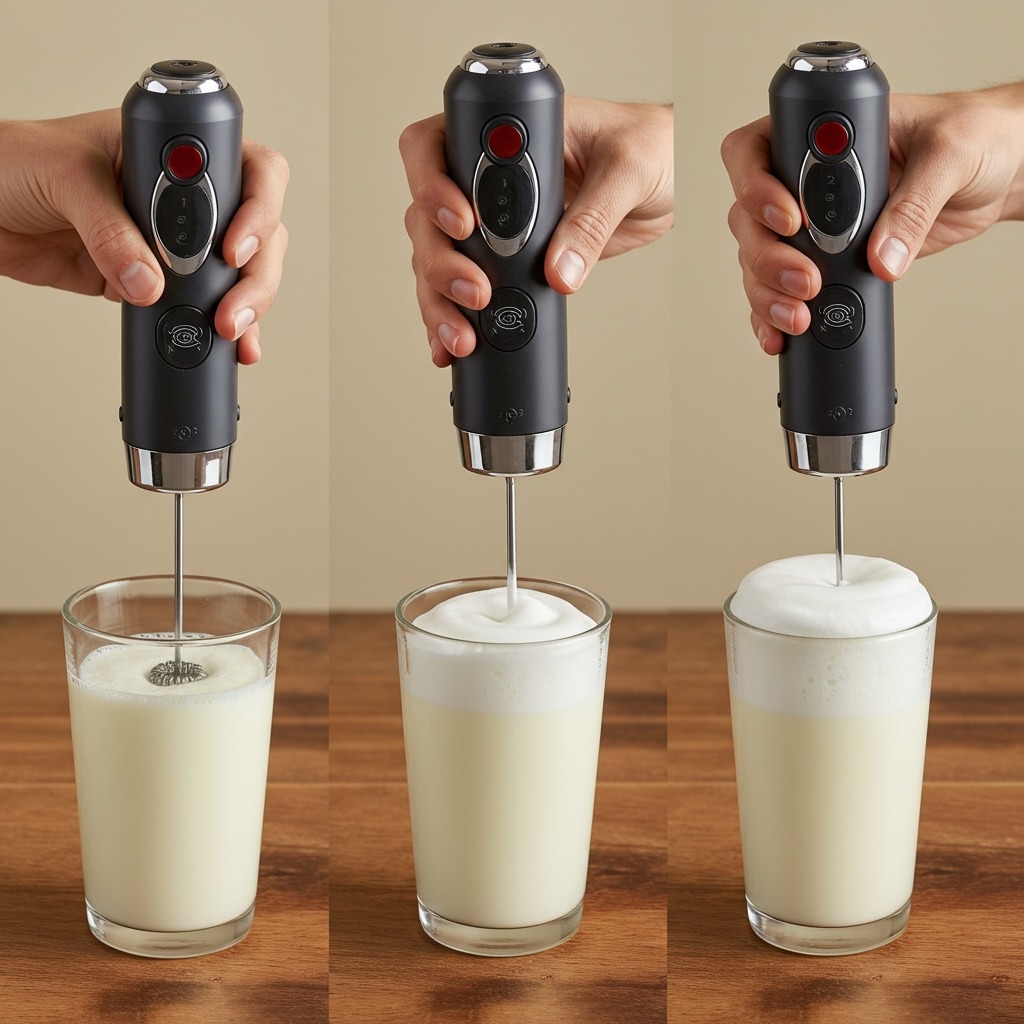
Method 1: Handheld Milk Frother
This is arguably the most popular and straightforward method.
- Chill Your Milk: Pour about 1/4 to 1/3 cup of cold milk into a glass or small pitcher. If using sweetener or flavoring, add it now.
- Immerse the Frother: Submerge the whisk head of the frother just below the surface of the milk.
- Froth Away: Turn on the frother. Move it up and down gently to incorporate air. You’re looking for the milk to double or even triple in volume and create a thick, pourable foam. This usually takes about 30-60 seconds.
- Tap and Swirl (Optional): Gently tap the glass on the counter a couple of times to release any large air bubbles. Swirl the glass to create a smoother, more velvety texture.
- Pour: Spoon or gently pour your homemade cold foam over your iced coffee.
Method 2: French Press
Your French press isn’t just for brewing!
- Add Milk: Pour about 1/2 cup of cold milk (and any sweeteners/flavors) into your French press. Don’t fill it more than one-third full, as the volume will increase significantly.
- Plunge Rapidly: Secure the lid and rapidly pump the plunger up and down for about 30-60 seconds. You’ll feel resistance as the foam builds.
- Check Consistency: Lift the lid. You should have a thick, creamy foam.
- Pour: Gently pour or spoon over your drink.
Read more: How to Make French Press Coffee: The Complete Guide
Method 3: Mason Jar
No fancy gadgets? No problem!
- Combine Ingredients: Pour about 1/4 to 1/2 cup of cold milk (plus sweeteners/flavors) into a clean mason jar. Ensure the jar is no more than half full.
- Seal Tightly: Screw the lid on securely.
- Shake Vigorously: Shake the jar as hard as you can for about 45-60 seconds.
- Rest and Thicken: Let the jar sit for about 30 seconds. The foam will thicken further.
- Pour: Carefully pour or spoon the foam onto your coffee.
Method 4: Blender (Regular or Immersion)
- Regular Blender: Add your cold milk (and additions) to the blender. Start on a low speed, then increase to medium. Blend for about 30-45 seconds, or until frothy and thick.
- Immersion Blender: Place your cold milk in a tall glass or pitcher (deep enough to prevent splattering). Submerge the immersion blender just below the surface and blend, moving it up and down, for about 30-60 seconds until foamy.
How to Make Cold Foam for Coffee at Home Like a Barista
Cold Foam Ratios and Storage Guide
Mastering how to make cold foam for coffee requires understanding the right milk ratios for different foam densities. Use this quick reference table to achieve your desired consistency:
| Foam Type | Heavy Cream | Milk | Best For |
| Light Foam | 1 part | 3 parts | Iced lattes, light topping |
| Medium Foam | 1 part | 2 parts | Cold brew, balanced texture |
| Thick Foam | 2 parts | 1 part | Specialty drinks, rich topping |
How Long Does Cold Foam Last?
Proper storage significantly impacts your cold foam’s lifespan and quality. Freshly made cold foam should be used immediately for best results, but here are storage guidelines:
- Room temperature: Use within 30 minutes before foam begins to separate
- Refrigerated: Store up to 2 hours in an airtight container
- On coffee: Consume within 15-20 minutes for optimal texture and appearance
For maximum freshness, store unused cold foam in the refrigerator and give it a gentle stir before using. The foam will naturally settle, but a quick re-whip with your frother can restore much of its original texture.
Flavor Variations: Take Your Cold Foam to the Next Level
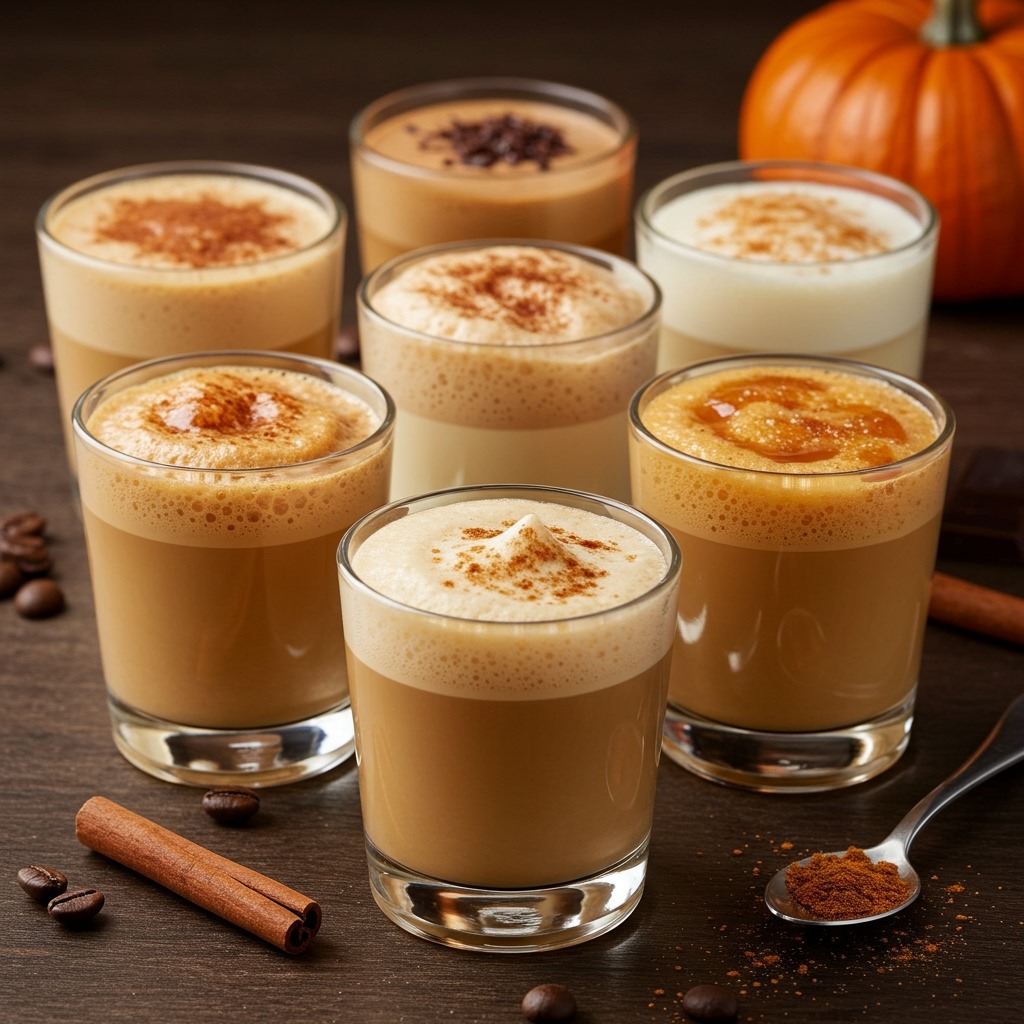
Now that you know the basics of how to make cold foam for coffee, it’s time to get creative! These flavor variations are organized from beginner-friendly to more advanced recipes.
Beginner Level: Simple Syrup Additions
Vanilla Sweet Cream Cold Foam (Starbucks-Inspired):
- 1/4 cup heavy cream
- 2 tablespoons 2% milk
- 1 tablespoon Torani or Monin vanilla syrup
Froth until thick and creamy. This creates a rich, café-quality foam that costs about $0.35 per serving compared to $0.65 at Starbucks.
Caramel Cold Foam:
- 1/4 cup whole milk
- 1 tablespoon Ghirardelli caramel sauce
- Pinch of sea salt
Mix ingredients and froth together. The salt enhances the caramel flavor beautifully.
Intermediate Level: Powder and Extract Combinations
Chocolate Cold Foam:
- 1/4 cup 2% milk
- 1-2 teaspoons Hershey’s unsweetened cocoa powder
- 1 teaspoon simple syrup or honey
Create a small slurry with cocoa powder and 1 teaspoon of milk first, then add remaining milk and sweetener. Froth until smooth to prevent clumps. Cost per serving: approximately $0.25.
Maple Pecan Cold Foam:
- 1/4 cup whole milk
- 1-2 teaspoons pure maple syrup (Grade A recommended)
- 2-3 drops McCormick pecan extract
Perfect for fall coffee drinks with a nutty, sweet profile.
Advanced Level: Complex Flavor Profiles
Pumpkin Spice Cold Foam:
- 1/4 cup whole milk
- 1 tablespoon Libby’s pumpkin puree
- 1/2 teaspoon McCormick pumpkin pie spice
- 1-2 teaspoons maple syrup
Whisk pumpkin puree until completely smooth before adding other ingredients. Strain if necessary to achieve silky texture. This seasonal favorite costs about $0.45 per serving versus $0.75 at coffee shops.
Brown Butter Toffee Cold Foam:
- 1/4 cup heavy cream
- 1 teaspoon brown butter extract
- 1 tablespoon toffee syrup
- Pinch of cinnamon
This sophisticated flavor combination requires precise measuring but delivers coffeehouse-quality results.
Professional Tips for Perfect Flavoring:
- Add liquid sweeteners and extracts directly to milk before frothing
- For powders like cocoa or spices, create a slurry with 1 teaspoon milk first
- Taste test your base mixture before frothing – flavors will dilute slightly during the process
- Store homemade syrups in the refrigerator for up to two weeks
Each homemade cold foam variation costs 50-70% less than coffee shop versions while allowing complete control over sweetness and flavor intensity.
Troubleshooting Common Cold Foam Issues
Learning how to make cold foam for coffee sometimes involves a little trial and error. Here are some common problems and how to fix them:
- Foam is Too Bubbly/Not Creamy:
- Cause: You might have incorporated too much air too quickly, or your frothing technique needs adjustment. Over-frothing can also lead to this.
- Fix: Try frothing for a shorter period or with less vigorous movement. After frothing, gently tap the container on the counter and swirl it to help smooth out the bubbles and create a more velvety microfoam.
- Foam is Too Thin/Watery:
- Cause: The milk wasn’t cold enough, you didn’t froth long enough, or the type of milk isn’t ideal for frothing (e.g., some regular almond milks).
- Fix: Ensure your milk is very cold. Try frothing for a longer duration. Consider switching to a milk known for better frothing capabilities, like skim milk or a barista-blend non-dairy milk. For a richer foam, you could try adding a tiny splash of heavy cream (though this makes it more like sweet cream).
- Foam Deflates Quickly:
- Cause: This is common with lower-protein milks or if the foam wasn’t frothed to the right consistency. Using warm milk will also cause this.
- Fix: Again, cold milk is key. Ensure you’re frothing until it’s quite thick and stable. Skim milk or barista-style non-dairy milks tend to hold their foam longer.
- My Non-Dairy Milk Isn’t Frothing:
- Cause: Not all non-dairy milks are created equal when it comes to frothing. Some lack the necessary protein or fat structure.
- Fix: Opt for “barista series” or “barista blend” non-dairy milks. These are specifically formulated for frothing. Oat milk and soy milk generally perform better than almond or rice milk for frothing. You might also want to check out specialized guides on frothing specific types of non-dairy milk, like this helpful resource on how to froth almond milk.
Pro Tips for Perfect Cold Foam Every Time
Start with COLD Milk: Temperature is critical for foam stability. Use milk straight from the refrigerator (ideally 35-40°F). Cold milk proteins hold their structure longer, creating foam that maintains its texture for 10-15 minutes instead of collapsing within 5 minutes at room temperature.
Don’t Overfill: Milk will expand 2-3 times its original volume when properly frothed. Only fill your frothing container about one-third full to prevent overflow and ensure proper aeration. For handheld frothers, this also prevents motor strain.
Time Your Frothing: Most handheld frothers need 30-45 seconds for optimal texture. Stop when you achieve a thick, mousse-like consistency. Over-frothing creates stiff peaks that separate quickly, while under-frothing produces thin foam that dissipates immediately.
Sweeten to Taste: Add sweeteners before frothing to ensure even distribution. Simple syrup (equal parts sugar and water, heated until dissolved, then cooled) dissolves best in cold liquids. For powdered sweeteners, dissolve completely first to avoid grittiness.
Master the Pour Technique: Pour cold foam immediately after frothing for best results. Hold your spoon about 1 inch above the coffee surface and pour the foam slowly over the back of the spoon. This creates distinct layers and prevents the foam from sinking.
Clean Your Frother Immediately: Milk proteins solidify quickly and become difficult to remove. Rinse your frother or French press parts with cold water first, then warm soapy water. For handheld frothers, run them briefly in clean water to remove residue from the whisk.
Optimize for Longevity: For foam that lasts 15-20 minutes, use whole milk or heavy cream, keep ingredients cold until serving, and avoid adding hot liquids directly to the foam. Store any leftover foam in the refrigerator and re-froth briefly before using.
Experiment with Ratios: Start with a 2:1 ratio of milk to sweetener, then adjust. Different milk types require different frothing times: whole milk (30-45 seconds), 2% milk (45-60 seconds), non-dairy alternatives (60-90 seconds for optimal thickness).
How to Use Your Delicious Cold Foam
Now that you’re an expert on how to make cold foam for coffee, where should you put it?
- Iced Coffee: The classic pairing.
- Cold Brew Coffee: The smoothness of cold brew with creamy cold foam is a match made in heaven.
- Iced Lattes & Mochas: Add a luxurious topping.
- Iced Teas: Try vanilla cold foam on an iced chai or black tea.
- Italian Sodas: For a creamy, fizzy treat.
- Even Hot Chocolate (for a contrast!): A dollop of cold foam on warm hot chocolate is surprisingly delightful.
Learning how to make cold foam for coffee opens up a world of delicious possibilities. It’s a simple skill that can transform your everyday coffee into a special treat. So grab your milk, pick your frothing method, and get ready to enjoy cafe-quality drinks without leaving your home.
Frequently Asked Questions (FAQ) – How to Make Cold Foam for Coffee
What is the best milk for making cold foam?
Skim milk (nonfat milk) often produces the most voluminous and stable foam due to its high protein content and low fat content. The proteins create better structure while the lack of fat allows for more air incorporation. For non-dairy options, barista-blend oat milk is a popular choice for its creaminess and ability to froth well. Whole milk can also work but may produce denser foam due to its higher fat content.
Can I make cold foam without a frother?
Yes! There are several ways to learn how to make cold foam for coffee without specialized equipment. You can use a French press by pumping the plunger vigorously for 30-60 seconds, or shake cold milk in a sealed mason jar for 1-2 minutes. A blender on high speed for 30 seconds also works well. While these methods require more effort, they can produce excellent results with the right technique.
How do I make my cold foam thicker?
To achieve thicker cold foam, ensure your milk is very cold (ideally straight from the refrigerator) as cold temperatures help stabilize the foam structure. Froth for a longer duration to incorporate more air, typically 60-90 seconds depending on your method. Using skim milk provides the best thickness due to its protein content, or you can add a small amount of heavy cream for a richer, thicker texture.
Why is my cold foam disappearing quickly?
Cold foam collapse is usually caused by insufficient frothing, warm milk temperatures, or using milk with poor frothing properties. Ensure your milk is very cold before frothing and continue the process until you achieve a thick, stable consistency. The type of milk matters significantly – skim milk and barista-blend non-dairy alternatives hold foam better than regular whole milk or standard plant-based milks.
Can I flavor my cold foam?
Absolutely! Flavoring cold foam is an excellent way to customize your coffee experience. Add vanilla extract, simple syrup, maple syrup, cocoa powder, or fruit purees to your milk before frothing. For powdered ingredients like cocoa or matcha, mix them with a small amount of milk first to create a smooth paste and avoid clumps. Start with small amounts and adjust to taste, as flavors can become concentrated during frothing.
How is cold foam different from whipped cream?
Cold foam is made primarily from milk (often lower fat varieties) and creates a light, airy texture that pours easily and integrates well with coffee. Whipped cream is made from heavy cream with high fat content, resulting in a thick, spoonable texture that sits on top of beverages. When you learn how to make cold foam for coffee, you’re creating a lighter alternative that enhances rather than masks the coffee flavor.
How much milk should I use to make cold foam?
Generally, start with about 1/4 to 1/2 cup of cold milk for one serving, as it will double or triple in volume when properly frothed. Never fill your frothing container more than one-third full to allow room for expansion. If using a French press or mason jar, leave plenty of headspace to prevent overflow during the frothing process.
How long does cold foam last once made?
Fresh cold foam is best used immediately for optimal texture and stability, typically lasting 5-10 minutes before beginning to separate. However, you can store leftover foam in the refrigerator for up to 2 hours, though you may need to give it a quick re-froth before using. The longevity depends on the milk type used and how well it was initially frothed.
What equipment do I need to make cold foam at home?
Learning how to make cold foam for coffee requires minimal equipment. The most efficient tool is a handheld milk frother, but you can also use a French press, mason jar with tight lid, or regular blender. Some coffee makers come with built-in frothers, and there are dedicated cold foam makers available. The key is having something that can rapidly incorporate air into cold milk.
Can I make cold foam with hot coffee?
Yes, cold foam works beautifully with hot coffee and creates a delightful temperature contrast. The cold foam will gradually warm and integrate with the hot coffee, creating a creamy texture throughout the drink. This combination is popular in many coffee shops and replicates drinks like iced lattes served hot. Pour the foam gently over the hot coffee to maintain its structure initially.