
I’ll never forget coming home after a two-week camping trip through the Smoky Mountains and walking into my apartment. The contrast hit me like a wall—from waking up to birdsong and breathing mountain air to staring at blank walls and recycled HVAC air. My place felt sterile, lifeless, like a hotel room I hadn’t bothered to make my own.
That’s when I started bringing the outdoors in.
I picked up a pothos plant at the grocery store on a whim. Within a month, it was trailing across my bookshelf, and I was hooked. Two years later, my apartment looks like a jungle, and I swear I sleep better, think clearer, and feel more grounded even when I’m not on the trail. On those long weeks between adventures when I’m stuck at a desk, being surrounded by living green things keeps me sane.
If you’re an outdoor enthusiast who spends too much time indoors, or you just want to feel more connected to nature in your everyday life, indoor plants are the answer. They’re low-maintenance, budget-friendly, and transform your space into something that actually feels alive.
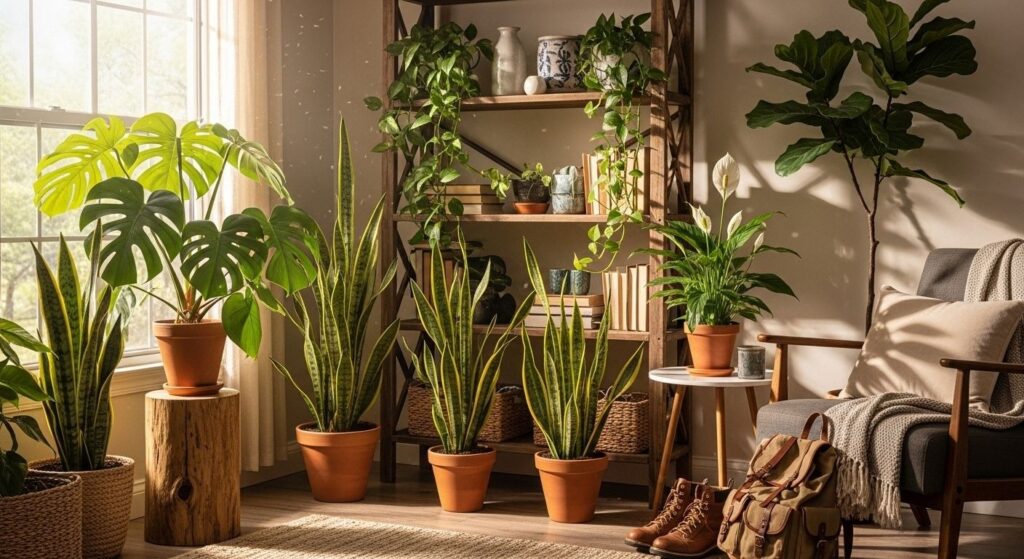
Why Indoor Plants Matter (Especially for Outdoor People)
Indoor plants aren’t just decoration—they’re functional, living organisms that actively improve your environment and well-being.
For those of us who spend weekends hiking, camping, or exploring wild places, coming home to a concrete box can feel suffocating. Indoor plants bridge that gap. They provide a daily connection to nature when you can’t get to the mountains or forest. They remind you that life doesn’t stop just because you’re inside.
The science backs this up too. NASA’s Clean Air Study found that certain indoor plants actively filter toxins from the air, removing formaldehyde, benzene, and other pollutants that off-gas from furniture, paint, and building materials. Plants increase humidity, which helps with dry indoor air—especially valuable in winter when heating systems suck moisture out of everything.
Beyond physical benefits, the mental health impact is real. Studies show that being around plants reduces stress, improves focus, and boosts mood. It’s not just psychological—there’s actual physiological change. Blood pressure drops, cortisol levels decrease, and cognitive function improves when you’re surrounded by greenery.
Plus, caring for plants gives you something tangible to nurture. It’s the same satisfaction you get from maintaining gear, planning routes, or mastering outdoor skills. You’re responsible for keeping something alive, and watching it thrive under your care is genuinely rewarding.
Choosing Your First Indoor Plants: Start Easy
The biggest mistake beginners make is choosing high-maintenance, finicky plants that die within weeks. Start with bulletproof options that tolerate neglect and forgive mistakes.
Pothos (Devil’s Ivy): The Indestructible Trailing Plant
Pothos is the first plant I recommend to everyone. It tolerates low light, survives irregular watering, and grows fast enough to be satisfying. The trailing vines look amazing cascading from shelves or hanging baskets.
Pothos thrives in almost any light condition short of total darkness, though it grows faster in brighter indirect light. Water when the soil is dry an inch down—usually once a week. If you forget for two weeks, it’ll forgive you. Yellow leaves mean overwatering; brown, crispy tips mean underwatering or low humidity.
I keep pothos in every room. They’re my go-to for filling empty corners and adding instant green to boring spaces. Use hanging plant hooks to display them at different heights for visual interest.
Snake Plant (Sansevieria): The Ultimate Low-Maintenance Plant
Snake plants are nearly indestructible. They tolerate low light, need minimal water, and actively filter air toxins. They’re the plant equivalent of a reliable multi-tool—always there when you need them, never demanding attention.
Water snake plants every 2-3 weeks, even less in winter. They prefer to dry out completely between waterings. Overwatering is the only real way to kill them—root rot from soggy soil is their kryptonite. They thrive in any light from low to bright, making them perfect for offices, bedrooms, or dim corners.
Spider Plant: Easy, Productive, and Air-Purifying
Spider plants produce adorable little plantlets on long stems that you can propagate into new plants—free plants that you can share with friends or expand your collection. They’re hard to kill and tolerate a wide range of conditions.
They prefer bright, indirect light but adapt to lower light. Water when the top inch of soil is dry. Brown tips usually indicate fluoride or chlorine in tap water—let water sit overnight before using, or switch to filtered water. Spider plants look fantastic in hanging plant baskets, with the plantlets cascading like a green waterfall.
ZZ Plant (Zamioculcas zamiifolia): The Drought-Tolerant Survivor
ZZ plants have thick, waxy leaves that store water, allowing them to survive long periods without watering. They’re perfect for frequent travelers or forgetful waterers. They tolerate low light and are virtually pest-free.
Water ZZ plants every 2-3 weeks, allowing soil to dry completely between waterings. They grow slowly, which means they stay manageable and don’t outgrow their space quickly. The glossy, architectural leaves add a modern, sculptural element to any room.
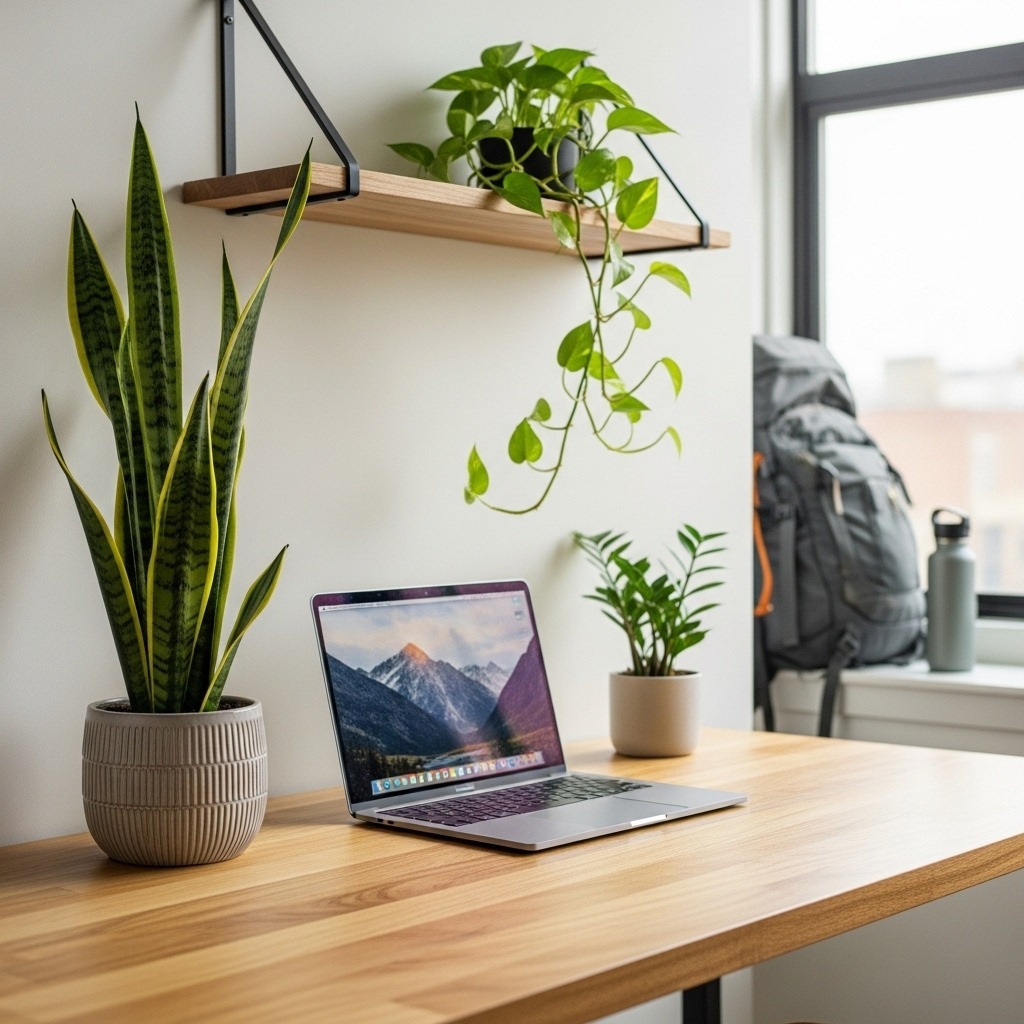
Understanding Light Requirements
Light is the single most important factor for indoor plant success. Getting this right means the difference between thriving plants and slow decline.
Bright, Indirect Light
This is what most tropical plants prefer. It’s the light near a window that doesn’t include direct sun rays hitting the plant. South and west-facing windows provide the brightest indirect light. East-facing windows offer gentler morning sun that many plants enjoy.
Plants that thrive in bright, indirect light include monstera, pothos, philodendrons, peace lilies, and most flowering plants. If you have a bright room, you have the most options.
Medium Light
Medium light is what you get a few feet away from a bright window or in rooms with smaller windows. Many popular houseplants tolerate medium light, though growth slows compared to brighter conditions. Pothos, snake plants, ZZ plants, and spider plants all handle medium light well.
Low Light
True low light is dim—think interior rooms without windows, or corners far from any light source. Very few plants actually thrive in low light, but some tolerate it. Snake plants, ZZ plants, pothos, and cast iron plants are your best bets.
If you’re working with low light, consider supplementing with an indoor-plant LED grow light. These consume minimal electricity and make a huge difference for plant health.
How to Test Your Light
Put your hand between the plant and the light source. If your hand casts a sharp, defined shadow, that’s bright light. A soft, fuzzy shadow indicates medium light. Barely visible or no shadow means low light.
Observe your space throughout the day. Light changes seasonally too—winter light is weaker than summer light, and deciduous trees outside windows affect indoor light dramatically.
Watering: The Number One Killer of Indoor Plants
More indoor plants die from overwatering than any other cause. Well-meaning plant parents drown their plants with kindness, causing root rot and fungal problems.
The Golden Rule: Check Before You Water
Never water on a schedule. Check soil moisture by sticking your finger an inch or two into the soil. If it’s dry, water. If it’s moist, wait. Different plants, pot sizes, and environmental conditions affect water needs dramatically.
A soil pH/moisture meter removes guesswork. Stick it in the soil, and it tells you exactly when to water. It’s especially helpful when you’re learning or managing multiple plants with different needs.
How to Water Properly
When you water, water thoroughly until it drains from the bottom of the pot. This ensures the entire root system gets moisture and flushes out accumulated salts. Empty the drainage saucer after 15 minutes so plants aren’t sitting in standing water.
Use room-temperature water. Cold water shocks roots, especially for tropical plants. If your tap water is heavily chlorinated, let it sit overnight before using, or use filtered water.
Signs of Overwatering vs. Underwatering
Overwatering symptoms:
- Yellowing leaves, especially lower leaves
- Soft, mushy stems
- Moldy soil surface
- Fungus gnats (tiny flies around the plant)
- Root rot (brown, mushy roots)
Underwatering symptoms:
- Wilting, drooping leaves
- Brown, crispy leaf edges
- Dry, pulling-away-from-pot soil
- Slow growth
- Leaf drop
Most plants recover from underwatering more easily than overwatering. When in doubt, wait an extra day before watering.
Choosing Containers and Soil
Container choice impacts plant health more than most people realize.
Drainage Is Essential
Every plant container needs drainage holes. Without them, excess water pools at the bottom, creating anaerobic conditions that kill roots. If you find a beautiful pot without holes, use it as a decorative outer pot and keep your plant in a plain nursery pot inside it.
Decorative ceramic plant pots with drainage holes offer both function and aesthetics. Choose sizes that allow 1-2 inches of space around the current root ball—you don’t want containers that are too large, as excess soil stays wet and promotes root rot.
Potting Mix Matters
Don’t use garden soil for indoor plants. It’s too dense, compacts in containers, and may contain pests or diseases. Use quality potting mix formulated for indoor plants. It’s lightweight, well-draining, and contains nutrients to support growth.
For cacti and succulents, use specialized cactus mix or add extra perlite to regular potting mix for faster drainage. For moisture-loving plants like ferns, add peat moss or coconut coir to retain more water.
Self-Watering Planters for Travelers
If you travel frequently for outdoor adventures, self-watering planters are game-changers. They have built-in water reservoirs that keep plants hydrated for days or weeks without attention. They’re perfect for maintaining your indoor jungle while you’re off camping or backpacking.
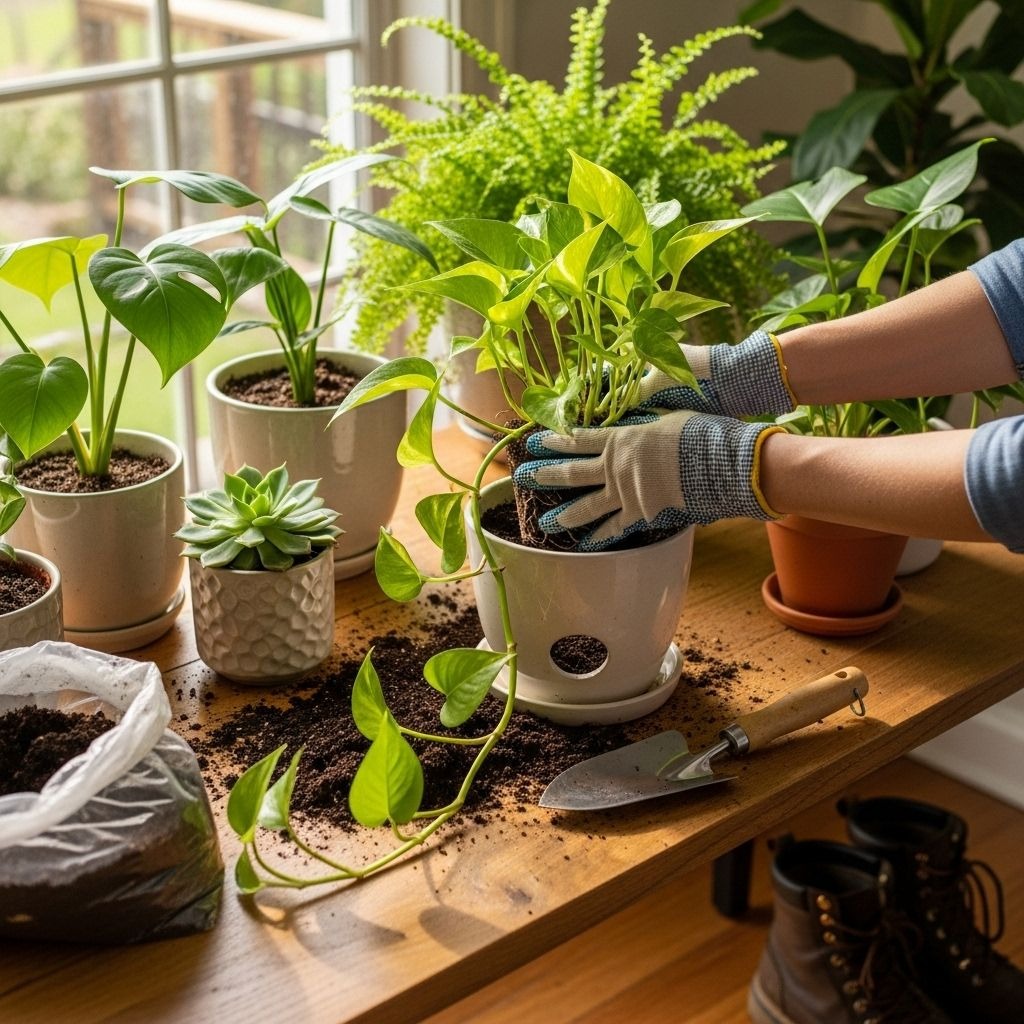
Feeding Your Plants
Indoor plants need supplemental nutrients since they’re growing in finite soil volume.
Most potting mixes contain starter fertilizer that lasts 2-3 months. After that, you’ll need to feed regularly during the growing season (spring through early fall). Use a balanced liquid fertilizer diluted to half-strength every 2-4 weeks.
Organic fertilizer options like compost tea or worm castings work excellently and improve long-term soil health. Avoid over-fertilizing—it causes salt buildup and can burn roots. Yellow leaves with green veins often indicate nutrient deficiency, while brown, crispy tips can signal fertilizer burn.
Reduce or stop fertilizing in winter when most plants enter dormancy and growth slows dramatically.
Best Indoor Plants for Different Situations
For Low-Light Spaces
- Snake Plant – tolerates near-darkness
- ZZ Plant – thrives in dim corners
- Pothos – survives low light (though grows slowly)
- Cast Iron Plant – named for its toughness
- Dracaena – various varieties tolerate shade
For Bright, Sunny Spots
- Fiddle Leaf Fig – dramatic, architectural focal point
- Rubber Plant – glossy leaves, easy care
- Monstera – trendy split leaves, fast-growing
- Jade Plant – succulent that tolerates neglect
- Bird of Paradise – tropical statement plant
For Bathrooms (High Humidity)
- Boston Fern – loves humidity
- Peace Lily – tolerates low light and moisture
- Orchids – thrive in bathroom conditions
- Air Plants – no soil needed, absorb moisture from air
For Bedrooms (Air Purifying)
- Snake Plant – releases oxygen at night
- Peace Lily – filters multiple air toxins
- Spider Plant – removes formaldehyde
- Aloe Vera – releases oxygen, medicinal uses
For Pet-Safe Homes
- Spider Plant – non-toxic to cats and dogs
- Boston Fern – safe for curious pets
- Parlor Palm – pet-friendly, elegant
- Prayer Plant – safe and beautiful foliage
Research any plant before bringing it home if you have pets. Many common houseplants are toxic if ingested.
Creating Your Indoor Jungle
Once you’ve mastered a few basic plants, it’s time to level up and create a proper indoor garden.
Vertical Gardening with Plant Stands
Indoor plant stands create vertical displays that maximize space and add visual interest. Tiered stands let you group plants with similar needs while showcasing different sizes and textures.
Position taller plants in the back, medium plants in the middle, and trailing plants at the front or edges where they can cascade. This creates depth and makes even a small collection look impressive.
Propagation: Free Plants Forever
Many indoor plants propagate easily from cuttings, giving you free plants to expand your collection or share with friends. Pothos, philodendrons, spider plants, and succulents all root readily in water or soil.
Use a plant propagation station to display cuttings while they develop roots—it’s functional and looks beautiful on a windowsill.
Seasonal Care Adjustments
Indoor plants have seasons too. Growth slows or stops in winter when light levels drop and temperatures cool. Reduce watering frequency and stop fertilizing during dormancy. Resume regular care in spring when you notice new growth.
Rotate plants regularly so all sides receive equal light and growth stays balanced. Dust leaves monthly to keep pores clear and maximize photosynthesis—use a damp cloth or give plants a gentle shower.
Common Problems and Solutions
Yellow Leaves
Most often caused by overwatering. Check soil moisture and reduce watering frequency. Can also indicate nutrient deficiency if older, lower leaves turn yellow while new growth stays green.
Brown Leaf Tips
Usually caused by low humidity, fluoride in tap water, or underwatering. Increase humidity with a watering spray mister, switch to filtered water, or adjust watering schedule.
Leggy Growth
Indicates insufficient light. Plants stretch toward light sources, producing weak, spindly growth. Move plants closer to windows or supplement with grow lights.
Pests (Fungus Gnats, Spider Mites, Mealybugs)
Isolate affected plants immediately. For fungus gnats, let soil dry out more between waterings. For spider mites and mealybugs, wipe leaves with soapy water or use neem oil spray. Check plants regularly to catch problems early.
Dropping Leaves
Can indicate several issues: underwatering, overwatering, temperature shock, or normal adjustment to new conditions. Assess watering habits first, ensure stable temperatures, and give new plants time to acclimate.
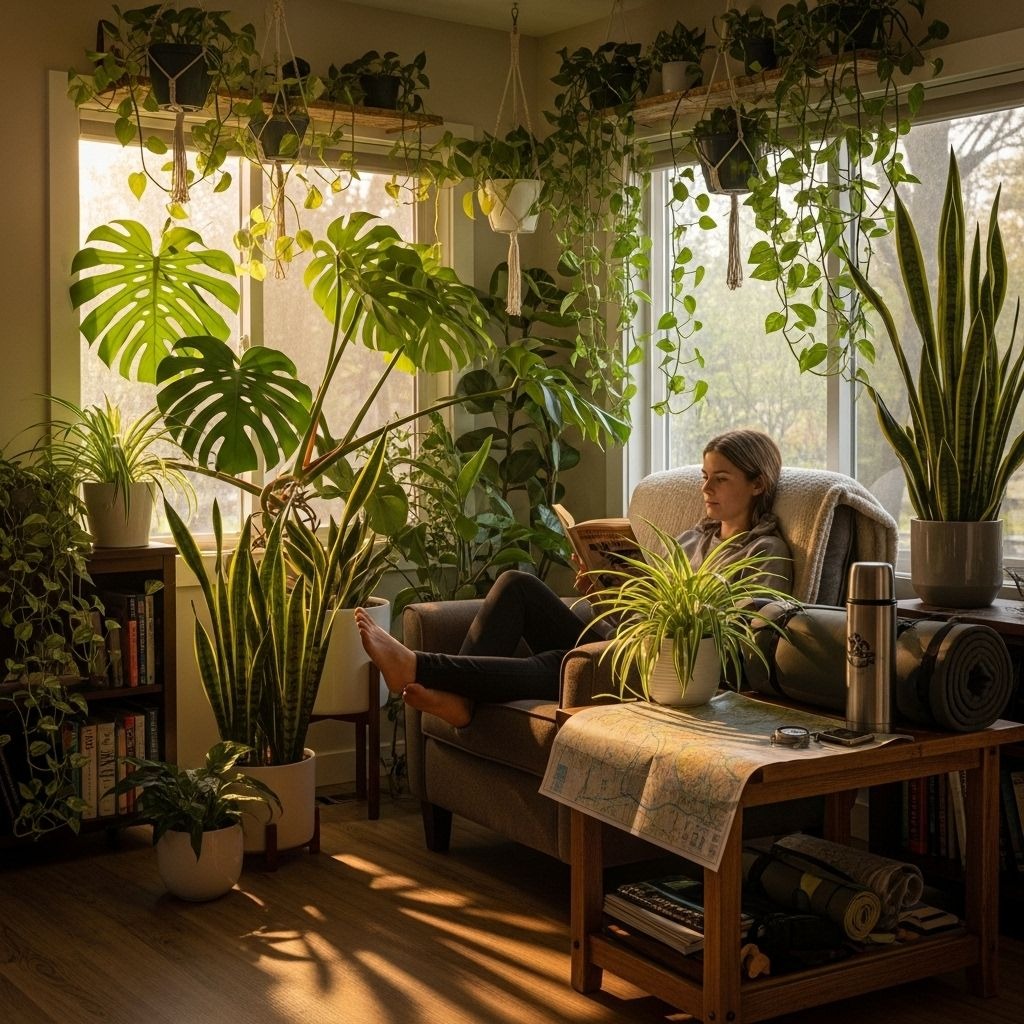
Advanced Indoor Gardening
Hydroponic Indoor Systems
Compact hydroponic kits and hydroponic nutrient solutions let you grow herbs and vegetables indoors year-round without soil. They’re perfect for growing fresh basil, cilantro, and lettuce to supplement your camping meals even in winter.
Grow Tents for Serious Collectors
Grow tents with controlled lighting and humidity create perfect conditions for rare or finicky plants. They’re also excellent for starting seeds or propagating cuttings.
Creating a Green Wall
Vertical gardens or living walls make dramatic statements and maximize growing space in small apartments. Use hanging plant baskets and wall-mounted planters to create layered green displays that bring the outdoors fully inside.
Making It Work for Your Lifestyle
The key to successful indoor plant keeping is choosing plants that match your lifestyle, not trying to change your lifestyle to accommodate high-maintenance plants.
Travel often? Stick with drought-tolerant plants like snake plants, ZZ plants, and succulents. Invest in self-watering containers and ask a friend to check on them during extended trips.
Forget to water? Choose forgiving plants that tolerate neglect. Avoid ferns and moisture-loving plants that need consistent care.
Limited light? Embrace low-light champions and supplement with grow lights if needed.
Small space? Focus on compact plants or vertical displays that maximize limited square footage.
The beauty of indoor plants is their flexibility. There’s a perfect plant for every situation, every space, and every person—even those of us who spend more time planning our next hiking trip than tending houseplants.
FAQs
Q: How many plants should I start with as a beginner?
Start with 2-3 easy plants like pothos, snake plant, or spider plant. Learn their needs and rhythms before expanding your collection. It’s better to keep a few plants thriving than to overwhelm yourself with a dozen struggling plants. Once you’re comfortable with basic care, gradually add more based on your available time and space.
Q: Can indoor plants really purify air effectively?
Yes, but with realistic expectations. NASA’s study showed certain plants filter specific toxins from air, but you’d need many plants (roughly one per 100 square feet) to make a measurable impact. The real benefits are increased humidity, oxygen production, and psychological well-being. Don’t rely solely on plants for air quality—proper ventilation matters more.
Q: What should I do with my plants when I’m gone for 1-2 weeks?
Water thoroughly before leaving, group plants together to increase humidity, move them away from bright windows to slow water consumption, and use self-watering containers or watering globes. For trips longer than two weeks, ask a friend to check on them or invest in automatic watering systems. Most hardy plants like pothos and snake plants survive 1-2 weeks without attention.
Q: Why do my plants look great at the store but struggle at home?
Nurseries provide ideal conditions: perfect light, humidity, temperature, and care. Your home is different. Plants need time to acclimate—expect some leaf drop or stress initially. Choose plants suited to your actual conditions rather than trying to recreate greenhouse environments. Don’t repot immediately; let plants adjust first.
Q: Are expensive fancy pots worth it for plant health?
No—plants don’t care about aesthetics. Function matters: drainage holes and appropriate size. That said, beautiful pots increase your enjoyment and make you more likely to engage with your plants. Use decorative pots as outer cachepots with plain nursery pots inside, giving you both function and beauty.