
I used to think my 10-foot ceilings were a design asset—soaring height that made my apartment feel spacious and airy. Instead, they just made my furniture look tiny and my walls feel empty. No amount of artwork or shelving could fill that vertical void. Then I visited a friend’s loft downtown, and everything clicked. A magnificent fiddle leaf fig stretched nearly to her ceiling, a bird of paradise commanded an entire corner, and suddenly her similarly tall space felt proportioned, grounded, and absolutely stunning. “You need to think vertically,” she told me while watering her towering rubber plant.
That advice changed my entire approach to interior design. Within six months, I’d transformed my awkwardly tall apartment into a layered, jungle-inspired sanctuary where tall indoor plants anchored each room and filled previously wasted vertical space. Friends started asking if I’d hired an interior designer. My Instagram engagement tripled when I posted my plant-filled living room. Most importantly, I finally felt comfortable in my own home.
If you’re struggling with high ceilings, empty corners, or just want to make a bold design statement, tall indoor plants offer solutions that no furniture or decor can match. These aren’t your average houseplants—they’re architectural elements that define spaces, create focal points, and bring life to otherwise dead zones in your home.
Why Tall Indoor Plants Make Such Powerful Statements
Tall indoor plants fundamentally change how we perceive interior spaces. They draw the eye upward, emphasizing ceiling height while simultaneously making rooms feel more proportioned and less cavernous. This paradox—making tall spaces feel both taller and more intimate—creates the magic that smaller plants simply cannot achieve.
The vertical presence of tall plants creates natural room dividers without walls. My bird of paradise separates my living area from my dining space, defining zones while maintaining open sightlines and airflow. This works brilliantly in studios, lofts, or open-concept homes where traditional walls would feel claustrophobic but completely open layouts lack structure.
Tall plants also soften architectural elements that might otherwise feel harsh or industrial. Those exposed beams, steel columns, or stark white walls that looked so appealing in listing photos? They can feel cold and uninviting in person. Strategic placement of tall plants with broad leaves or cascading fronds humanizes these spaces, adding organic warmth and movement that makes modern architecture feel livable.
From a practical standpoint, tall indoor plants often require less frequent care than collections of smaller plants. One large specimen needs watering, fertilizing, and attention, versus dozens of small plants demanding individual care. I’ve actually reduced my plant maintenance time by consolidating smaller varieties and investing in several statement-tall plants instead.
The psychological impact shouldn’t be underestimated either. Research consistently shows that interior plants reduce stress, improve air quality, and boost mood. Tall plants amplify these benefits through sheer presence and visual impact. Walking into a room with a stunning 8-foot rubber plant or towering palm creates an immediate sense of entering a special, cared-for space rather than just another apartment.
The Best Tall Indoor Plants for Dramatic Impact
After growing, killing, and successfully maintaining various tall plants over the past few years, I’ve identified the varieties that consistently deliver stunning results without requiring expert-level care.
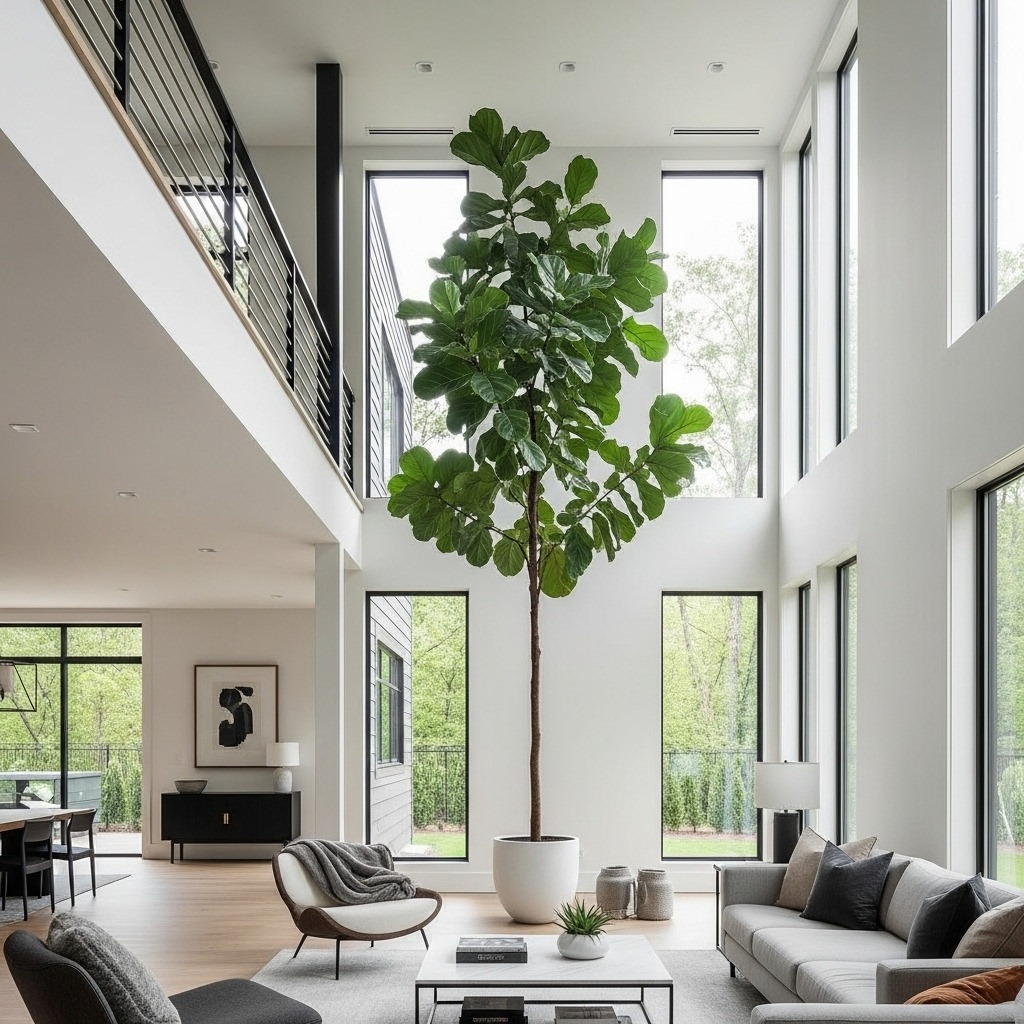
Fiddle Leaf Fig stands as the undisputed champion of tall statement plants. Those enormous, violin-shaped leaves create instant drama and elegance. Mine started at 3 feet tall and now towers at 7 feet, commanding attention from anyone entering my living room. Fiddle leaf figs grow naturally tall in their native environment, and with proper care, they’ll reach 6-10 feet indoors.
I’ll be honest about fiddle leaf fig challenges—they’re particular about consistency. They hate being moved, despise drafts, and drop leaves dramatically when unhappy. However, once you establish a routine and find the right spot, they’re actually quite manageable. Mine receives bright, indirect light from my west-facing windows, filtered through sheer curtains. I water thoroughly once weekly during growing season, checking that the top 2-3 inches of soil feel dry first.
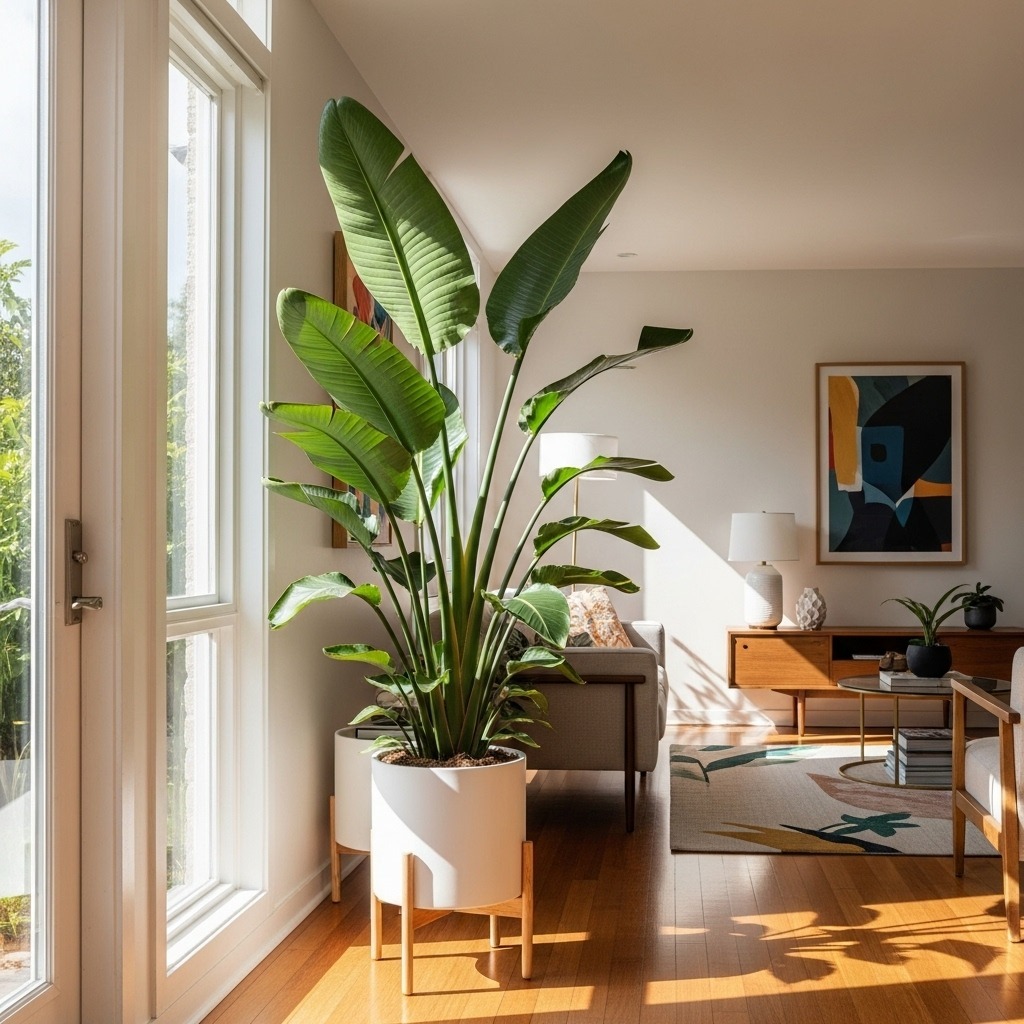
Bird of Paradise brings instant tropical vibes with those massive paddle-shaped leaves. My bird of paradise reaches 8 feet tall, creating a stunning corner focal point that photographs like a dream. These plants grow relatively quickly compared to fiddle leaf figs, putting out new leaves regularly during the growing season.
Bird of paradise plants need space—those leaves spread wide and cannot be constrained without damage. Plan for a 3-4 foot diameter footprint at maturity. They appreciate bright light and can actually tolerate some direct sun, unlike many indoor plants. Water when the top inch of soil feels dry, which typically means every 5-7 days during summer.
Rubber Plant offers glossy, architectural foliage in varieties ranging from deep burgundy to variegated pink and cream. These grow vigorously under the right conditions, easily reaching 6-8 feet indoors. My burgundy rubber plant started as a 2-foot specimen three years ago and now stands nearly 7 feet tall with a thick, substantial trunk.
Rubber plants adapt to various light conditions more readily than fiddle leaf figs, though they grow fastest in bright, indirect light. They prefer slightly drier conditions—I water mine every 7-10 days, allowing soil to dry between waterings. The aesthetic appeal extends beyond height. Those thick, glossy leaves catch light beautifully, creating reflective surfaces that brighten spaces.
Dracaena Varieties encompass numerous tall-growing species perfect for indoor cultivation. Dracaena marginata grows narrow and upright with spiky foliage, perfect for tight corners. Dracaena fragrans produces broad leaves along thick stems. Both varieties easily reach 6-8 feet indoors with minimal care.
I particularly love dracaenas for their low-light tolerance. While they grow more vigorously in brighter conditions, they survive and even thrive in corners that would kill most other tall plants. Water dracaenas when the top half of soil feels dry—typically every 10-14 days. They’re remarkably drought-tolerant and actually prefer being slightly neglected rather than overwatered.
Money Tree brings good fortune symbolism along with attractive braided trunks and palm-like leaves. These grow 6-8 feet tall indoors, creating tropical vibes without the humidity demands of true tropical plants. My money tree anchors my bedroom corner, providing dramatic height while tolerating the lower light conditions bedrooms typically offer.
Parlor Palm and Kentia Palm both make excellent tall indoor plants for those seeking classic palm aesthetics. Parlor palms max out around 6 feet indoors, while kentia palms can reach 8-10 feet given time and space. Both varieties tolerate low light better than most palms and forgive inconsistent watering.
I keep a kentia palm in my home office where it creates a vacation-worthy backdrop for video calls. The gracefully arching fronds soften the hard edges of desks and electronics while requiring almost no maintenance beyond weekly watering. These palms grow slowly but steadily, adding 4-8 inches of height annually once established.
Choosing the Right Location for Tall Plants
Positioning tall plants correctly makes the difference between stunning focal points and awkward space-wasters. I’ve learned these lessons through trial and error—and one very expensive fiddle leaf fig that died from poor placement.
Corner placement works brilliantly for most tall plants. Empty corners feel awkward and wasted in interior design, but a stunning 8-foot plant transforms them into intentional focal points. I position my tallest specimens in corners where they anchor rooms without obstructing traffic flow or sightlines.
Light assessment must happen before you choose plants or positions. I spent an entire day tracking sun patterns through my apartment, noting which areas received direct sun, bright indirect light, medium light, or low light at different times of day. This mapping exercise proved invaluable for plant placement decisions.
South-facing windows provide intense, direct light perfect for light-hungry plants like bird of paradise but potentially too harsh for fiddle leaf figs. East-facing windows offer gentle morning sun ideal for most tall plants. West-facing windows provide bright indirect light most of the day with some direct afternoon sun. North-facing windows supply consistent but dimmer light suitable only for low-light tolerant varieties like dracaenas and palms.
Traffic flow considerations prevent daily plant collisions. Tall plants need several feet of clearance to accommodate leaf spread. My initial placement put a bird of paradise too close to my main walkway, and I constantly bumped into leaves passing by. Moving it 18 inches solved the problem completely.
Ceiling clearance matters more than you might think. Plants will continue growing, and trimming tall specimens back dramatically often ruins their aesthetic appeal. I maintain 12-18 inches between my tallest plants and ceilings, allowing room for new growth without constant pruning.
Room divider placement creates functional zones in open layouts. My bird of paradise separates living and dining areas, providing visual division without blocking light or closing off spaces. This works beautifully in studios where traditional walls would feel cramped.
Essential Care for Healthy Tall Plants
Maintaining tall indoor plants requires some different approaches than caring for smaller varieties. The scale demands adjustments to watering, feeding, and maintenance routines.
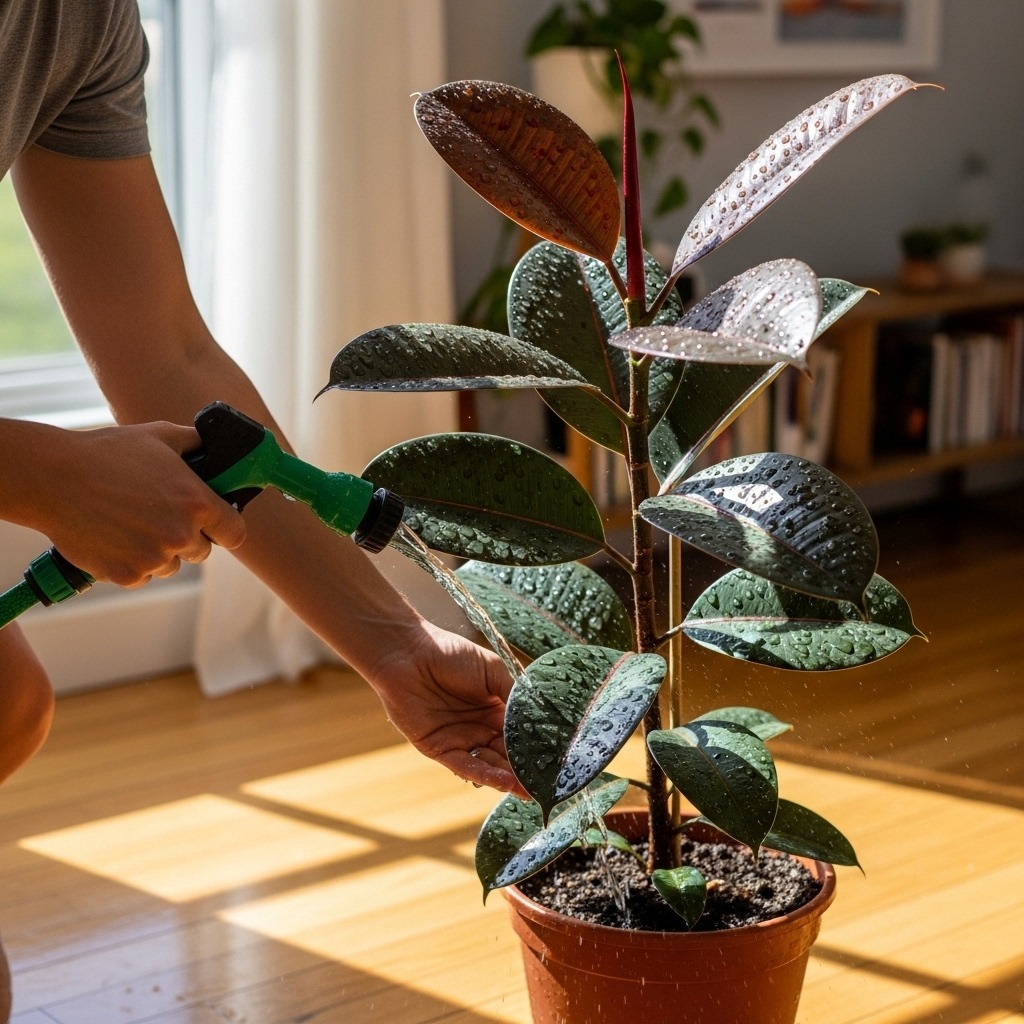
Watering tall plants presents logistical challenges. Carrying watering cans to 8-foot plants isn’t practical, and water inevitably spills during the process. I use a garden watering hose attached to my kitchen sink with an adjustable spray nozzle. This setup allows thorough watering without hauling heavy containers across my apartment.
The amount of water tall plants need surprises many people. My 7-foot fiddle leaf fig in a 15-gallon pot requires approximately 2-3 gallons of water per thorough watering. I water slowly, allowing soil to absorb moisture rather than rushing through drainage holes.
Frequency depends on numerous factors—plant type, pot size, soil composition, light levels, temperature, and humidity. I check soil moisture before every watering using the finger test for smaller plants or a soil pH and moisture meter for large specimens where reaching deep into soil is impractical.
Fertilizing tall plants supports their substantial growth and large leaf production. During the growing season, I fertilize monthly with diluted liquid organic fertilizer mixed into watering. The diluted approach prevents fertilizer burn while ensuring consistent nutrition.
Rotating plants prevents lopsided growth as plants lean toward light sources. This becomes more critical with tall plants since any lean appears more dramatic at height. I rotate my plants 90 degrees every 2-3 weeks, ensuring even light exposure on all sides.
Dusting leaves improves both aesthetics and plant health. Dust blocks light absorption and makes plants look dull in photos. For large-leafed plants like fiddle leaf figs and bird of paradise, I wipe leaves individually with a damp microfiber cloth weekly.
Pruning tall plants maintains manageable size and attractive shapes. I prune conservatively, removing only dead or damaged leaves and occasional wayward branches. Most tall plants naturally develop pleasing shapes with minimal intervention.
Repotting becomes increasingly challenging as plants grow. My largest plants now require two people to safely tip and remove from pots. I repot tall plants only when absolutely necessary—when roots circle tightly or growth slows dramatically despite adequate care.
Styling Tall Plants for Maximum Impact
Tall plants are natural focal points, but thoughtful styling elevates them from “nice plant” to “stunning design element.”
Planter selection becomes crucial at this scale. Cheap plastic pots undermine expensive plants, creating a disconnect between the specimen’s value and its presentation. I invest in substantial decorative ceramic plant pots that match my interior style and physically stabilize tall plants.
Proportions matter—tall, narrow plants like snake plants or dracaena marginata look best in taller, narrower pots that emphasize vertical lines. Wide, spreading plants like bird of paradise need substantial diameter pots that visually anchor their mass.
Plant stands and risers add drama and elevation. These indoor plant stands come in varying heights and styles, from simple wooden tripods to elaborate metal sculptures. Elevating plants creates even more vertical presence while protecting floors from water damage.
Complementary plants around tall specimens create layered, professional-looking arrangements. I cluster smaller plants around my tall plant bases, creating graduated height transitions. A 7-foot fiddle leaf fig with trailing pothos and snake plants at its base looks infinitely more styled than the same fig sitting alone.
Lighting dramatically enhances tall plants after dark. I position subtle uplights at the base of my tallest plants, casting dramatic shadows on walls and ceilings. Simple clip-on spotlights work beautifully for this purpose.
Negative space remains critical even with statement pieces. Resist the urge to fill every corner with tall plants. My apartment has two corners with towering specimens, one corner with a seating arrangement, and one corner left intentionally empty.
Problem-Solving Common Tall Plant Issues
Tall plants present unique challenges that smaller varieties don’t. Here’s how I address common problems before they become plant killers.
Leggy, sparse growth indicates insufficient light. Tall plants naturally direct energy toward height, but they should remain full and leafy throughout their structure. My rubber plant grew sparse and stretched when I initially positioned it too far from windows. Moving it to brighter light caused it to push new leaves more densely along its trunk.
Yellow leaves typically signal watering issues—either too much or too little. For tall plants in large pots, it’s often overwatering. That huge volume of soil stays wet longer than smaller pots, and roots sitting in saturated soil develop rot that manifests as yellowing leaves.
Leaf drop causes panic in plant parents but isn’t always disaster. Weeping figs naturally drop leaves when stressed, then recover. Older leaves on any plant yellow and drop as part of normal aging. However, sudden, dramatic leaf drop signals serious problems—usually from moving plants, temperature shock, or severe underwatering.
Pests can hide more easily in tall plants’ dense foliage. I regularly inspect my plants, especially undersides of leaves where pests like to hide. Spider mites, scale, and mealybugs occasionally appear but are easily addressed when caught early.
Top-heavy instability threatens tall plants, especially when they’re actively growing. My bird of paradise nearly toppled when several new leaves unfurled on one side, shifting its center of gravity. I staked it temporarily with a bamboo pole hidden within the foliage, then added rocks to the pot bottom for permanent ballast.
Budget-Friendly Approaches to Tall Plants
Tall indoor plants often carry hefty price tags—a 6-foot fiddle leaf fig can cost $150-300 at garden centers. However, multiple strategies allow you to create stunning tall plant displays on modest budgets.
Buy small and grow patiently. That $200 tall plant started as a $20 small plant years ago. I’ve purchased 1-foot rubber plants for $15 and grown them into 6-foot specimens over three years. The patience required is substantial, but the savings and sense of accomplishment are real.
Propagate from friends. Many tall plants grow from cuttings that root easily. Rubber plants, dracaenas, and some palms can be propagated successfully. I’ve obtained numerous free plants by asking friends for cuttings from their established specimens.
Shop home improvement stores rather than specialty nurseries. Big box stores stock common varieties like rubber plants, dracaenas, and palms at fraction of boutique prices. Quality varies, but with careful selection, you’ll find healthy specimens needing only time to reach statement-plant size.
Focus on fast-growers if patience isn’t your strength. Rubber plants grow quickly under good conditions. Bird of paradise adds substantial height annually. Palms grow more slowly but steadily. Fiddle leaf figs grow frustratingly slowly—budget accordingly if you want instant impact.
Invest strategically in one or two tall statement plants while filling other areas with smaller, inexpensive varieties. This creates immediate visual impact without breaking your budget. My apartment features one expensive large fiddle leaf fig, one mid-price bird of paradise, and dozens of small, inexpensive pothos, snake plants, and succulents.
This strategic approach mirrors outdoor adventure planning—invest in key pieces while finding budget options for supporting gear, similar to selecting the best camping table of 2025 where you prioritize quality where it matters most.
FAQ: Your Tall Indoor Plant Questions Answered
What’s the easiest tall indoor plant for beginners?
Rubber plants top my list for beginner-friendly tall plants. They tolerate varying light conditions from bright indirect to medium light, forgive inconsistent watering better than fiddle leaf figs, and grow vigorously under decent care. Rubber plants also signal care needs clearly—drooping leaves mean water needed, then perk up within hours of watering. Dracaena varieties run a close second, offering even greater tolerance for neglect and low-light conditions, though they grow more slowly than rubber plants.
How long does it take to grow a tall indoor plant?
This depends entirely on the species and starting size. Fast-growing plants like rubber plants or monsteras can gain 12-24 inches annually under good conditions, reaching 6-7 feet in 3-4 years from small starts. Bird of paradise grows similarly fast. Fiddle leaf figs grow more slowly, adding perhaps 6-12 inches yearly, requiring 5-7 years to reach statement height from small plants. Most people find buying mid-sized plants offers the best balance between immediate impact and reasonable cost, then growing them to ceiling height over 2-3 years.
Do tall plants need bigger pots than their height suggests?
Pot size relates more to root mass than plant height, though the two correlate. Generally, pot diameter should be about one-third the plant’s height for pleasing proportions and adequate root space. A 6-foot plant typically needs a 15-20 inch diameter pot. However, this varies by species—plants with compact root systems like snake plants need proportionally smaller pots than plants with extensive roots like bird of paradise.
Can you keep tall plants in apartments with 8-foot ceilings?
Absolutely, though you’ll need to choose carefully and maintain plants at manageable heights. Look for naturally compact varieties or those that tolerate pruning well. Rubber plants, dracaenas, and many palms can be maintained at 6-7 feet through selective pruning, leaving adequate ceiling clearance. I successfully maintain plants at 7-8 feet through occasional pruning and choosing slower-growing varieties.
Are tall indoor plants safe for pets and children?
This depends entirely on the specific plant species. Many popular tall plants contain toxins harmful if ingested by pets or children. Fiddle leaf figs, rubber plants, and many palms are toxic to cats and dogs. However, some tall plants like kentia palms, parlor palms, and spider plants are non-toxic and safe for homes with curious pets or children. Research specific plants before purchasing if safety concerns exist.
Tall indoor plants have fundamentally transformed how I experience my living space. That conversation with my friend about thinking vertically set me on a path that continues delivering daily joy and genuine pride in my home. Walking into rooms anchored by stunning 8-foot specimens feels dramatically different than the empty, awkward spaces I lived with before.
You don’t need a mansion, unlimited budget, or expert skills to create dramatic tall plant displays. Start with one appropriate specimen for your light conditions and available space. Learn its specific needs through observation and adjustment. As confidence grows, add additional tall plants strategically throughout your home. The plants will teach you what they need—just pay attention and respond. Before long, you’ll be the friend others visit for plant inspiration, sharing advice and possibly cuttings with the next generation of tall plant enthusiasts.