
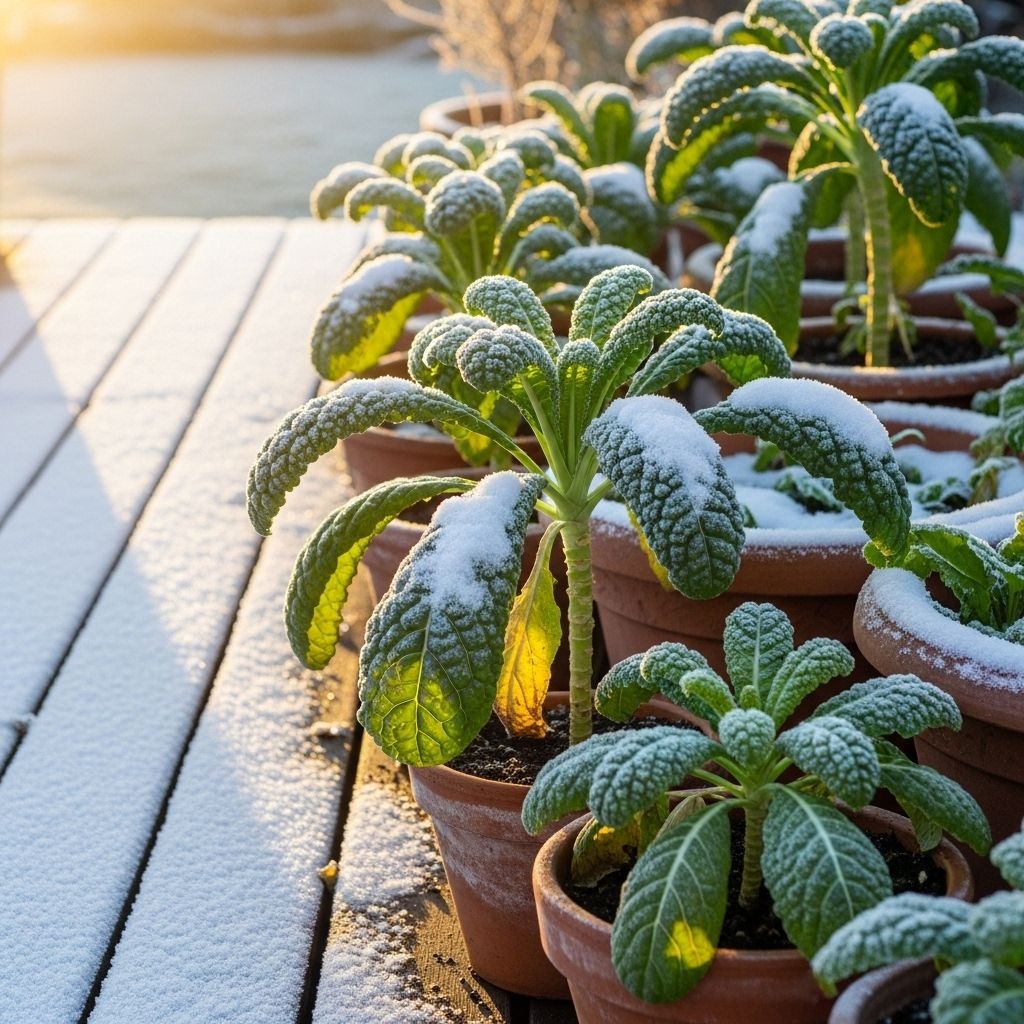
I’ll never forget the morning I trudged through six inches of snow to my back patio, convinced my little container garden experiment had completely failed. It was mid-January, freezing cold, and I expected to find nothing but brown, lifeless stalks. Instead, I pulled back a protective layer of mulch to discover vibrant kale leaves practically begging to be harvested. That’s when I realized: winter container gardening isn’t just possible—it’s one of the most rewarding ways to keep growing fresh food when everyone else has packed away their gardening gloves.
Whether you’re working with a tiny apartment balcony or just want to extend your growing season beyond summer, winter container gardening opens up possibilities you probably didn’t think existed. You don’t need a greenhouse, fancy equipment, or even much outdoor space. What you do need is the right approach, suitable plants, and a willingness to rethink what “gardening season” really means.
Why Winter Container Gardening Actually Works
Here’s something most people don’t realize: many vegetables actually prefer cooler temperatures. While your neighbors are dreaming about spring planting, you can be harvesting fresh greens that taste sweeter after a light frost. Winter container gardening succeeds because you’re working with nature, not against it.
The key is understanding that winter gardening isn’t about forcing summer crops to survive cold weather. It’s about choosing cold-hardy vegetables that thrive when temperatures drop. Plants like kale, Swiss chard, and certain lettuces don’t just tolerate winter—they produce their best flavor during these months.
Container growing offers specific advantages during winter. You control the soil quality, can move plants to sheltered locations during extreme weather, and protect roots from the freeze-thaw cycles that damage in-ground gardens. Plus, containers on patios or near doorways benefit from reflected heat from your home’s foundation, creating microclimates several degrees warmer than the surrounding air.
The science behind cold-hardy vegetables is fascinating. When temperatures drop, these plants convert starches into sugars as a natural antifreeze mechanism. This biochemical process is exactly why your winter kale tastes sweeter than summer kale—you’re literally tasting the plant’s survival strategy. The same principle applies to carrots, parsnips, and Brussels sprouts, which become remarkably sweet after experiencing several hard frosts.
The Best Vegetables for Winter Container Growing
Not every vegetable can handle winter conditions, but plenty of cold-hardy options will surprise you with their resilience. Through trial and error (mostly error my first season), I’ve learned which vegetables consistently deliver fresh harvests even when temperatures plummet.
Kale tops my list every single time. This superfood vegetable actually becomes sweeter after several hard frosts. I grow both standard curly kale and flowering varieties in 8-inch pots, and they produce continuously from fall through early spring. The flowering types look absolutely stunning with their creamy white or purple centers—almost too pretty to eat, but I harvest them anyway because they taste incredible. Varieties like ‘Winterbor’ and ‘Red Russian’ are specifically bred for cold tolerance and can survive temperatures well below 20°F.
Swiss chard is my second must-grow winter vegetable. It’s remarkably forgiving and produces abundantly in containers as small as 8 inches. I started nine chard plants last August, and my family has enjoyed fresh greens at least once weekly throughout winter. Even when leaves get smaller by February, the baby shoots are actually more tender than earlier harvests. The colorful stems—bright red, golden yellow, or rainbow-striped—add visual interest to an otherwise dormant winter landscape.
Winter lettuces like Bibb and loose-leaf varieties work beautifully in shallow 6-inch containers. They won’t survive the absolute coldest temperatures unprotected, but with minimal covering during hard freezes, you can harvest fresh salads well into January. Varieties labeled “winter density” or “arctic king” offer superior cold tolerance compared to standard summer lettuces.
Root vegetables like carrots, beets, radishes, and turnips also adapt well to container life, as long as you provide pots deep enough for their roots to develop properly. I’ve had excellent success with shorter carrot varieties like ‘Paris Market’ and ‘Romeo’, which need only 6-8 inches of depth. These round, stubby carrots are perfectly suited for container growing and develop incredible sweetness after cold exposure.
Brussels sprouts require a longer growing season but reward patient gardeners with marble-sized sprouts that taste incredible after frost. Broccoli’s sprouting varieties produce small but delicious side shoots over extended periods. Both need larger 11-inch containers to accommodate their deeper root systems. If you’re planning outdoor cooking sessions during mild winter days, check out the best camping grill of 2025 for ideas on preparing your fresh harvest.
Spinach deserves special mention as an exceptional winter container crop. It’s one of the hardiest leafy greens, tolerating temperatures down to 15°F with minimal protection. Baby spinach leaves are ready to harvest in as little as 30 days, and plants continue producing throughout winter with successive leaf harvests. The compact growth habit makes spinach ideal for smaller containers and even windowsill growing.
Choosing the Right Containers and Soil
Container selection makes or breaks your winter gardening success. I learned this the hard way after my first ceramic pot cracked from freeze-thaw cycles. Now I stick with materials that can handle temperature fluctuations.
Plastic containers work exceptionally well for winter gardening. They’re lightweight (important when you might need to move them), retain moisture better than clay, and won’t crack in freezing temperatures. I prefer squared-off bottoms rather than rounded ones because they allow roots to spread more effectively and fit together efficiently when space is limited. These self-watering planters make maintenance even easier during busy winter months.
Fabric grow bags have become my secret weapon for winter container gardening. They’re inexpensive, provide excellent drainage and air pruning of roots, and can be folded flat for storage during off-season. The breathable fabric prevents waterlogging while still insulating roots better than you’d expect. I use these grow bags for everything from lettuce to deeper-rooted vegetables.
Size matters significantly for winter containers. Most leafy greens need at least 8-inch diameter pots, while deeper-rooted vegetables like broccoli require 11-inch containers. Root vegetables need depth—at least 10-12 inches to allow carrots and other roots to develop properly. Larger containers also provide better insulation for roots during temperature swings and don’t require watering as frequently.
Quality potting soil is worth the investment. I use commercial potting mix that drains well but retains enough moisture to support plant growth. Each 11-inch pot requires about 20 pounds of soil, while smaller 8-inch containers need less. The good news? You can reuse this soil season after season as long as you fertilize appropriately.
Look for potting mixes specifically formulated for vegetables rather than flowers. These typically contain higher levels of organic matter and have neutral pH levels suited to edible crops. Avoid garden soil or topsoil in containers—these compact too densely and don’t provide adequate drainage or air circulation around roots.
Color and material affect container performance in surprising ways. Dark-colored containers absorb heat during sunny winter days, potentially providing a few extra degrees of warmth to roots. However, this same characteristic can lead to rapid soil temperature fluctuations. Light-colored containers moderate temperature swings more effectively. For winter growing, I prefer medium-toned containers that balance these factors.
Drainage is absolutely critical. Every container must have drainage holes—no exceptions. Without adequate drainage, winter rains and snow melt will waterlog soil, suffocating roots and promoting fungal diseases. If you’ve fallen in love with a container lacking drainage holes, drill them yourself or use it as a decorative cache pot with a properly draining container nested inside.

Starting Your Winter Container Garden
Timing is everything with winter container gardening. You can’t start cold-weather crops in December and expect results—you need to plan ahead.
I begin planting my winter garden in mid to late July. This gives vegetables time to reach maturity outdoors during favorable growing conditions before cold weather arrives. Different vegetables have slightly different schedules: kale and chard can start mid-July, lettuce in early August, while brussels sprouts need an earlier start in early July because of their longer growing season.
The strategy is simple: let plants establish and mature outside, then bring them indoors or to protected locations when serious frost threatens. This approach takes advantage of summer’s abundant sunlight and warmth for initial growth, then transitions plants to slower winter production.
Container placement matters more than you might think. All vegetables grow best with at least six to eight hours of direct sunlight daily. During summer growing months, I track sun patterns across my patio to identify the brightest spots. Come winter, even a south-facing window can provide enough light for mature plants to continue producing, though growth slows considerably.
When temperatures drop consistently below freezing, I move my best specimens indoors to a sunny window. Plants that don’t fit on windowsills go to slightly less optimal locations—they still produce, just more slowly. This is similar to how experienced outdoor enthusiasts adapt to changing conditions, much like the strategies in camping in the rain require flexibility and preparation.
Seed starting for winter crops differs from spring planting. Summer heat can actually hinder germination of cool-season crops, so I start seeds indoors in air conditioning or wait for late afternoon temperatures to cool before sowing directly in containers. Covering newly seeded containers with shade cloth during the hottest part of the day prevents soil from overheating while maintaining adequate moisture.
Transplanting timing is equally important. Young seedlings need 4-6 weeks of outdoor growing time before first frost to establish strong root systems. I mark my expected first frost date on the calendar and count backwards, scheduling transplanting for late July through mid-August depending on the specific crop.
Watering and Fertilizing Winter Containers
Winter watering requirements differ dramatically from summer, and overwatering causes more problems than underwatering during cold months.
During summer growing season, container plants typically need daily watering. In winter, that drops to roughly once per week. The exact frequency depends on your specific conditions—temperature, humidity, plant size, and container size all factor in. I check my containers every few days by feeling the soil about an inch below the surface. If it feels dry, I water thoroughly until water runs from drainage holes.
The “feel test” becomes second nature after a few weeks. Dry soil feels light and crumbly, while adequately moist soil holds together when squeezed but doesn’t drip water. Saturated soil feels soggy and heavy. You’re aiming for that middle zone where soil maintains moisture without becoming waterlogged.
Drainage becomes critical during winter. I never use saucers outdoors because rainwater accumulation can waterlog plants. Indoors, saucers protect floors but require vigilance—dump excess water after each watering to prevent root rot. Watch for signs of overwatering like fungal growth on leaves, especially on pansies and hellebores. A soil pH and moisture meter takes the guesswork out of watering decisions.
Fertilizing schedules also adjust for winter. During active summer growth, container vegetables need feeding weekly or biweekly because frequent watering washes away nutrients. Once plants move indoors or temperatures drop significantly, I stop fertilizing completely. Mature vegetables in winter survival mode don’t need the same nutrient levels as actively growing summer plants.
When spring approaches and you restart fertilizing, be careful with application methods. Scratching fertilizer into soil risks damaging shallow roots, so I sprinkle it on the surface and cover with fresh potting soil. This organic fertilizer provides gentle, consistent nutrition without burning tender roots.
Water temperature matters during winter. Avoid shocking plants with ice-cold water straight from outdoor spigots. I fill watering cans the night before and let water come to room temperature before applying to containers. This simple step prevents root shock and stress that can set back plant growth.
Protecting Your Winter Container Garden
Even hardy winter vegetables need protection during extreme cold snaps. I’ve developed several strategies to keep my container garden productive through the worst weather.
Before the first hard freeze, I water all containers thoroughly. Moist soil protects roots better than dry soil because water releases heat as it freezes, providing insulation. This seems counterintuitive, but it works.
For decorative containers or less hardy plants, physical protection makes a huge difference. I wrap pots with bubble wrap for extra insulation, then cover with sheets or blankets during extreme weather. Tender plants with winter blooms benefit from frost cloth or burlap draping. These coverings trap heat radiating from soil and protect foliage from direct frost contact.
Strategic placement provides natural protection. Containers positioned against your home’s south-facing wall receive reflected heat and shelter from north winds. If a container receives sun from only one direction, rotate it monthly so plants don’t grow lopsided toward the light.
Mobile containers offer ultimate flexibility. During severe cold, I move my most productive plants into an unheated garage or covered porch. Even without direct sunlight for a few days, established plants handle these temporary relocations remarkably well. It’s similar to the adaptability required when camping for beginners—you learn to work with conditions rather than fighting them.
Cold frames transform container gardens during winter. These simple structures—essentially boxes with transparent tops—capture solar heat and protect plants from wind and precipitation. You can build a simple cold frame from scrap lumber and old windows, or purchase ready-made versions. Position containers inside the cold frame, and you’ve created a mini greenhouse that extends your growing season by several weeks on both ends.
Mulching container surfaces helps moderate soil temperature swings. I apply a 1-2 inch layer of straw, shredded leaves, or bark mulch over container soil once plants are established. This insulating layer prevents rapid freezing and thawing cycles that damage roots. As an added bonus, mulch suppresses weeds and helps retain moisture.

Harvesting and Maintaining Winter Vegetables
Harvesting technique matters for continuous winter production. With most winter greens, you’re aiming for “cut and come again” harvests that encourage new growth rather than killing the plant.
For kale and chard, I harvest outer leaves first, leaving the central growing point intact. This allows plants to continue producing new leaves from the center. I pick leaves before they reach 15 inches in length for best flavor and to encourage continued production. Even when winter slows growth and leaves get smaller, the tender baby shoots often taste better than summer harvests.
Broccoli’s sprouting varieties produce small main heads first, then send out numerous side shoots. These side shoots get progressively smaller after each picking, but flavor remains excellent throughout winter. Brussels sprouts develop slowly but steadily, with sprouts maturing from bottom to top along the stalk.
Root vegetables and lettuce are typically one-time harvests. I stagger plantings several weeks apart to ensure continuous availability rather than everything maturing simultaneously. This approach provides steady harvests from November through March rather than feast-or-famine cycles.
Maintenance during winter focuses on removing dead or damaged leaves, monitoring for pests (yes, aphids can appear even in winter), and ensuring adequate air circulation around plants. Crowded containers invite fungal problems, especially in humid conditions. I also keep a watering spray mister handy for gentle watering that doesn’t disturb soil or compact it around plant bases.
Pest management continues year-round, though problems decrease significantly in cold weather. Aphids occasionally cluster on tender new growth, even on indoor plants. I remove them with a strong spray of water or hand-pick heavily infested leaves. Fungus gnats sometimes appear in indoor containers—allowing soil to dry slightly between waterings usually solves this problem.
Indoor Winter Container Gardening Options
If you lack outdoor space or live where winter temperatures make even protected container gardening impossible, indoor growing extends your options significantly.
Homeowners with spare rooms, basements, or bright attics can create impressive indoor winter gardens. You don’t need expensive greenhouse setups—adequate windows or supplemental grow lights make indoor winter gardening accessible to most people. These indoor plant LED grow lights provide the light spectrum plants need when natural sunlight is insufficient.
Space efficiency becomes crucial indoors. Unlike outdoor gardens that spread horizontally, indoor container gardens can stack vertically on shelves or indoor plant stands. Containers can sit touching side-by-side without spacing concerns. This density actually increases production per square foot compared to many outdoor gardens.
Temperature management indoors differs from outdoor growing. While my warehouse attic stays below 50°F in winter, plants still produce steadily as long as they receive adequate light. Warmer indoor temperatures around 60-70°F speed growth but aren’t necessary for mature plants in winter maintenance mode. Just keep them away from heat vents and cold drafts that stress plants.
Humidity can become problematic indoors, especially in tightly sealed modern homes. Good air circulation prevents fungal diseases that thrive in stagnant air. I run a small fan on low speed near my indoor containers to keep air moving without creating strong drafts.
Light requirements remain the most challenging aspect of indoor winter gardening. Even bright south-facing windows provide only 3-4 hours of quality sunlight during winter’s short days. Mature, established plants can continue producing slowly under these conditions, but supplemental lighting dramatically improves results.
When choosing grow lights, look for full-spectrum LED options that mimic natural sunlight. Position lights 6-12 inches above plant tops and run them 12-16 hours daily. As plants grow, adjust light height to maintain proper distance. You’ll know lights are too close if leaves develop brown, crispy edges—too far away if plants stretch tall and spindly reaching for light.
Common Winter Container Gardening Mistakes
Through several seasons of trial and error, I’ve made every mistake possible. Here’s what to avoid.
Starting too late ranks as the number one mistake. You cannot plant winter vegetables in November and expect results by January. Summer’s warmth and long days are necessary for initial growth and establishment. Mark mid-July on your calendar as the latest start date for most winter vegetables.
Choosing the wrong plants frustrates beginners. Tomatoes, peppers, cucumbers, and other warm-season crops will not survive winter, even indoors with supplemental lighting. Stick with proven cold-hardy vegetables like kale, chard, lettuce, and root crops.
Inadequate containers limit production. Too-small pots restrict root growth, require constant watering, and don’t insulate roots properly during temperature swings. Invest in properly sized containers from the start rather than trying to salvage stunted plants mid-season.
Overwatering kills more winter container gardens than cold temperatures. Plants grow slowly in winter and use far less water than during summer. Soggy soil leads to root rot and fungal diseases. When in doubt, water less frequently.
Expecting summer-level production disappoints gardeners unfamiliar with winter growing patterns. Plants survive and produce during winter, but growth slows dramatically. One head of lettuce might take eight weeks to develop in winter versus four weeks in summer. Adjust expectations accordingly and appreciate what your garden does provide.
Neglecting to harden off indoor-started seedlings before outdoor transplanting shocks plants and sets back growth. Even cold-hardy vegetables need gradual acclimation to outdoor conditions. I spend 7-10 days hardening off seedlings, starting with 1-2 hours of outdoor exposure daily and gradually increasing until plants can remain outside 24 hours.
Poor soil quality undermines even the best container garden plans. Cheap potting mix compacts quickly, lacks nutrients, and doesn’t drain properly. Quality potting soil costs more upfront but pays dividends in plant health and production throughout the season. Consider it an investment in your garden’s success.
Extending Your Winter Harvest
Beyond basic winter container gardening, several techniques push boundaries even further, extending harvests deeper into winter and earlier into spring.
Succession planting maximizes container productivity. Rather than planting everything at once, I stagger sowings every 2-3 weeks. This provides continuous harvests over months rather than a single abundance followed by nothing. Fast-maturing crops like lettuce and radishes work particularly well for succession planting.
Microgreens offer ultra-fast crops perfect for winter windowsills. These tender young seedlings are ready to harvest in just 7-14 days and pack intense flavor. I grow trays of arugula, mustard, and broccoli microgreens continuously throughout winter, cutting them when just 2-3 inches tall. A new tray goes in every week, ensuring constant supply.
Companion planting in containers combines compatible crops in single pots, maximizing space efficiency. I pair quick-maturing lettuce with slower-growing kale in larger containers. By the time kale needs full space, I’ve already harvested the lettuce. Herbs like thyme and oregano grow well around the edges of vegetable containers, utilizing otherwise wasted space.
Season extension techniques like row covers and mini hoop houses work for container gardens too. I bend PVC pipe into hoops over container clusters, then drape clear plastic or frost fabric over the structure. This simple setup traps heat and protects plants from wind, effectively creating a mini greenhouse. On sunny winter days, temperatures inside can reach 60-70°F while outside air hovers around freezing.
FAQ: Your Winter Container Gardening Questions Answered
What vegetables grow best in containers during winter?
Kale absolutely dominates as the top winter container vegetable, becoming sweeter after frost and producing continuously from fall through early spring. Swiss chard runs a close second with remarkable cold tolerance and abundant production even in 8-inch pots. Winter lettuces, particularly Bibb and loose-leaf varieties, work beautifully in shallow containers and provide fresh salads well into January. Root vegetables like carrots, beets, and radishes adapt well to container growing as long as pots are at least 10-12 inches deep. Brussels sprouts and broccoli also thrive in larger 11-inch containers, though they require earlier planting to reach maturity before hard freezes.
When should I start planting for winter container gardens?
Mid to late July is the ideal planting window for most winter vegetables. This timing allows plants to establish and reach maturity outdoors during favorable summer conditions before transitioning to winter survival mode. Different vegetables have specific schedules: kale and chard start mid-July, brussels sprouts need an early July start due to longer growing seasons, while lettuce can wait until early August. The key is giving plants enough growing time to mature before consistent freezing temperatures arrive, typically by October or November depending on your location.
Do I need to bring containers indoors during winter?
It depends on your climate and plant hardiness. In moderate climates with occasional freezes, many winter vegetables like kale can remain outdoors all season with minimal protection. In regions with sustained freezing temperatures, moving containers indoors or to protected locations like unheated garages extends production. Even a bright window receiving just 3-4 hours of winter sunlight can support mature plants continuing to produce slowly. The most cold-tolerant vegetables like kale actually need frost exposure to develop their characteristic sweetness. Use a layered approach—keep hardiest plants outside with protection, move tender varieties to sheltered areas during extreme cold.
How often should I water winter container gardens?
Winter watering drops dramatically compared to summer requirements. While summer container vegetables typically need daily watering, winter plants usually need soaking only once per week or so. Check soil moisture every few days by feeling about an inch below the surface—water thoroughly when it feels dry. Mature vegetables can handle “wet feet” without suffering, but avoid letting containers sit in standing water, which leads to root rot. Indoor containers may need slightly more frequent watering due to dry heated air. Remove drainage saucers outdoors so rainwater doesn’t accumulate and waterlog plants. Overwatering causes more winter container failures than underwatering.
Can I reuse potting soil from season to season?
Absolutely, and it’s cost-effective too. Potting soil can be reused for multiple growing seasons as long as you fertilize appropriately and haven’t had disease issues. Between seasons, I refresh containers by mixing in fresh compost or aged manure to replenish organic matter. For tired soil that’s been used multiple times, consider mixing in about 25% fresh potting mix to restore structure and drainage. If plants showed signs of disease during the previous season, dispose of that soil rather than risking pathogen transmission to new plants. Adding slow-release fertilizer or regular applications of liquid fertilizer compensates for nutrient depletion in reused soil.
Winter container gardening transforms the coldest months from dormant waiting periods into productive growing seasons. That morning I discovered thriving kale under snow changed my entire relationship with winter. Now I look forward to January harvests almost as much as summer’s abundance. Your patio, balcony, or sunny window holds more potential than you probably realize—you just need the right plants, timing, and approach to unlock fresh greens all season long.
The beauty of winter container gardening lies not just in the fresh food it provides, but in the connection to growing cycles it maintains year-round. When you step outside on a crisp winter morning to harvest kale for breakfast, or snip fresh chard for dinner salads, you’re participating in something ancient and deeply satisfying. You’re proving that with proper planning and plant selection, winter doesn’t have to mean the end of gardening—it can mean the beginning of a whole new growing adventure.