
When I moved into my first city apartment, I thought my gardening days were over. The place was 450 square feet total—barely room for furniture, let alone plants. My “outdoor space” was a 3-foot-wide balcony that got maybe four hours of afternoon sun. I watched gardening videos with envy, convinced that beautiful gardens required yards, space, and resources I simply didn’t have.
Then one Saturday, I visited a friend’s equally tiny apartment. Her place was bursting with green life—herbs cascading from wall-mounted planters, tomatoes climbing a trellis on her fire escape, and lettuce thriving in repurposed storage bins stacked vertically. She was harvesting fresh basil for our lunch from a spot no bigger than a closet. That’s when it clicked: gardening isn’t about how much space you have. It’s about how creatively you use it.
Small space gardening flipped everything I thought I knew about growing plants. Whether you’re working with a cramped balcony, a sunny windowsill, a narrow patio, or just a few feet of vertical wall space, you can create a thriving garden. Let me show you how to turn limited square footage into your most productive outdoor (or indoor) sanctuary.
What Is Small Space Gardening?
Small space gardening is the practice of growing plants in confined areas using space-maximizing techniques. It includes container gardening, vertical gardening, raised bed gardening, and intensive planting methods that allow you to grow more in less space.
Unlike traditional in-ground gardens that spread horizontally across yards, small space gardening works in three dimensions. You grow up walls, stack containers, utilize railings, and make every square inch count. It’s gardening designed for balconies, patios, rooftops, windowsills, and even indoor spaces where floor area is precious.
Why Small Space Gardening Works
Perfect for Renters and Apartment Dwellers
The biggest advantage? You don’t need to own property or have permission to alter landscaping. Small space gardens are typically portable—containers can move with you when you relocate, and vertical systems can be disassembled without leaving permanent marks. This makes it ideal for renters who want to garden without risking security deposits.
Total Control Over Growing Conditions
When you garden in a small, defined space, you control soil quality, water delivery, light exposure, and nutrient levels with precision. You’re not battling clay soil or competing with tree roots. Every plant gets exactly what it needs because you’ve customized its environment.
Efficiency and Lower Maintenance
Smaller gardens mean less weeding, less watering (once systems are in place), and easier pest management. You can inspect every plant quickly, spot problems early, and address issues before they spread. For busy people juggling work, outdoor adventures, and life, this efficiency is a game-changer.
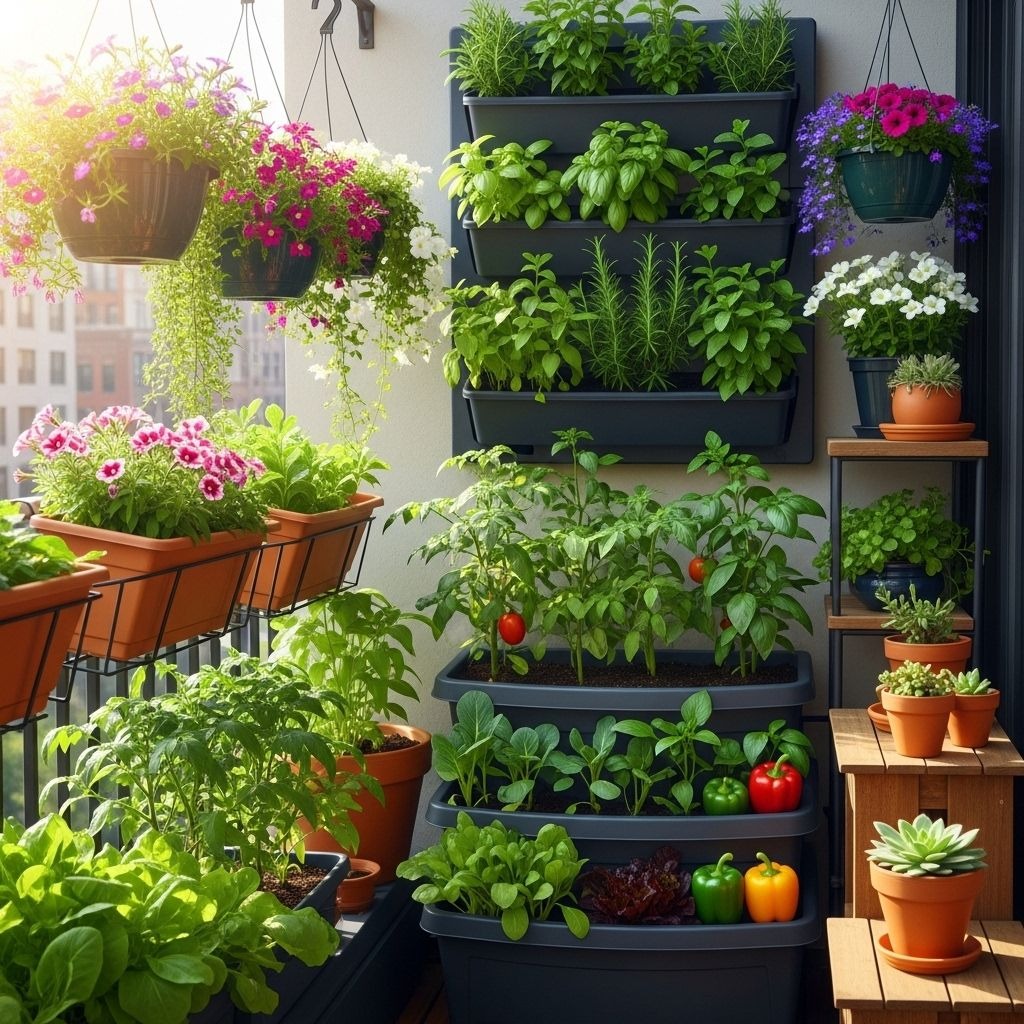
The 3 Core Strategies for Small Space Success
Small space gardening relies on three fundamental approaches that can be mixed and matched based on your specific situation.
Strategy 1: Grow Vertically
When horizontal space is limited, the only way to go is up. Vertical gardening uses walls, trellises, stakes, and hanging systems to maximize growing area without expanding your footprint. Climbing plants like beans, peas, cucumbers, and tomatoes thrive when given vertical support, and you can even grow lettuce and herbs on wall-mounted planters.
Strategy 2: Use Containers Strategically
Containers give you ultimate flexibility. They’re portable, stackable, and can fit into odd spaces traditional gardens can’t utilize—corners, steps, railings, and narrow ledges. You can grow almost anything in containers if you choose the right size and provide proper drainage.
Strategy 3: Plant Intensively
Intensive planting means maximizing every inch by using techniques like succession planting (replanting as soon as you harvest), companion planting (pairing compatible plants in the same container), and intercropping (growing fast-maturing crops between slower ones). These methods increase yield dramatically without requiring more space.
Vertical Gardening: Growing Up Instead of Out
Vertical gardening is the secret weapon of small space gardeners. It multiplies your growing area without claiming more floor space.
Wall-Mounted Planters and Systems
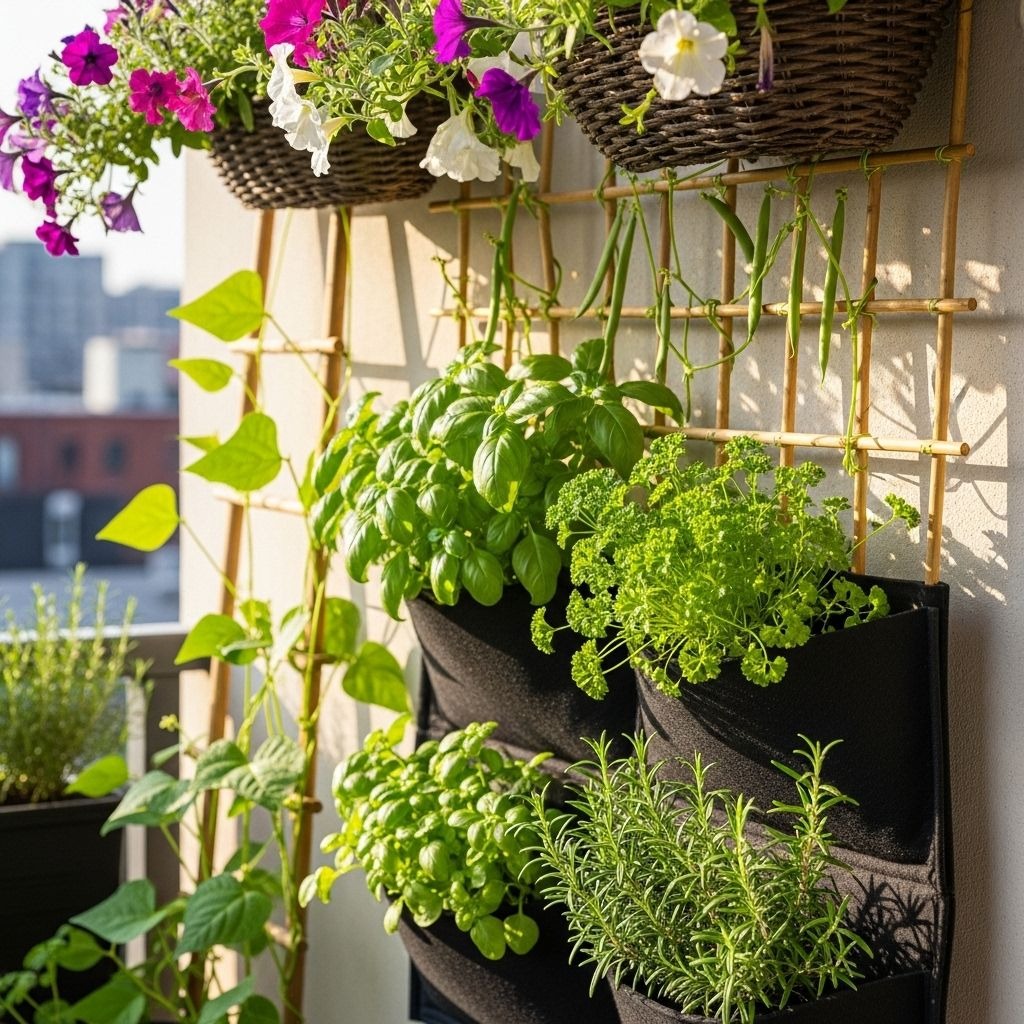
Wall-mounted planters attach directly to walls, fences, or railings. They come in pocket-style fabric systems, modular boxes, or grid frameworks where you hang individual pots. These work beautifully for herbs, leafy greens, strawberries, and flowers.
Choose lightweight options if you’re mounting on balcony walls or indoor spaces. Make sure the wall can support the weight when pots are filled with wet soil—water adds significant weight. Hanging plant hooks rated for outdoor use provide secure mounting points.
Trellises, Stakes, and Supports
A simple trellis can transform a single large container into a vertical vegetable garden. Plant pole beans, sugar snap peas, cucumbers, or indeterminate tomatoes at the base, and let them climb. You’re getting 6 feet of vertical growth from a 12-inch container footprint.
Bamboo stakes, wire cages, and string supports all work. For heavier vining plants like squash or melons, use sturdy wooden or metal trellises. Plant stakes and support systems keep vining plants organized and off the ground.
Hanging Planters and Baskets
Hanging plant baskets utilize overhead space—hang them from ceiling hooks, balcony overhangs, or shepherd’s hooks. They’re perfect for trailing plants like cherry tomatoes, strawberries, trailing herbs (like oregano and thyme), and flowering plants.
The key challenge with hanging baskets is watering—they dry out faster because they’re exposed to air on all sides. Self-watering systems or regular attention solve this problem.
Container Gardening for Maximum Flexibility
Containers are the foundation of most small space gardens. They’re portable, versatile, and let you garden anywhere.
Choosing the Right Containers
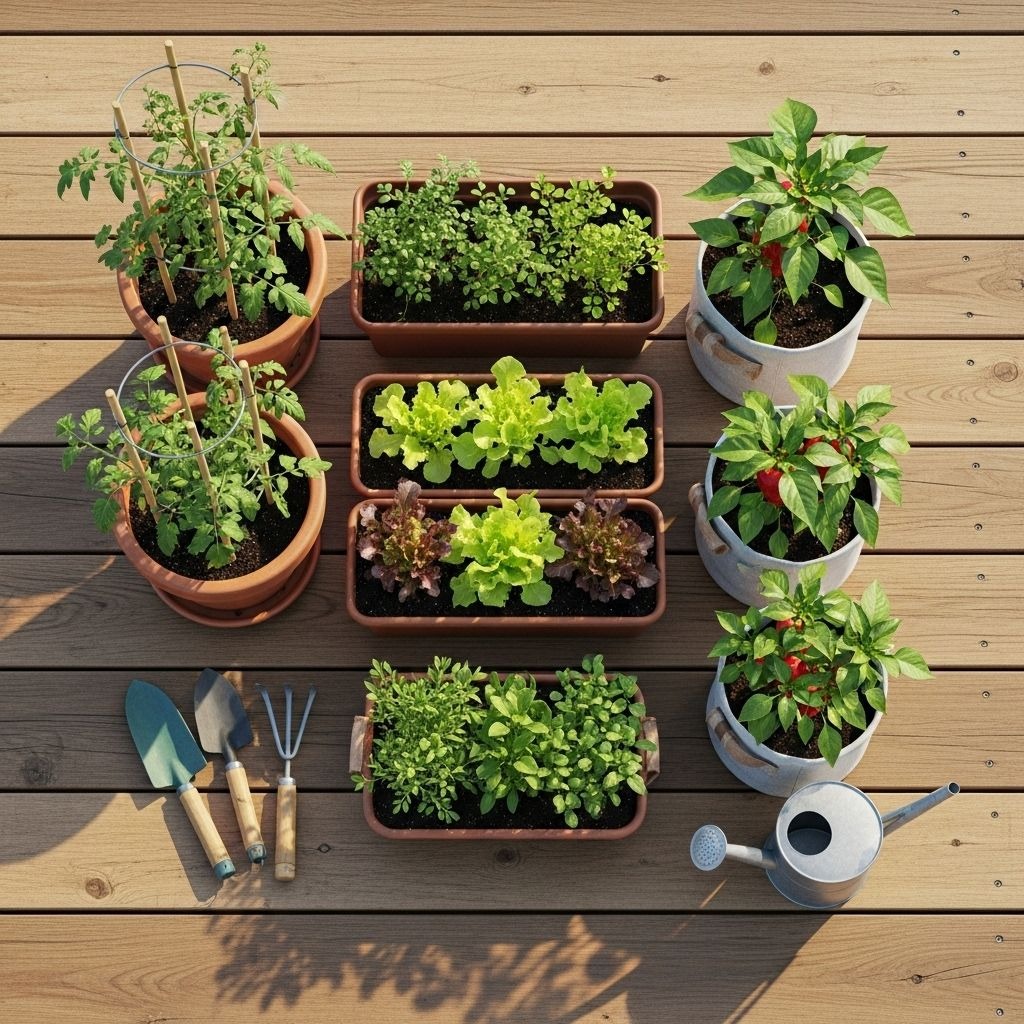
Size matters more than you think. Small pots dry out quickly and restrict root growth. For most vegetables and flowers, use containers at least 10-12 inches deep. Deep-rooted plants like tomatoes and peppers need 14-18 inch pots minimum.
Drainage is absolutely essential. Every container needs holes in the bottom. Without drainage, roots rot. If you love a decorative pot without holes, use it as an outer cachepot with a draining pot inside.
Materials to consider:
- Plastic: Lightweight, affordable, retains moisture well. Perfect for balconies with weight restrictions.
- Terra cotta: Classic clay pots are breathable and attractive but dry out faster and can crack in freezing temps.
- Fabric grow bags: Grow bags are breathable, prevent root circling, and fold flat for storage when not in use.
- Ceramic/Glazed: Beautiful but heavy. Great for permanent placements.
Don’t limit yourself to traditional pots. Balcony railing planters maximize edge space without taking up floor area. Repurpose buckets, crates, or bins—just add drainage holes.
Best Plants for Containers
Vegetables:
- Tomatoes: Cherry and dwarf varieties thrive in containers. Use large pots (at least 5 gallons) and provide support stakes.
- Lettuce and Salad Greens: Fast-growing, shallow-rooted, perfect for succession planting in small containers.
- Peppers: Compact varieties like jalapeños and sweet snack peppers produce well in 12-14 inch pots.
- Herbs: Basil, parsley, cilantro, thyme, rosemary, and mint all excel in containers. Most prefer 6-8 inch pots minimum.
- Radishes: Super fast (ready in 3-4 weeks), they grow well in shallow containers and make great succession crops.
Flowers:
Petunias, marigolds, pansies, and zinnias all work beautifully in containers and add color to small space gardens.
Strategic Placement
Observe your space throughout the day to understand light patterns. Most vegetables need 6-8 hours of direct sunlight. South-facing and west-facing spots typically get the most light. North-facing areas and shaded balconies are better for leafy greens, herbs, and shade-tolerant flowers.
Group containers with similar watering needs together. This makes maintenance easier and more efficient. Having a watering spray mister helps deliver gentle water to seedlings without disturbing soil.
Making the Most of Every Inch
Small space gardening requires creative techniques that increase productivity without expanding your footprint.
Succession Planting
Don’t let containers sit empty after harvest. Succession planting means replanting immediately when you harvest. Grew radishes in March? Pull them out and plant lettuce for April. Harvest lettuce in May? Plant basil for summer.
This keeps your limited space producing continuously throughout the growing season rather than sitting idle.
Companion Planting
Companion planting pairs compatible plants in the same container to maximize space and improve plant health. Classic combinations include:
- Tomatoes + Basil: Basil may deter pests and both enjoy similar conditions.
- Lettuce + Radishes: Fast radishes mark rows and are harvested before lettuce needs the space.
- Carrots + Onions: Different root depths let them share containers without competing.
Research companion planting combinations for your favorite crops to maximize container productivity.
Creative Small Space Solutions
Think outside the traditional pot when designing your small space garden.
Mini Greenhouses
You don’t need a full-size greenhouse to extend your season. Mini greenhouses fit on balconies and patios, protecting tender seedlings from frost or harsh weather. They’re especially useful for starting seeds earlier in spring or extending the harvest into fall.
For even more serious small space growing, grow tents with indoor plant LED grow lights allow year-round indoor gardening regardless of season or natural light availability.
Balcony Railing Planters
Railings are prime real estate in small space gardens. Balcony railing planters hook over railings, utilizing space that would otherwise be wasted. They’re perfect for herbs, flowers, and trailing plants like cherry tomatoes or strawberries.
Hydroponic Systems for Small Spaces
Hydroponics might sound high-tech, but compact hydroponic kits are beginner-friendly and perfect for tiny apartments. These soil-free systems grow plants in nutrient-rich water, often with built-in grow lights. They’re clean, compact, and produce impressive yields indoors. Use hydroponic nutrient solutions formulated for the specific plants you’re growing.
Just like setting up efficient systems for outdoor adventures—knowing how to pack a cooler for camping—smart organization maximizes what limited space can deliver.
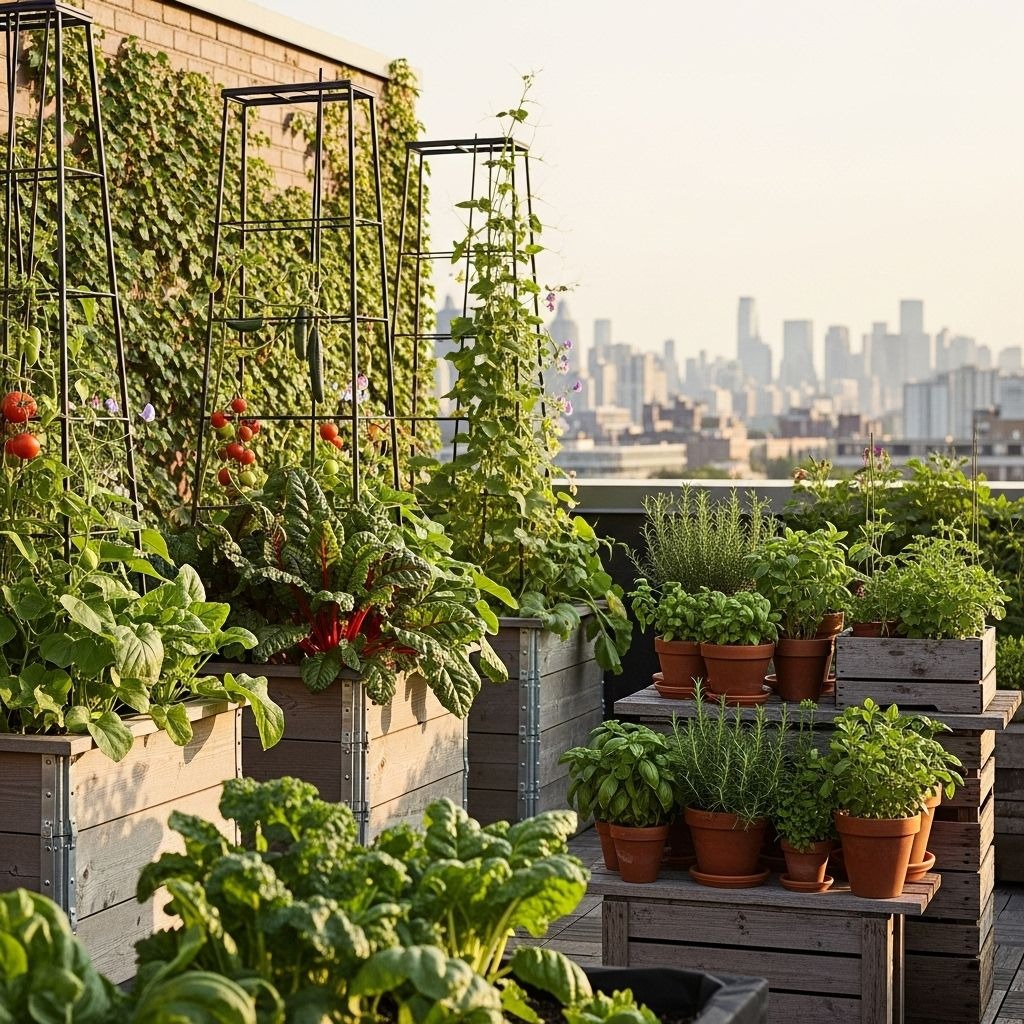
Common Small Space Challenges (And Solutions)
Small space gardening comes with unique challenges, but all are solvable.
Challenge 1: Limited Sunlight
Many apartments and small spaces don’t get ideal sun exposure.
Solution: Choose plants suited to your light conditions. If you only get 3-4 hours of sun, grow lettuce, spinach, herbs like parsley and cilantro, and shade-tolerant flowers. For truly dark spaces, invest in indoor plant LED grow lights to supplement natural light.
Challenge 2: Watering Logistics
Containers dry out quickly, especially in hot weather. If you don’t have outdoor water access, hauling water from your kitchen gets old fast.
Solution: Self-watering planters have built-in reservoirs that reduce watering frequency dramatically. A soil pH/moisture meter helps you water only when needed rather than guessing. For frequent travelers, group plants together so someone can water them easily in your absence.
Challenge 3: Weight Restrictions
Balconies and elevated spaces have weight limits, and soil is heavy—especially when wet.
Solution: Use lightweight potting mix (not garden soil), plastic or fabric containers instead of heavy ceramic, and distribute weight across the balcony rather than concentrating it in one spot. If concerned, consult your building’s regulations.
Soil, Feeding, and Care Basics
Use Quality Potting Mix
Never use garden soil in containers. It compacts, preventing drainage and root growth. Quality potting mix is lightweight, drains well while retaining moisture, and is sterile (no weed seeds or diseases).
Feed Regularly
Container plants need more frequent feeding than in-ground gardens because nutrients wash away with watering. Mix slow-release organic fertilizer into soil at planting, then supplement with liquid fertilizer every 1-2 weeks during active growth.
Monitor Soil Moisture
Stick your finger 1-2 inches into the soil. If dry, water deeply until it runs from drainage holes. A soil pH/moisture meter takes guesswork out of watering schedules.
Pest Management
Check plants regularly. Small space gardens make pests easy to spot. Hand-pick larger insects, spray aphids off with water, or use organic pest controls like neem oil for persistent problems. Catching issues early prevents them from spreading through your entire small garden.
FAQ: Your Small Space Gardening Questions Answered
Q1: What can I grow in a small space garden?
You can grow almost anything with the right container size and conditions. Vegetables like tomatoes, peppers, lettuce, herbs, radishes, and beans all thrive in small spaces. Flowers, especially compact varieties, work beautifully. Even small fruit like strawberries grow successfully in containers. Focus on compact or dwarf varieties and plants with high yields relative to their size.
Q2: How much sunlight do I need for small space gardening?
Most vegetables and flowering plants need 6-8 hours of direct sunlight daily. If you have less, choose shade-tolerant plants like lettuce, spinach, kale, parsley, mint, and impatiens. For spaces with almost no natural light, supplement with grow lights to successfully grow herbs and greens indoors year-round.
Q3: How do I water a small space garden efficiently?
Use self-watering containers to reduce watering frequency, group plants with similar water needs together, and water deeply but less frequently to encourage strong root systems. A watering can with a long spout helps reach hanging baskets and wall-mounted planters. For balconies without outdoor water access, keep a dedicated watering can filled indoors so you’re not making constant trips.
Q4: Can I really grow vegetables in an apartment?
Absolutely. Apartment dwellers successfully grow tomatoes, peppers, lettuce, herbs, radishes, beans, and more using balconies, windowsills, and indoor spaces with grow lights. The key is choosing appropriate varieties (dwarf or compact types), providing adequate light, and maintaining consistent watering and feeding schedules. Many apartment gardeners report impressive harvests from very limited space.
Q5: What’s the best vertical gardening system for beginners?
Start simple with a trellis in a large container for climbing plants like beans or cucumbers, or try wall-mounted pocket planters for herbs and lettuce. These are inexpensive, easy to install, and don’t require complicated systems. As you gain confidence, you can expand to more elaborate vertical setups like tiered shelving systems.
Your Small Space Garden Awaits
Small space gardening proves that limitations spark creativity. When you can’t spread out, you grow up. When you can’t have garden beds, you create portable container ecosystems. When you can’t alter your rental property, you design temporary, moveable gardens that transform with you.
You don’t need a yard, perfect conditions, or even much experience. You need imagination, a few containers, quality soil, and the willingness to experiment. Start small—literally. One container with herbs on your windowsill. A single tomato plant in a pot on your balcony. A wall-mounted planter with salad greens.
Every small space gardener makes mistakes. You’ll overwater something, forget to feed another thing, or discover a plant needs more light than your spot provides. That’s all part of the process. The beauty of small space gardening is that mistakes are small too—easy to correct, inexpensive to replace, simple to learn from.
Your tiny balcony, narrow patio, or sunny window holds more potential than you realize. Transform it into your personal growing space—a green sanctuary that provides fresh food, beautiful flowers, and a daily connection to the natural world, no matter how urban your surroundings. Think of it like preparing for changing weather on outdoor trips—understanding how to stay cool while camping or how to stay warm while camping—you adapt your approach to the conditions.
Whether you’re between camping trips, planning your next outdoor adventure, or simply craving fresh basil for tonight’s dinner, your small space garden will be there—thriving, producing, and proving that the best gardens aren’t measured in acres, but in creativity, care, and the joy they bring to your daily life.