
I learned about low light plants the hard way. After a week-long fishing trip, I came home to find my prized fiddle leaf fig looking like it had been through a drought—brown, crispy, and barely clinging to life. Meanwhile, the snake plant I’d shoved into the darkest corner of my hallway? Thriving. Standing tall. Practically mocking my expensive, fussy fig tree.
That moment changed how I thought about indoor plants. As someone who spends weekends hiking, camping, and chasing trout in mountain streams, I’m not home enough to baby high-maintenance greenery. I needed plants that could handle neglect, survive in dim corners, and still make my space feel alive when I returned from adventures.
If you’re an outdoor enthusiast who wants to bring nature indoors without constant fussing, low light indoor plants are your answer. They tolerate dark corners, forgive missed waterings, and create that connection to the natural world even when you’re stuck inside planning your next camping trip.
What Does “Low Light” Actually Mean?
Before diving into specific plants, let’s clarify what “low light” means. It’s not complete darkness—no plant survives without any light. Low light refers to spaces that receive indirect sunlight or are several feet away from windows.
Low light areas include:
- North-facing windows
- Rooms with small or few windows
- Corners far from natural light sources
- Bathrooms with minimal natural light
- Offices with fluorescent lighting
- Hallways and entryways
- Basements with small windows
What low light is NOT:
- Pitch black rooms with zero windows
- Closets without light sources
- Windowless bathrooms
Even the most tolerant low light plants need some ambient light to photosynthesize. If you’re growing plants in extremely dark spaces, consider adding an indoor-plant LED grow light to supplement natural light.
Think of low light plants like the cast iron gear in your camping kit—tough, reliable, and they perform when conditions aren’t perfect.
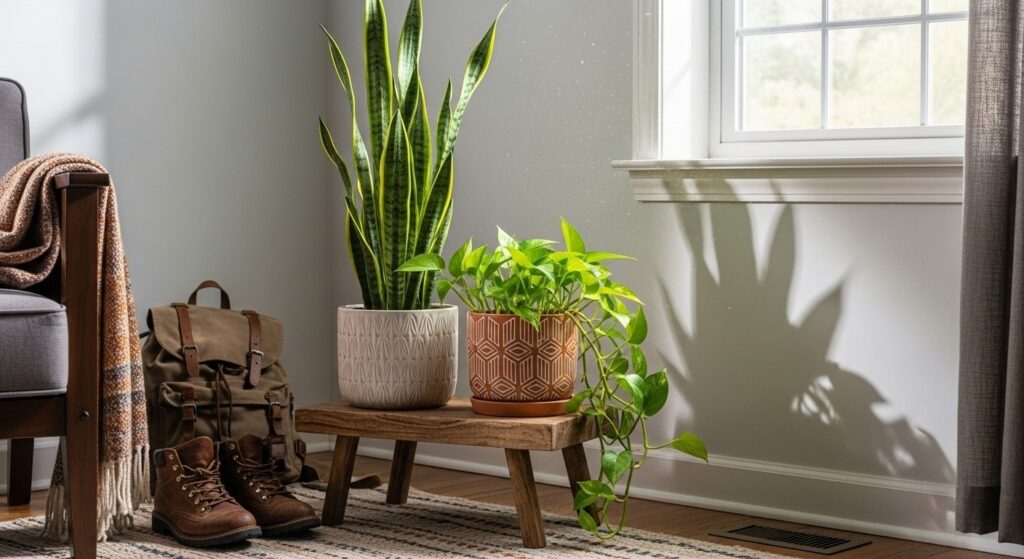
Why Low Light Plants Are Perfect for Outdoor Enthusiasts
If you’re someone who’d rather be on a trail than tending a garden, low light plants match your lifestyle:
Forgiveness for travelers: Miss a watering because you’re camping for a week? Most low light plants bounce back without drama.
Minimal fussing: No constant repositioning to chase sunlight. Plant them and forget them.
Thriving in tough spots: That dim corner by your gear closet? Perfect for a ZZ plant that’ll tolerate whatever you throw at it.
Air purification: When you’re stuck indoors between adventures, these plants scrub toxins from the air, improving your indoor environment naturally.
Year-round greenery: While you’re planning summer hikes and winter ski trips, your indoor jungle keeps growing without demanding attention.
Low light plants are like your favorite camping gear—dependable, low-maintenance, and always ready when you need them.
Best Low Light Indoor Plants: Top Performers
Here are the champions of dim spaces, ranked by their toughness and ease of care:
Snake Plant (Sansevieria)
Also called mother-in-law’s tongue, the snake plant tops every low light list for good reason. Its sword-like, upright leaves tolerate neglect better than any other houseplant. Snake plants survive in corners that would kill most plants, need water only every 2-3 weeks, and actually prefer being ignored.
Care tips:
- Water when soil is completely dry
- Tolerates temperatures from 55-85°F
- Grows slowly, perfect for small spaces
- Removes toxins like formaldehyde from air
Place snake plants in entryways, bathrooms, or bedrooms. They’re virtually indestructible—perfect for people who forget they own plants.
Pothos (Devil’s Ivy)
Pothos earns its “devil’s ivy” nickname because it’s nearly impossible to kill. This vining plant features heart-shaped leaves in green, gold, or variegated patterns. It thrives in hanging baskets, trailing from shelves, or climbing moss poles.
Care tips:
- Water when top inch of soil feels dry
- Vines grow 6-10 feet long indoors
- Trim back anytime to control size
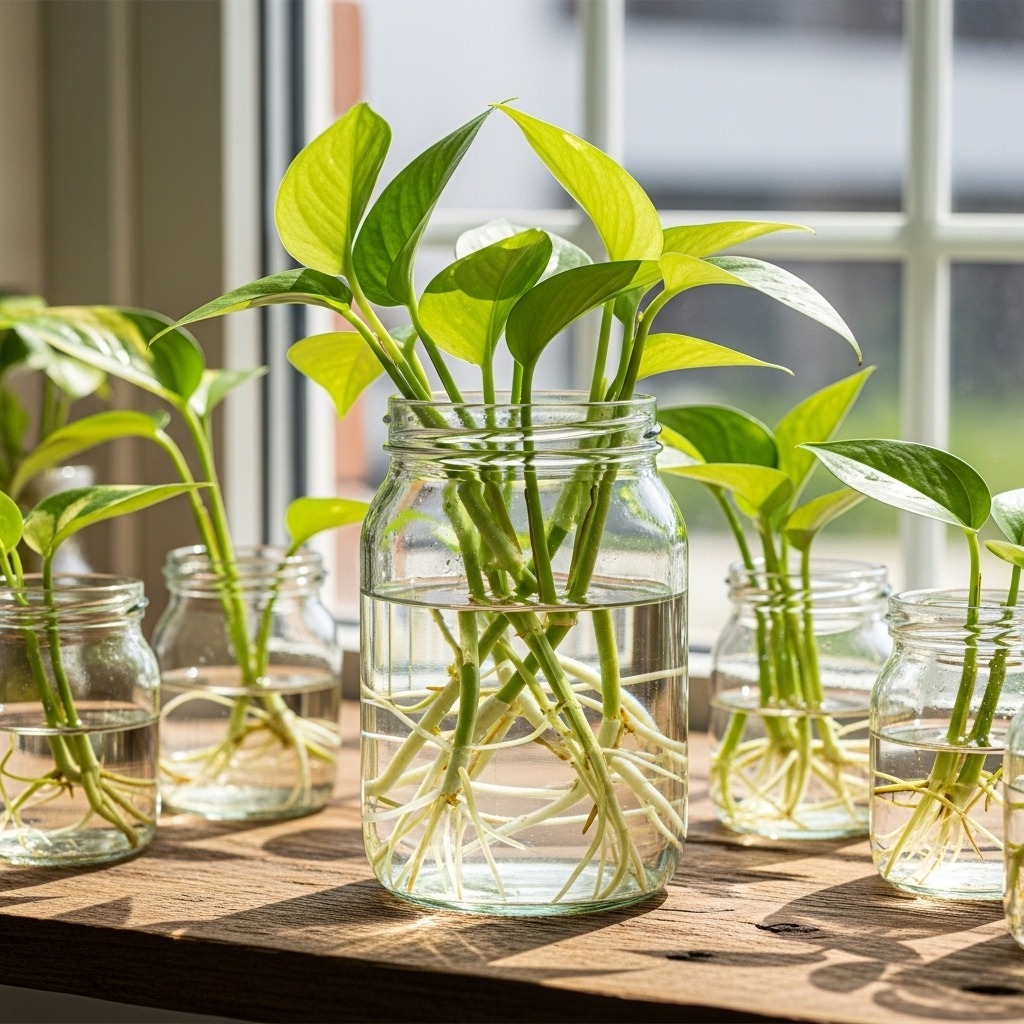
- Propagates easily in water
Pothos works beautifully in hanging plant baskets where vines cascade down, adding vertical interest to dim corners.
ZZ Plant (Zamioculcas zamiifolia)
The ZZ plant has become wildly popular for its glossy, dark green leaves and extreme drought tolerance. It stores water in thick, potato-like rhizomes under the soil, allowing it to survive weeks without watering.
Care tips:
- Water only when soil is bone dry (every 2-4 weeks)
- Slow-growing and stays compact
- Tolerates fluorescent office lighting
- Almost impossible to overwater if you’re cautious
The ZZ plant is perfect for forgetful waterers and frequent travelers. Place it anywhere and watch it thrive.
Peace Lily (Spathiphyllum)
Peace lilies offer something special—elegant white blooms even in low light conditions. The glossy green leaves droop dramatically when thirsty, making it easy to know when to water.
Care tips:
- Water when leaves begin to droop slightly
- Blooms periodically throughout the year
- Excellent air purifier
- Prefers slightly moist soil
Peace lilies work wonderfully in bathrooms where they enjoy humidity. Their dramatic “thirst signals” make them beginner-friendly.
Chinese Evergreen (Aglaonema)
Chinese evergreens showcase stunning leaf patterns in shades of green, silver, pink, and red. They tolerate low light better than most colorful foliage plants, making them ideal for adding visual interest to dark spaces.
Care tips:
- Water when top 1-2 inches of soil dry out
- Prefers humidity but adapts to average conditions
- Slow-growing and stays manageable
- Dozens of varieties with different patterns
Display Chinese evergreens in decorative ceramic plant pots to showcase their beautiful foliage.
Cast Iron Plant (Aspidistra elatior)
Named for its toughness, the cast iron plant survives neglect, poor light, temperature fluctuations, and irregular watering. Its large, dark green leaves add tropical flair to dim spaces.
Care tips:
- Water every 1-2 weeks when soil dries
- Tolerates temperature extremes
- Grows very slowly
- Perfect for dark corners and low-traffic areas
This plant is ideal for cabins, RVs, or seasonal homes where care is sporadic.
Spider Plant (Chlorophytum comosum)
Spider plants produce arching leaves with green and white stripes, plus adorable “spiderettes”—baby plants that dangle from stems. They’re cheerful, fast-growing, and incredibly forgiving.
Care tips:
- Water when top inch of soil dries
- Produces babies you can propagate
- Removes air pollutants effectively
- Grows well in hanging baskets
Spider plants thrive in self-watering planters that make care even easier for busy adventurers.
Philodendron
Heart-shaped leaves and trailing vines make philodendrons popular for shelves and hanging displays. They adapt to various light levels and grow vigorously with minimal care.
Care tips:
- Water when top inch of soil dries
- Pinch back vines to encourage bushiness
- Climbing varieties benefit from moss poles
- Easy to propagate in water
Philodendrons are perfect for creating lush, jungle-like vibes in apartments and homes.
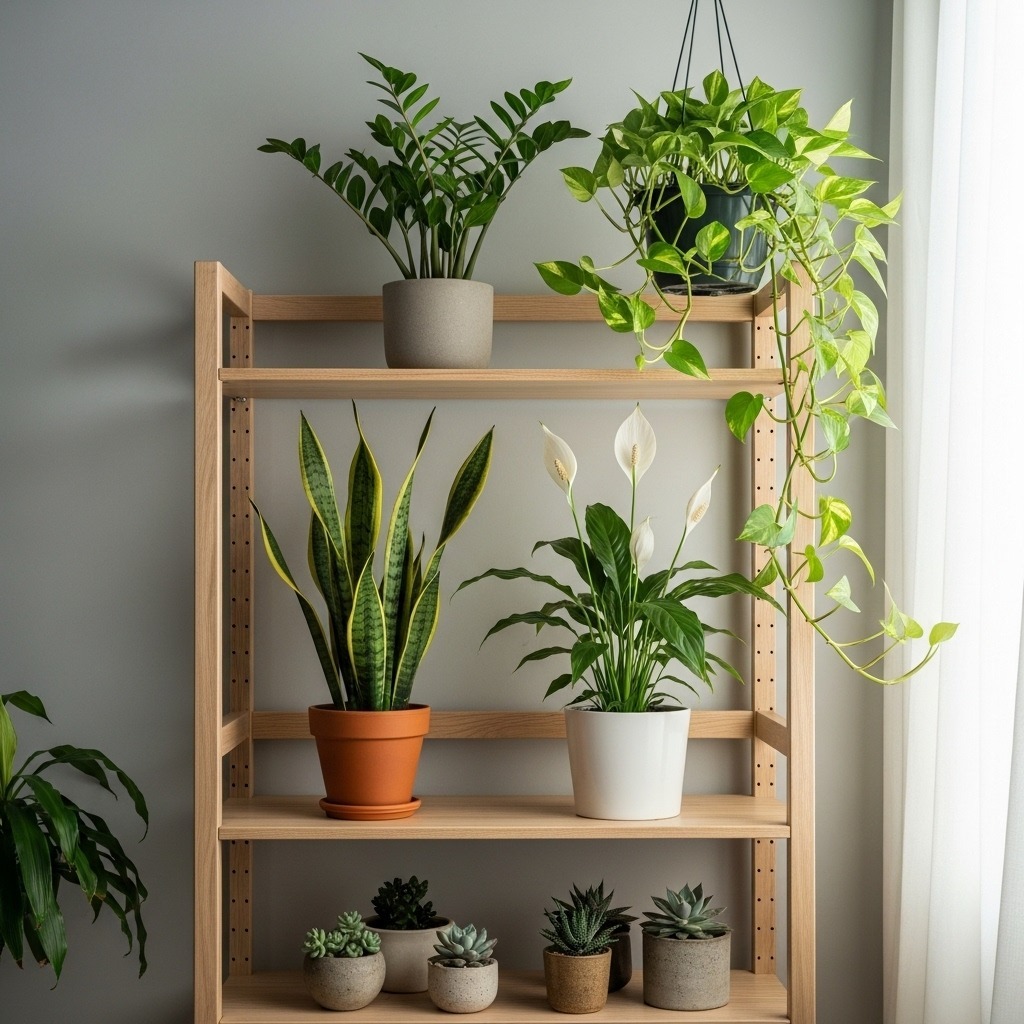
Where to Place Low Light Plants in Your Home
Strategic placement maximizes your plants’ health and visual impact:
Entryways and hallways: Snake plants and cast iron plants tolerate low traffic and dim lighting while adding greenery to transitional spaces.
Bathrooms: Peace lilies, ferns, and pothos love humidity from showers. They thrive on bathroom counters or shelves.
Bedrooms: Snake plants and spider plants purify air while you sleep. Place on dressers or nightstands away from windows.
Home offices: ZZ plants and Chinese evergreens handle fluorescent lighting and benign neglect while you work.
Living room corners: Large floor plants like snake plants or philodendrons fill empty corners with life.
Under staircases: Utilize dark, awkward spaces with cast iron plants or pothos in hanging baskets.
For extra versatility, use indoor plant stands to elevate plants at different heights, creating visual interest in any room.
Basic Care Guidelines for Low Light Plants
While these plants tolerate neglect, following basic care principles keeps them thriving:
Watering
The number one killer of low light plants is overwatering, not underwatering. Low light means slower growth and lower water consumption.
- Check soil moisture before watering
- Water when top 1-2 inches feel dry
- Pour water until it drains from bottom holes
- Empty saucers to prevent root rot
- Use a soil pH/moisture meter for accuracy
In winter, reduce watering frequency as plants enter dormancy and light levels drop further.
Soil and Drainage
All low light plants need well-draining soil and pots with drainage holes. Use quality potting mix designed for indoor plants.
For extra insurance against overwatering, add perlite or orchid bark to your potting mix to improve drainage. Root rot kills more houseplants than any other issue.
Fertilizing
Low light plants grow slowly and need minimal feeding:
- Fertilize monthly during spring and summer
- Use half-strength organic fertilizer
- Skip fertilizing in fall and winter
- Overfertilizing causes more harm than underfertilizing
Cleaning Leaves
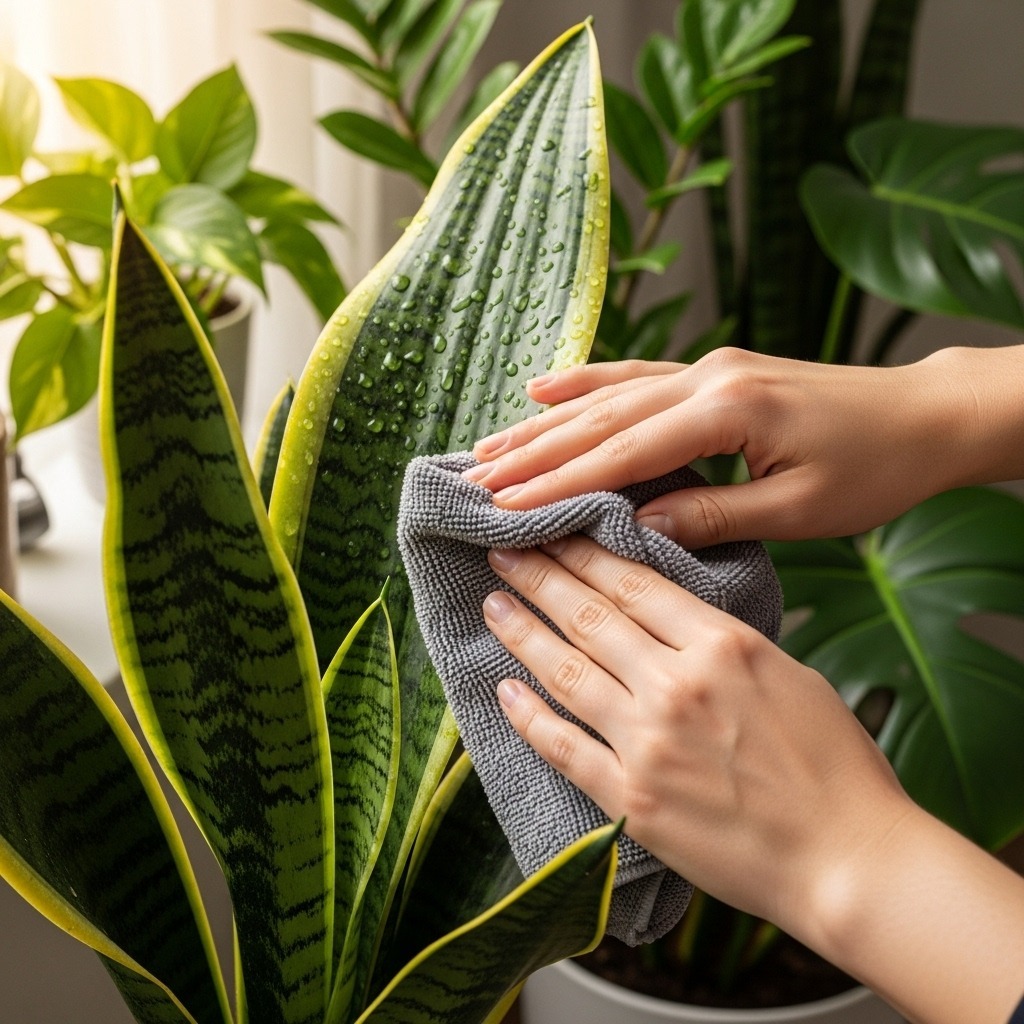
Dust accumulates on leaves over time, blocking light absorption and reducing photosynthesis. Wipe leaves monthly with a damp cloth or give plants a gentle shower.
Rotating Plants
Rotate plants quarterly so all sides receive equal light exposure. This prevents lopsided growth and keeps plants symmetrical.
Common Mistakes to Avoid
Even low-maintenance plants suffer when these mistakes happen:
Overwatering: More plants die from too much water than too little. When in doubt, wait another day before watering.
No drainage holes: Pots without drainage trap water and drown roots. Always use pots with holes or add drainage layers.
Ignoring pest signs: Check for spider mites, mealybugs, and scale insects monthly. Catching infestations early makes treatment easier.
Moving plants constantly: Let plants acclimate to one spot. Constant repositioning stresses them.
Expecting fast growth: Low light plants grow slowly. Don’t worry if you see minimal change week-to-week.
Using garden soil: Heavy garden soil compacts in containers and suffocates roots. Always use potting mix formulated for containers.
Low Light Plants for Specific Spaces
For RVs and Campers
Traveling full-time? Choose compact, unbreakable plants:
- Small snake plants in sturdy pots
- Pothos in hanging baskets secured with hooks
- ZZ plants in self-watering planters
Secure pots during travel to prevent tipping. Consider adding moss or mulch on soil surfaces to prevent spills on bumpy roads.
For Cabins and Vacation Homes
Seasonal properties need ultra-tough plants that survive sporadic care:
- Cast iron plants
- Snake plants
- ZZ plants
These tolerate weeks without water and temperature fluctuations when heating and cooling systems are off.
For Small Apartments
Maximize vertical space with trailing and climbing varieties:
- Pothos on hanging-plant hooks
- Philodendron on shelves
- Spider plants in hanging baskets
Use walls and corners creatively rather than consuming valuable floor space.
For Offices and Work Spaces
Desk-friendly plants improve air quality and reduce stress:
- Small Chinese evergreens
- ZZ plants in decorative pots
- Pothos trailing from file cabinets
These plants handle artificial lighting and irregular watering schedules.
Propagating Low Light Plants
Many low light plants propagate easily, giving you free plants for other rooms or gifts:
Water propagation (pothos, philodendron, spider plant babies):
- Cut 4-6 inch stem sections below a node
- Remove lower leaves
- Place in water with nodes submerged
- Change water weekly
- Plant in soil once roots reach 2 inches
Division (snake plants, spider plants, peace lilies):
- Remove plant from pot
- Gently separate root sections
- Replant divisions in fresh soil
- Water thoroughly
Use seed starter kits for rooting cuttings in soil instead of water if you prefer direct planting.
Troubleshooting Common Problems
Yellow Leaves
Causes: Overwatering, poor drainage, or natural aging
Solution: Check soil moisture, ensure drainage holes exist, remove yellow leaves
Brown Leaf Tips
Causes: Low humidity, chlorine in tap water, or overfertilizing
Solution: Increase humidity, use filtered water, reduce fertilizer
Leggy Growth
Causes: Insufficient light even for low-light plants
Solution: Move closer to window or add grow light
Drooping Leaves
Causes: Underwatering or root-bound conditions
Solution: Water thoroughly or repot into larger container
Pests
Causes: Indoor conditions favor spider mites and mealybugs
Solution: Isolate affected plant, spray with insecticidal soap, wipe leaves weekly
Creating an Indoor Jungle on Your Terms
Low light plants let you build an indoor oasis without sacrificing your outdoor lifestyle. You don’t need perfect conditions, constant attention, or a green thumb—just plants that match your reality.
Start with 2-3 bulletproof varieties like snake plants and pothos. As you gain confidence, expand your collection with peace lilies, ZZ plants, and Chinese evergreens. Before long, you’ll have greenery in every room, all thriving despite your weekend camping trips and weeklong fishing expeditions.
The best part? Coming home from adventures to a space that feels alive and welcoming, even after days away. Your low light plants don’t judge your absence—they just keep growing, quietly improving your air and brightening your space.
Much like preparing the perfect batch of cowboy coffee on a camping trip, caring for low light plants is about simplicity and letting nature do its thing. You provide the basics, and these resilient plants handle the rest.
Frequently Asked Questions About Low Light Indoor Plants
Can plants survive in rooms with no windows?
Not long-term without supplemental lighting. All plants need some light for photosynthesis. For windowless rooms, add LED grow lights set to 12-14 hours daily to keep plants healthy.
How often should I water low light plants?
Check soil moisture rather than following a schedule. Most low light plants need water every 1-3 weeks depending on temperature, humidity, and pot size. Water when the top 1-2 inches of soil feel dry.
Do low light plants purify air?
Yes! Snake plants, peace lilies, spider plants, and pothos remove toxins like formaldehyde, benzene, and carbon monoxide from indoor air. While they won’t replace proper ventilation, they contribute to healthier indoor environments.
Why are my low light plant’s leaves turning yellow?
Yellow leaves typically indicate overwatering or poor drainage. Check that pots have drainage holes and soil isn’t staying soggy. Sometimes lower leaves naturally yellow and drop as plants age—this is normal.
Can I grow low light plants in bathrooms?
Absolutely! Bathrooms are ideal for humidity-loving varieties like peace lilies, ferns, and pothos. Just ensure some natural or artificial light reaches the space for at least part of the day.
How do I know if my plant needs more light?
Signs include leggy, stretched growth, smaller new leaves, loss of variegation, and very slow growth. If your plant shows these symptoms, move it closer to a window or add supplemental lighting.
Should I mist low light plants?
Most low light plants don’t require misting. Excessive misting can promote fungal issues. For plants needing higher humidity like ferns and peace lilies, use pebble trays or place near humidifiers instead.
What’s the easiest low light plant for beginners?
Snake plants are the ultimate beginner plant. They tolerate extreme neglect, survive in very low light, need watering only every 2-3 weeks, and show clear signs when they need attention.