
I’ll never forget the first time I walked into my friend Emma’s apartment. While my place looked like a beige box with furniture randomly scattered around, hers felt like stepping into a botanical garden designed by an interior designer. Lush monstera leaves framed her windows, trailing pothos cascaded from floating shelves, and a stunning fiddle leaf fig commanded attention in the corner. “How do you do this?” I asked, gesturing at the green paradise surrounding us. She laughed and said, “It’s not about having a green thumb—it’s about choosing the right plants and knowing where to put them.”
That conversation sparked my obsession with creating an aesthetic indoor plant collection. Three years later, my apartment has transformed from sterile and boring into a vibrant, living space that makes me genuinely excited to come home each day. My Instagram feed went from food photos to plant content, and suddenly friends were asking me for advice instead of the other way around.
If you’ve been scrolling through Pinterest or Instagram feeling envious of those perfectly styled plant-filled spaces, I’m here to tell you it’s completely achievable. You don’t need a mansion, endless budget, or even exceptional plant care skills. What you need is the right aesthetic approach, strategic plant selection, and a few styling tricks that make all the difference.
What Makes Indoor Plants “Aesthetic”?
Before diving into specific plants, let’s talk about what “aesthetic” actually means in the plant world. It’s more than just pretty leaves—though that certainly helps. Aesthetic plants create visual interest through unique shapes, textures, colors, or growth patterns that elevate your space from ordinary to extraordinary.
The term “aesthetic” in plant circles typically refers to Instagram-worthy specimens that photograph beautifully and make strong design statements. These are plants that serve double duty as both living organisms and decorative art pieces. Think dramatic foliage, architectural shapes, or trailing vines that create movement and softness in your space.
What makes this approach different from traditional houseplant care is the intentional styling component. You’re not just keeping plants alive—you’re curating a collection that reflects your personal style and enhances your home’s atmosphere. It’s the difference between randomly placing a potted plant on a table versus thoughtfully positioning it where light, space, and surrounding decor create a cohesive aesthetic moment.
The beauty of aesthetic indoor plants is they work with virtually any design style. Minimalist spaces benefit from sculptural plants with clean lines like snake plants or bird of paradise. Bohemian vibes call for lush, trailing varieties and eclectic pot collections. Modern industrial spaces pop with large-leafed tropical plants that soften hard edges and metal finishes.
The Most Instagram-Worthy Indoor Plants
After building my collection and obsessively following plant influencers, I’ve identified the plants that consistently deliver that wow factor while remaining relatively manageable for non-experts.
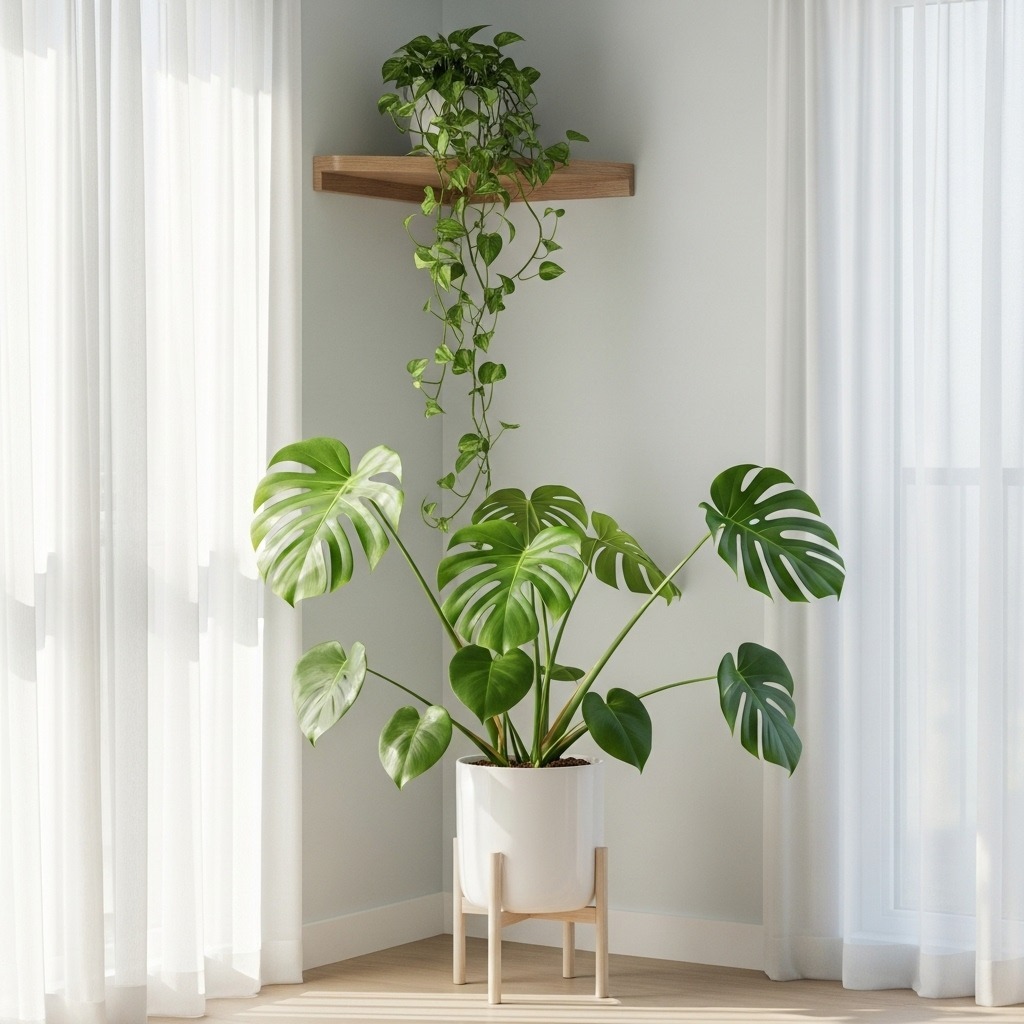
Monstera Deliciosa absolutely dominates as the queen of aesthetic indoor plants. Those iconic split leaves create instant jungle vibes and photograph like a dream. I started with a small monstera three years ago, and it’s now a five-foot-tall statement piece that anchors my entire living room. The splits and holes in mature leaves (called fenestrations) add architectural interest that solid-leafed plants simply can’t match.
What makes monstera particularly appealing is its forgiving nature. It tolerates some neglect, adapts to various light conditions, and grows relatively quickly. Within a year, you’ll see significant growth and new leaf development. Position your monstera in bright, indirect light and water when the top two inches of soil feel dry. These indoor plant stands elevate monsteras beautifully, making them focal points rather than floor clutter.
Fiddle Leaf Fig runs a close second in the aesthetic plant popularity contest. Those massive, violin-shaped leaves create drama and elegance that few other plants can match. I’ll be honest—fiddle leaf figs have a reputation for being finicky, and that reputation is somewhat deserved. They dislike being moved, need consistent watering schedules, and drop leaves dramatically when unhappy.
However, once you find the right spot and establish a routine, fiddle leaf figs reward you with stunning vertical growth. Mine lives next to my west-facing window and receives afternoon sun filtered through sheer curtains. I water it thoroughly once weekly during growing season, less frequently in winter. The key is consistency—these plants hate surprises.
Pothos might seem basic, but hear me out. These trailing plants have evolved from “grandma’s houseplant” to essential elements in modern plant aesthetics. Golden pothos, marble queen, and the stunning silvery satin pothos all bring different vibes while remaining virtually indestructible. I have pothos cascading from shelves, growing up moss poles, and trailing from hanging plant baskets throughout my apartment.
The aesthetic power of pothos lies in their versatility and growth speed. Within months, you’ll have long, lush vines that soften hard edges and create visual flow between spaces. They tolerate low light, forgive inconsistent watering, and propagate so easily you’ll have free plants to share with friends. Styling tip: let pothos trail naturally for bohemian vibes, or train them up supports for a more structured look.
Snake Plants bring architectural elegance to any space. The tall, upright leaves with striking patterns make bold statements in minimalist interiors. I particularly love the cylindrical snake plant variety, which adds unique textural interest. Snake plants are ridiculously low-maintenance—they actually prefer being ignored. I water mine every 2-3 weeks, sometimes less frequently in winter.
The aesthetic appeal of snake plants extends beyond their sculptural leaves. They work beautifully in decorative ceramic plant pots and modern planters, creating clean lines and contemporary vibes. Group several snake plants of varying heights together for a dramatic, repetitive pattern that feels intentional and curated.
Bird of Paradise instantly transports you to tropical paradise. Those massive paddle-shaped leaves command attention and create the ultimate statement corner. My bird of paradise reaches nearly to my ceiling, transforming an awkward empty corner into the most photographed spot in my apartment. Be warned—these plants need space. Don’t attempt bird of paradise in small apartments unless you’re committed to regular pruning.
String of Pearls and other “string of” succulents bring whimsical charm to aesthetic plant collections. Those cascading strands of bead-like leaves look absolutely magical trailing from shelves or hanging planters. I struggled initially with string of pearls until I learned they need more light than typical indoor plants and very infrequent watering. Place them in bright, indirect light near windows, and water only when the “pearls” start feeling slightly soft and wrinkled.
Calathea and Prayer Plants offer some of the most stunning foliage patterns in the plant world. Calathea medallion’s intricate leaf patterns look hand-painted, while prayer plants fold their leaves upward each evening in a fascinating daily ritual. These are slightly more challenging plants requiring consistent moisture and humidity, but the visual payoff is worth the extra attention. I keep mine in my bathroom where shower steam provides natural humidity they crave.
Creating Visual Impact Through Plant Placement
Choosing beautiful plants is only half the battle—strategic placement transforms individual plants into a cohesive aesthetic. I learned this lesson after cramming my first plants randomly onto any available surface, wondering why my space still looked cluttered rather than curated.
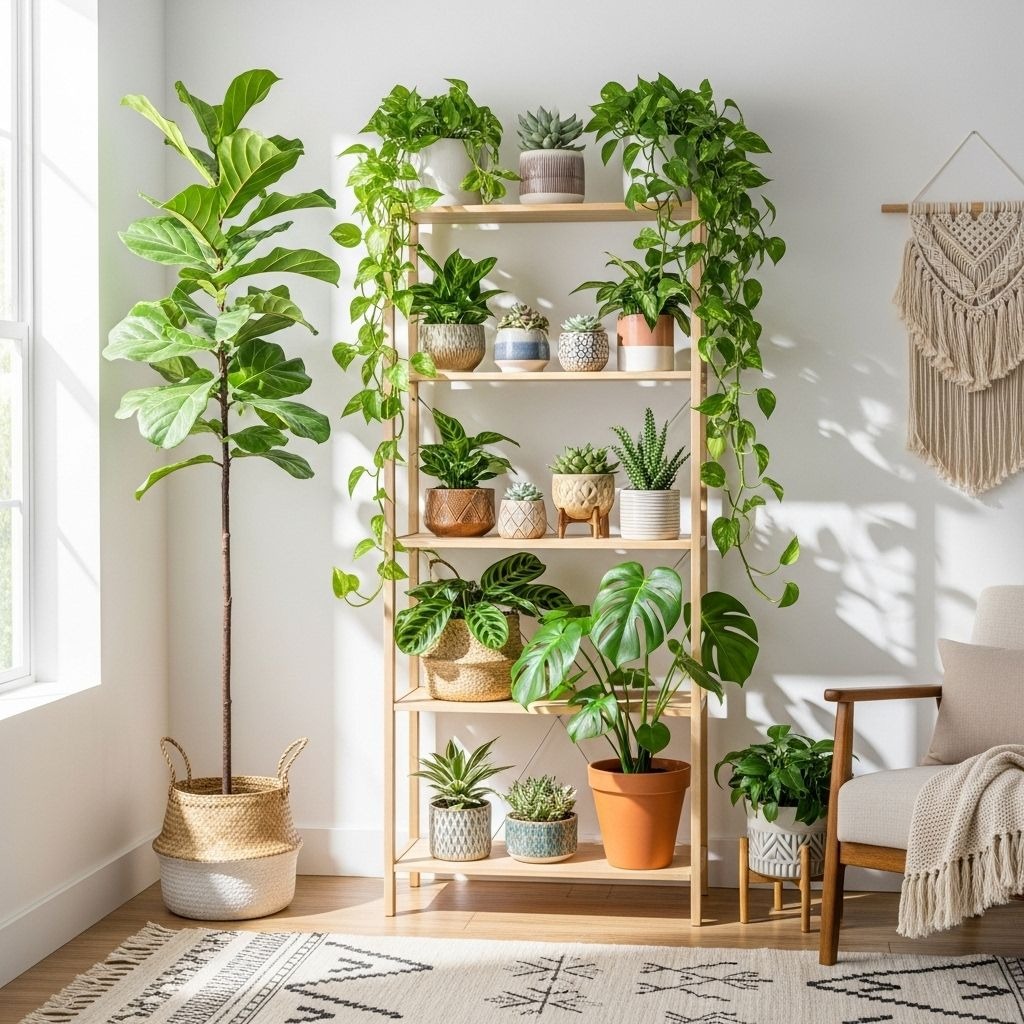
Height variation creates visual interest and depth. My biggest styling breakthrough came from understanding the power of different levels. I position tall floor plants like bird of paradise and fiddle leaf figs in corners, mid-height plants like monstera on stands or tables, and trailing varieties on shelves or hanging from ceilings. This layering draws the eye through the space vertically, making rooms feel larger and more dynamic.
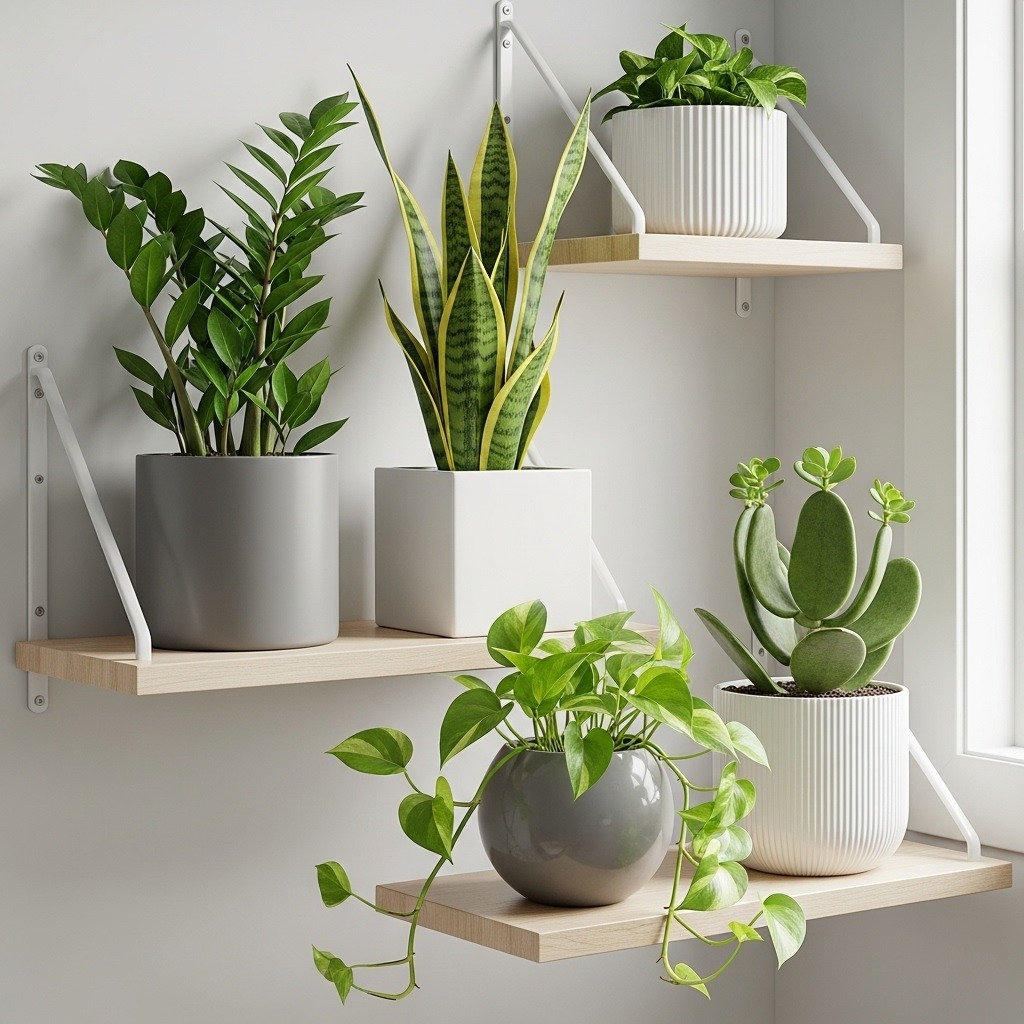
Grouping plants in odd numbers (three, five, or seven) creates more aesthetic appeal than even numbers. I keep a cluster of three plants on my console table—a tall snake plant, medium ZZ plant, and trailing pothos—and this arrangement consistently gets compliments. The varying heights and textures play off each other while the odd number feels naturally balanced rather than rigidly symmetrical.
Negative space matters as much as the plants themselves. Resist the urge to fill every surface with greenery. Strategic empty space allows each plant to breathe and be appreciated individually. My living room has one corner absolutely packed with plants creating a mini jungle, while other areas remain relatively sparse. This contrast makes the planted corner feel intentional rather than hoarder-ish.
Light considerations dictate placement more than aesthetics should. I made the mistake of positioning my stunning monstera in a dark corner purely for aesthetic reasons, and it suffered immediately. Now I first identify light conditions throughout my space, then choose plants suited to those areas. Bright, indirect light near windows: fiddle leaf figs, monstera, and string of pearls. Medium light: pothos and philodendron. Low light corners: snake plants and ZZ plants. Working with natural light rather than against it ensures healthy, thriving plants that look their aesthetic best.
Functional integration incorporates plants into your daily routines. I keep herbs in attractive pots on my kitchen counter where they’re both beautiful and useful. A small pothos sits on my desk providing greenery during work hours. Plants in the bedroom improve air quality while creating a calming atmosphere. This functional approach is similar to how outdoor enthusiasts integrate gear into their routines—check out camping for beginners for examples of thoughtful gear placement.
Choosing the Right Planters for Maximum Aesthetic
Plants are only part of the aesthetic equation—planters dramatically impact your overall design. I initially kept plants in basic plastic nursery pots, and my space looked cheap despite having beautiful specimens. Upgrading to thoughtful planters elevated my entire apartment’s aesthetic instantly.
Material matters for both function and style. Ceramic planters with drainage holes remain my go-to choice. They’re heavy enough to stabilize tall plants, available in endless styles, and regulate moisture better than plastic. I particularly love matte white ceramic planters for minimalist spaces and textured terracotta for bohemian vibes. These decorative ceramic plant pots come in various sizes perfect for building a cohesive collection.
Size considerations extend beyond matching pot to plant. I’ve learned to use slightly oversized planters for a more luxe, established look. A monstera in an appropriately sized pot looks nice; the same monstera in a pot one size larger looks expensive and curated. Just ensure adequate drainage since oversized pots hold more water.
Color coordination creates cohesive aesthetics throughout your space. I use primarily white, cream, and natural wood tone planters, which allows the plants themselves to provide color variation. This neutral palette prevents visual chaos when you have numerous plants. Alternatively, choose one accent color for all pots—sage green, dusty pink, or charcoal gray—and repeat it throughout your collection.
Texture variation adds visual interest within a coordinated color scheme. I mix smooth ceramic with woven baskets, modern geometric planters with organic shapes, and glossy finishes with matte. This textural variety keeps things interesting while the consistent color palette maintains cohesion.
Drainage solutions are non-negotiable for plant health. Every planter needs drainage holes, period. For decorative cache pots without drainage, I use these self-watering planters as inner pots. They handle water management while sitting inside prettier outer containers. This two-pot system gives you aesthetic flexibility while protecting plants from root rot.
Plant stands and risers add dimension and elevation that transforms plant presentation. These indoor plant stands come in various heights and styles, from mid-century modern wooden stands to minimalist metal designs. I use plant stands to raise smaller plants to eye level, create layered arrangements, and protect floors from water damage.
Styling Trends in Aesthetic Indoor Plants
The indoor plant aesthetic constantly evolves as design trends shift and new varieties gain popularity. Staying current helps create spaces that feel fresh rather than dated.
Hanging and cascading plants dominated 2024 and continue strong into 2025. Utilizing vertical space through hanging planters, wall-mounted pots, and trailing varieties maximizes greenery in small spaces. I installed several hanging plant hooks from my ceiling and filled them with string of hearts, trailing philodendron, and spider plants. The cascading effect adds movement and softness that grounds-only plants can’t achieve.
Rare and hybrid varieties have become the new status symbols in plant circles. Philodendron hybrids, begonia crosses, and unusual anthurium varieties command high prices and Instagram attention. While I appreciate rare plants, I’ve learned that common plants styled beautifully often create better overall aesthetics than expensive rare specimens displayed poorly.
Multi-colored foliage brings visual interest beyond standard green leaves. I’ve added prayer plants with pink and green patterns, croton with red and yellow variegation, and purple shamrock for unexpected color pops. These colorful varieties work as focal points in plant groupings, drawing the eye and creating conversation pieces.
Minimalist plant displays with fewer, larger statement plants have gained traction as a counter-movement to the “more is more” jungle aesthetic. Instead of dozens of small plants, this approach uses 3-5 large specimens strategically placed for maximum impact. I personally blend both approaches—a curated jungle corner and minimalist statement plants in other areas.
Trailing plants on walls create living art installations. I’ve seen stunning displays where pothos or philodendron vines are trained along walls using small hooks, creating green wallpaper effects. This requires patience as vines grow slowly, but the result is undeniably Instagram-worthy.
Low-Maintenance Options for Busy Lifestyles
Let’s be real—not everyone has time for high-maintenance plant care. The good news? Some of the most aesthetic plants require minimal attention, perfect for busy schedules or self-proclaimed “plant killers.”
ZZ Plants tolerate neglect better than almost any other houseplant. Those glossy, architectural leaves maintain their shine even with irregular watering. I water my ZZ plant approximately once monthly, sometimes longer in winter. They adapt to low light conditions and rarely suffer from pests. For maximum aesthetic impact, choose a large ZZ plant in a striking planter rather than multiple small ones.
Snake Plants have already been mentioned, but their low-maintenance nature deserves emphasis. These plants actually prefer dry conditions and can go weeks between waterings. They tolerate virtually any light condition from bright indirect to dim corners. The architectural leaves maintain their structure and pattern with zero effort beyond occasional dusting.
Pothos varieties forgive inconsistent care while still growing vigorously. I’ve left my pothos unwatered for two weeks during travel, and they bounce back immediately after a good soaking. They tolerate low to bright indirect light and signal watering needs clearly—leaves droop slightly when thirsty, then perk up within hours of watering.
Spider Plants are nearly impossible to kill and produce adorable baby “spiderette” plants that cascade from the mother plant. These look fantastic in hanging plant baskets and require watering only when soil feels dry. They tolerate a wide range of light conditions and actually grow more vigorously with benign neglect than obsessive attention.
Succulents require infrequent watering and forgive forgotten care routines. String of pearls, jade plants, and echeveria all offer unique aesthetic appeal while thriving on minimal attention. The key with succulents is providing adequate light—they need bright conditions to maintain compact growth and prevent stretching.
This low-maintenance approach to plant care shares similarities with preparing for outdoor adventures—having the right setup makes everything easier. Just like selecting the best camping table of 2025 simplifies meal prep outdoors, choosing forgiving plants simplifies indoor gardening.
Common Aesthetic Plant Care Mistakes
I’ve made every possible plant care mistake during my journey to aesthetic plant parenthood. Learning from these errors saved my collection and my wallet.
Overwatering kills more houseplants than any other issue. I learned this painful lesson after losing a beautiful fiddle leaf fig to root rot. Most aesthetic plants prefer slightly dry conditions between waterings. I now use the finger test—stick your finger two inches into soil, and water only if it feels dry. A soil pH and moisture meter eliminates guesswork and prevents overwatering disasters.
Inadequate drainage turns even perfect watering schedules into disasters. Ensure every pot has drainage holes, and never let plants sit in standing water. I use pot feet or place pebbles in saucers so excess water drains away from root zones. Those beautiful cache pots without drainage? Use them as decorative outer containers with properly draining inner pots nested inside.
Poor light placement undermines even the hardiest plants. I watch where natural light falls throughout the day and match plants to appropriate locations. That instagram-perfect dark corner? Only snake plants and ZZ plants will survive there. Monstera and fiddle leaf figs need bright, indirect light to maintain their dramatic foliage. Forcing plants into aesthetically ideal but poorly lit locations guarantees struggle and eventual failure.
Neglecting to rotate plants causes lopsided growth as plants lean toward light sources. I rotate all my plants 90 degrees every week or two, encouraging even growth and balanced shapes. This simple habit keeps plants full and symmetrical rather than stretched and awkward.
Skipping repotting limits growth and plant health. I check roots annually by gently removing plants from pots. If roots circle tightly or emerge from drainage holes, it’s time to size up. Most plants need repotting every 1-2 years as they grow. Fresh soil and larger containers support continued growth and maintain that lush, healthy aesthetic.
Ignoring humidity needs disappoints many indoor gardeners, especially with tropical plants like calathea and ferns. These plants evolved in humid environments and struggle in dry indoor air. I group humidity-loving plants together, place them in naturally humid bathrooms, or use a small humidifier nearby. Alternatively, stick with drought-tolerant plants if you can’t accommodate humidity requirements.
Creating Plant Groupings and Vignettes
Individual plants look nice, but thoughtfully arranged groupings create those Instagram-worthy moments that define aesthetic plant styling.
The rule of three remains my go-to formula for plant arrangements. I group three plants with varying heights, textures, and colors for visually pleasing clusters. For example: a tall snake plant, medium-sized pothos, and small succulent collection grouped on a console table creates natural balance and interest.
Textural contrast makes groupings more dynamic. I pair broad-leafed plants like monstera with fine, delicate foliage like ferns or string of pearls. The contrasting textures create visual interest even when viewing from across the room. Similarly, mixing upright architectural plants with trailing varieties adds movement and softness.
Color coordination extends beyond planters to plant selection itself. I group plants with similar undertones—cool-toned silver and blue-green plants in one area, warm-toned deep greens and variegated yellows in another. This subtle color coordination creates cohesive vignettes that feel intentional rather than random.
Layering depths creates dimension in plant displays. I stagger plants front to back rather than lining them up in rows. Taller plants go toward the back, cascading plants drape forward, and medium specimens fill middle ground. This layering technique works for both large floor groupings and small shelf arrangements.
Incorporating decorative elements elevates plant groupings into styled vignettes. I add books, candles, decorative objects, and interesting containers around plants. A stack of vintage books supporting a trailing pothos, a sculptural vase next to a fiddle leaf fig, or garden décor items integrated into plant displays create those perfectly imperfect moments that photograph beautifully.
Seasonal Adjustments and Plant Care Routines
Aesthetic plant care extends beyond basic watering and light management. Maintaining that Instagram-worthy appearance requires regular attention and seasonal adjustments.
Dusting leaves might seem trivial, but it dramatically impacts appearance. Dust-covered leaves look dull and unhealthy in photos and block light absorption. I wipe large leaves like monstera and fiddle leaf fig weekly with a damp cloth. For smaller-leafed plants, a gentle shower in the tub removes accumulated dust while providing humidity.
Pruning and grooming maintains attractive shapes and encourages bushier growth. I remove yellowing or damaged leaves immediately—they detract from aesthetic appeal and can indicate problems. For trailing plants like pothos, I pinch back leggy growth to encourage branching and fuller appearance. Strategic pruning shapes plants into more photogenic specimens.
Fertilizing schedules support vigorous growth and vibrant foliage. During growing season (spring and summer), I fertilize monthly with diluted organic fertilizer. This maintains that lush, healthy appearance that makes plants photograph beautifully. I reduce or eliminate fertilizing during fall and winter when plants naturally slow growth.
Winter adjustments accommodate reduced light and growth. Days are shorter, light is weaker, and indoor heating dries air. I reduce watering frequency, move plants slightly closer to windows, and monitor humidity levels more carefully. Some leaf drop and slower growth is normal—plants aren’t meant to maintain summer vigor year-round.
Spring refresh rejuvenates plants after winter dormancy. As days lengthen and light strengthens, I gradually increase watering, resume fertilizing, and tackle any necessary repotting. This is prime time to propagate plants, creating new specimens to fill gaps or share with friends.
Budget-Friendly Approaches to Aesthetic Plants
Creating an Instagram-worthy plant collection doesn’t require unlimited funds. I’ve built my aesthetic plant paradise on a modest budget through strategic approaches and patience.
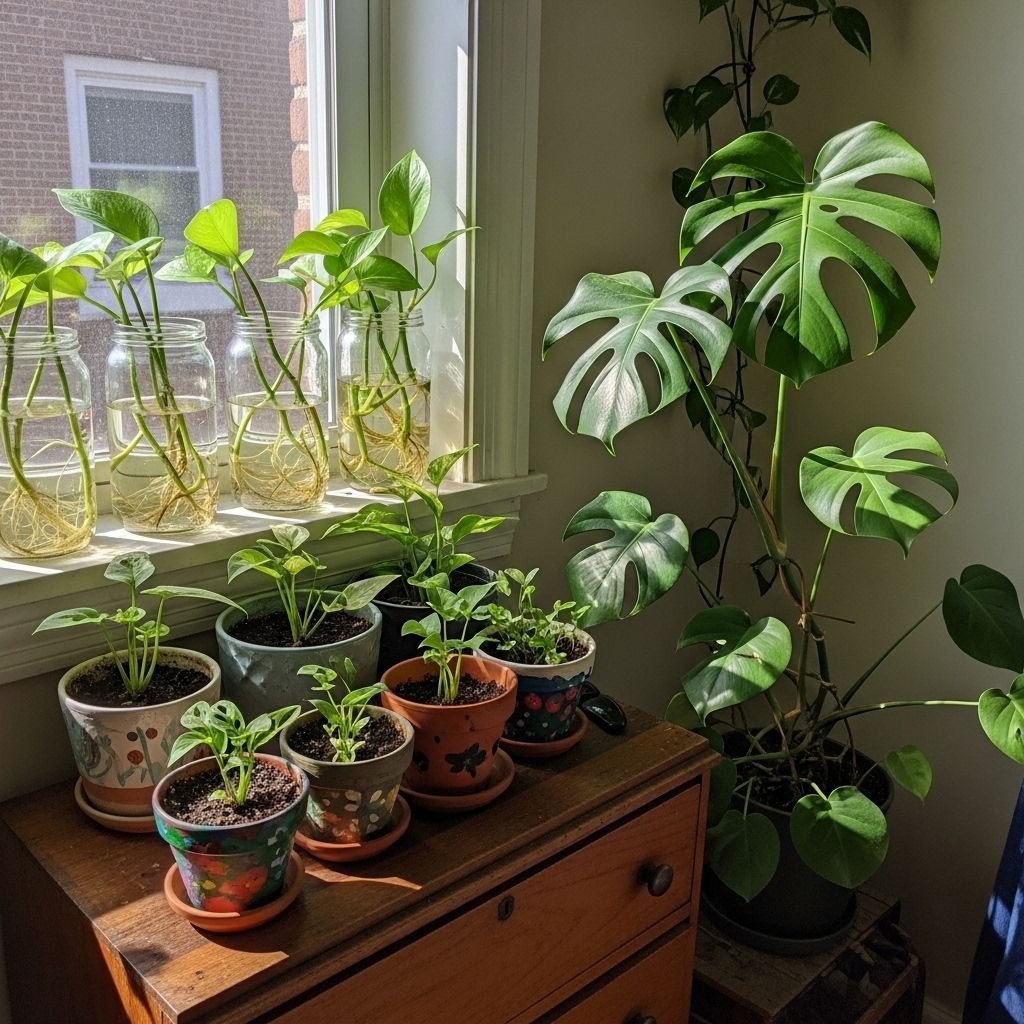
Propagation provides free plants from cuttings. Pothos, philodendron, string of hearts, and many other plants root easily in water or soil. I’ve filled my apartment and gifted dozens of plants to friends entirely from propagation. Ask plant-owning friends for cuttings, or check local plant swap groups on social media.
Starter plants from home improvement stores cost a fraction of specialty nursery prices. I’ve purchased 4-inch pothos, snake plants, and spider plants for under $5 each, then grown them into impressive specimens over time. Small plants grown large always look more impressive than expensive large plants you purchase, plus you develop stronger plant care skills.
DIY planters save money while adding personal style. I’ve painted basic terracotta pots, crafted macrame plant hangers from tutorials, and repurposed interesting containers like vintage crocks and baskets. These grow bags offer affordable, practical alternatives to expensive decorative pots while looking surprisingly stylish.
Patience remains the most budget-friendly approach. That $10 monstera will eventually become the $150 statement plant you see in stores—it just needs time. I’ve learned to appreciate growth progress rather than demanding immediate aesthetic perfection. Taking monthly photos helps track growth that feels slow day-to-day but looks dramatic over months.
Strategic splurges make sense for statement pieces. I allocate most of my plant budget to small, inexpensive varieties, then occasionally invest in one larger specimen or special variety. This balanced approach creates instant impact from the large plant while building collection depth with smaller ones.
FAQ: Your Indoor Plants Aesthetic Questions Answered
What are the easiest aesthetic indoor plants for beginners?
Pothos, snake plants, and ZZ plants top the list for beginner-friendly aesthetic options. These plants tolerate inconsistent care, adapt to various light conditions, and still deliver strong visual impact. Pothos creates beautiful trailing displays and grows quickly, providing satisfying progress. Snake plants offer architectural elegance with virtually zero maintenance. ZZ plants maintain glossy, attractive foliage even with benign neglect. All three photograph beautifully and work with any design style from minimalist to bohemian.
How do I keep my indoor plants looking Instagram-worthy?
Consistent basic care—appropriate watering, adequate light, and regular grooming—keeps plants looking their best. Dust leaves weekly so they photograph crisp and vibrant. Remove any yellowing or damaged foliage immediately. Rotate plants regularly for even, balanced growth. Choose attractive planters that complement your decor rather than leaving plants in basic nursery pots. Finally, style plants intentionally rather than randomly scattering them throughout your space. Group plants in odd numbers, vary heights, and create negative space so each plant can shine.
What’s the best low-light aesthetic plant?
Snake plants and ZZ plants thrive in low-light conditions while maintaining strong aesthetic appeal. Snake plants offer vertical, sculptural forms with striking leaf patterns that create bold statements in dim corners. ZZ plants produce glossy, architectural foliage that stays attractive even with minimal light. Pothos also tolerates low light reasonably well, though growth slows compared to brighter locations. If your space truly lacks natural light, consider supplementing with indoor plant LED grow lights positioned to look like intentional lighting fixtures rather than obvious plant equipment.
How many plants do I need for an aesthetic space?
Quality trumps quantity for aesthetic plant styling. Three to five well-chosen, properly sized plants styled intentionally create more visual impact than dozens of small plants scattered randomly. Start with one statement plant like a fiddle leaf fig or large monstera, then add 2-4 supporting players in varying sizes. This creates cohesive groupings without overwhelming your space. You can always add more plants gradually, but starting with fewer allows you to learn each plant’s needs and appreciate individual specimens. Overcrowding often looks cluttered rather than lush.
Do aesthetic plants need expensive planters?
Attractive planters enhance aesthetic appeal but don’t require huge budgets. Coordinate inexpensive planters through consistent color—all white, all terracotta, or all neutral tones—which looks more intentional than random expensive pots. Basic ceramic planters from home improvement stores look surprisingly high-end when plants are healthy and well-styled. Alternatively, keep plants in simple nursery pots and use decorative cache pots only in high-visibility locations. Focus investment on plant health and strategic placement rather than expensive containers for every specimen.
Creating an aesthetic indoor plant collection has genuinely transformed my living space and daily quality of life. That conversation with Emma three years ago set me on a journey that continues bringing joy, accomplishment, and beauty into my home. Walking into a thoughtfully planted space feels fundamentally different than entering a bare, plant-free environment—it’s the difference between a house and a home.
You don’t need expertise, unlimited funds, or perfect conditions to create your own plant aesthetic. Start with one or two forgiving plants that appeal to you, invest in decent planters, and position them thoughtfully. Learn from inevitable mistakes, celebrate small successes like new growth and successful propagation, and gradually build your collection. The plants will teach you what they need—just pay attention and respond. Before you know it, you’ll be the one friends visit for plant inspiration, sharing cuttings and advice with the next generation of aesthetic plant enthusiasts.