
Last summer, I watched my camping buddy devour another gas station hot dog while I enjoyed a colorful quinoa salad packed with fresh vegetables and protein. By day three of our trip, he was feeling sluggish and battling digestive issues, while I maintained steady energy levels for all our hiking adventures. That experience reinforced my belief that healthy eating doesn’t have to stop when you leave your kitchen behind—in fact, it becomes even more important when your body needs sustained fuel for outdoor activities.
Many people assume camping means surviving on processed foods, sugary snacks, and heavy comfort foods that leave you feeling tired and bloated. The truth is that with proper planning and simple techniques, you can enjoy delicious, nutritious meals that actually enhance your camping experience by providing steady energy, better sleep, and improved overall well-being during your outdoor adventures.
Whether you’re car camping with full kitchen facilities or backpacking with minimal cooking equipment, this comprehensive guide shows you how to plan, prepare, and enjoy healthy meals that fuel your outdoor adventures while satisfying your taste buds. For comprehensive camping preparation strategies, check out our camping for beginners guide that covers fundamental outdoor skills, and explore detailed meal planning resources at Eatingwell’s camping recipes for additional inspiration.
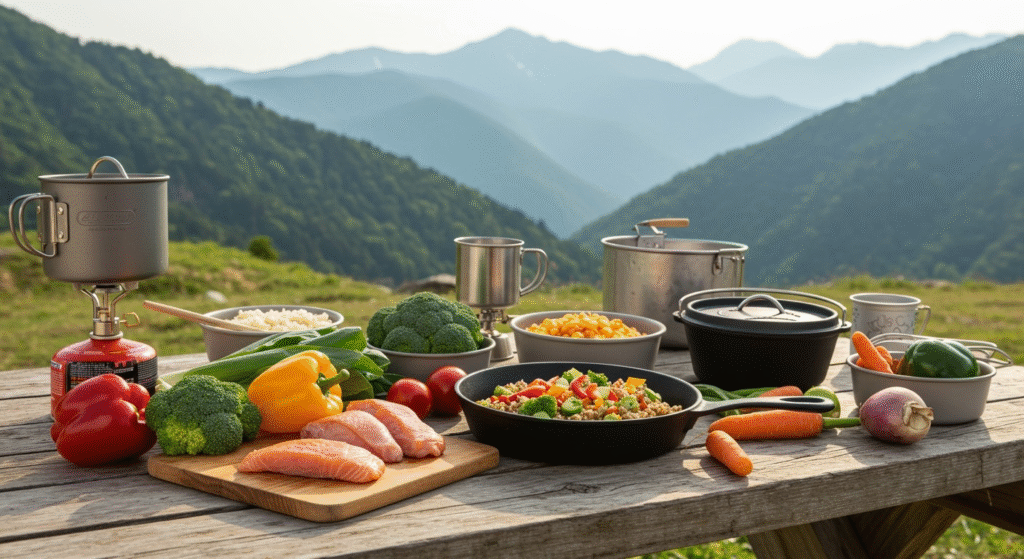
Why Healthy Eating Matters While Camping
Outdoor activities demand more from your body than typical daily routines, making proper nutrition crucial for energy, recovery, and overall enjoyment of your camping experience.
Energy Requirements for Outdoor Activities
Hiking, swimming, setting up camp, and other outdoor activities can burn 300-600 calories per hour, depending on intensity and body weight. Your food becomes fuel that directly impacts your ability to enjoy activities and recover for the next day’s adventures.
Complex carbohydrates provide sustained energy that prevents the energy crashes common with sugary snacks. Protein supports muscle recovery after long hiking days, while healthy fats provide concentrated energy and help you feel satisfied longer between meals.
Proper hydration works hand-in-hand with nutrition to maintain energy levels and prevent fatigue. Many camping foods are higher in sodium than home meals, making adequate water intake even more important for maintaining energy and preventing dehydration.
Sleep Quality and Nutrition Connection
Heavy, processed camping foods can disrupt sleep quality, leaving you tired and less able to enjoy outdoor activities. Foods high in sugar and unhealthy fats can cause blood sugar spikes and crashes that interfere with restful sleep.
Lighter, nutrient-dense meals promote better digestion and more comfortable sleep. Complex carbohydrates can actually promote sleep by supporting serotonin production, while adequate protein helps maintain stable blood sugar throughout the night.
Timing your meals properly also affects sleep quality. Eating large meals too close to bedtime can cause discomfort, while going to bed hungry can lead to restless sleep and midnight wake-ups.
Digestive Health During Travel
Camping often involves changes in routine, different water sources, and limited bathroom facilities that can affect digestive health. Fiber-rich foods help maintain regularity, while probiotic foods support digestive health during travel.
Avoiding excessive processed foods, artificial additives, and unfamiliar foods reduces the risk of digestive upset that can ruin camping trips. Staying hydrated and eating familiar, wholesome foods helps your digestive system adapt to camping conditions more easily.
Impact on Outdoor Performance
The quality of your food directly affects your outdoor performance and enjoyment. Clean, nutrient-dense foods provide steady blood sugar levels that maintain focus and energy during challenging hikes or water activities.
Antioxidant-rich foods help combat the increased oxidative stress from sun exposure and physical activity. Vitamins and minerals from whole foods support immune function, which can be compromised during travel and increased activity levels.
Mental clarity and mood stability also improve with better nutrition. Outdoor adventures are more enjoyable when you feel energetic, focused, and positive—all benefits of eating well while camping.
For comprehensive camping nutrition strategies, explore our camping food ideas guide that covers meal planning basics.
Nutritious Breakfast Ideas for Outdoor Adventures
Starting your day with a healthy, energy-rich breakfast sets the foundation for successful outdoor activities while providing sustained fuel for morning adventures.
Make-Ahead Breakfast Options
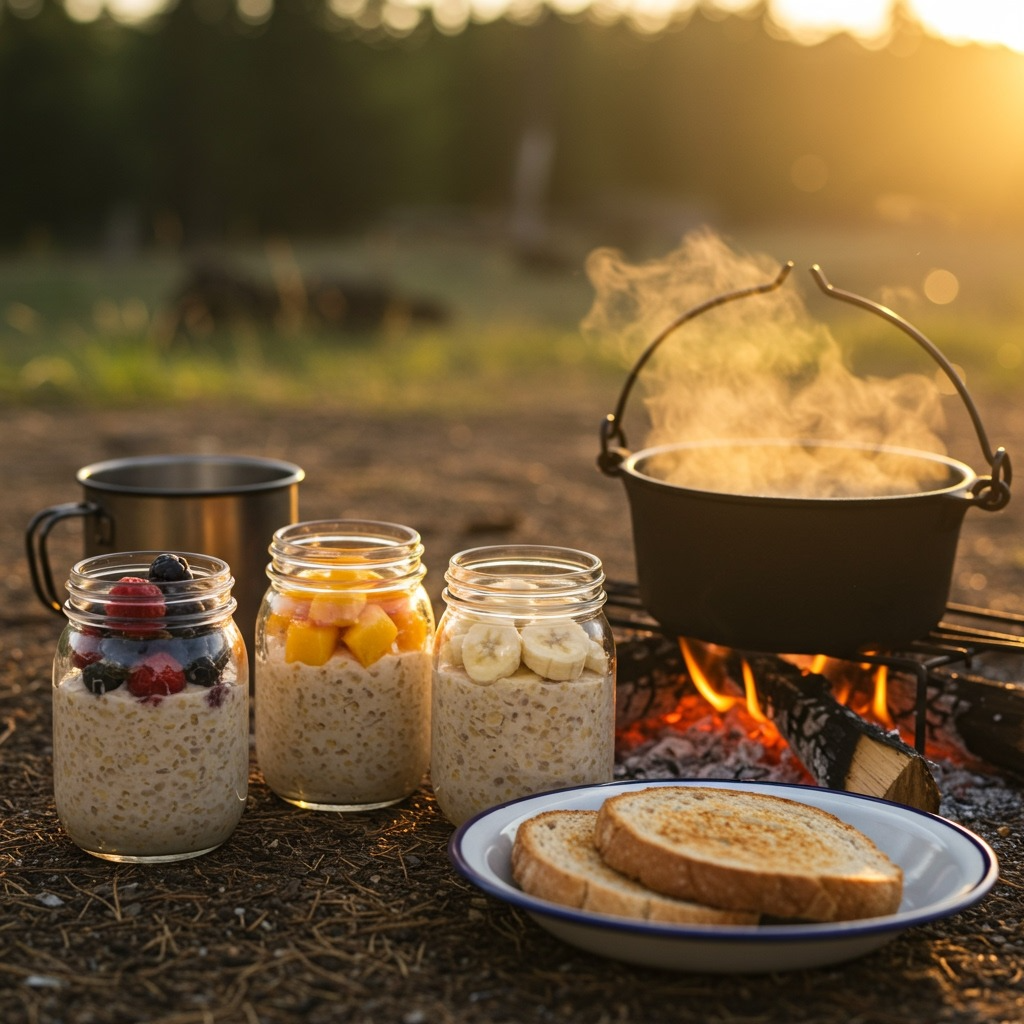
Overnight oats provide the perfect no-cook camping breakfast that you can prepare before your trip. Combine rolled oats, milk (dairy or plant-based), chia seeds, and your favorite mix-ins in mason jars. Add fresh or dried fruit, nuts, seeds, and natural sweeteners like honey or maple syrup.
The beauty of overnight oats lies in their versatility and convenience. Prepare multiple jars with different flavor combinations—apple cinnamon, berry vanilla, or chocolate peanut butter—so you have variety throughout your trip without morning preparation time.
Energy balls made from dates, nuts, seeds, and dried fruit provide portable, nutrient-dense breakfast options that require no cooking or cooling. Make these at home and store in airtight containers for grab-and-go morning fuel.
Homemade granola travels well and pairs with fresh fruit, yogurt, or milk for a satisfying breakfast. Making your own allows you to control sugar content and include your preferred nuts, seeds, and dried fruits.
Chia pudding prepared the night before offers omega-3 fatty acids, fiber, and protein in a creamy, satisfying format. Mix chia seeds with milk and natural sweeteners, then top with fresh fruit and nuts in the morning.
Hot Breakfast Preparations
Campfire oatmeal elevates basic oatmeal into a hearty, warming breakfast perfect for cool mornings. Use steel-cut or rolled oats as a base, then add fresh or dried fruit, nuts, seeds, and spices like cinnamon or vanilla.
Prepare oatmeal in large batches to serve multiple people efficiently. Top with fresh berries, sliced bananas, chopped nuts, or a drizzle of honey for added nutrition and flavor. Consider adding protein powder to increase the protein content for active days.
Healthy pancakes can be made camping-friendly by using whole grain flours, adding protein powder, or incorporating mashed bananas for natural sweetness. Prepare dry mixes at home and just add wet ingredients at camp for quick preparation.
Breakfast scrambles combine eggs with fresh vegetables, herbs, and lean proteins like turkey sausage or Canadian bacon. Cook in cast iron skillets over the campfire for a hearty, protein-rich start to active days.
Sweet potato hash provides complex carbohydrates and vitamins while being naturally sweet and satisfying. Dice sweet potatoes and cook with onions, peppers, and spices for a nutritious side dish or main meal base.
Quick and Portable Options
Greek yogurt parfait layers provide protein, probiotics, and fresh fruit in a convenient format. Pack yogurt in a cooler and layer with granola and berries in cups or bowls for individual servings.
Whole grain toast with natural nut butter and sliced fruit offers balanced nutrition with healthy fats, protein, and complex carbohydrates. Choose bread that travels well and won’t get crushed in your camping supplies.
Smoothie ingredients can be pre-portioned and frozen in bags before your trip. Add liquid and blend (if you have power) or shake in water bottles for a nutritious drink that’s especially appealing in warm weather.
Hard-boiled eggs prepared before your trip provide convenient protein that pairs well with fresh fruit, whole grain toast, or vegetable sticks. They’re budget-friendly and versatile for multiple meal applications.
Breakfast wraps using whole-grain tortillas can be filled with scrambled eggs, vegetables, cheese, and salsa for portable, handheld meals that are easy to eat while breaking camp or during early morning activities.
For detailed breakfast planning, check out our comprehensive camping breakfast ideas collection.
Nutritious Lunch Solutions for Active Days
Midday meals during camping need to provide sustained energy without being too heavy, while being practical to prepare and eat during active outdoor adventures.
No-Cook Lunch Options
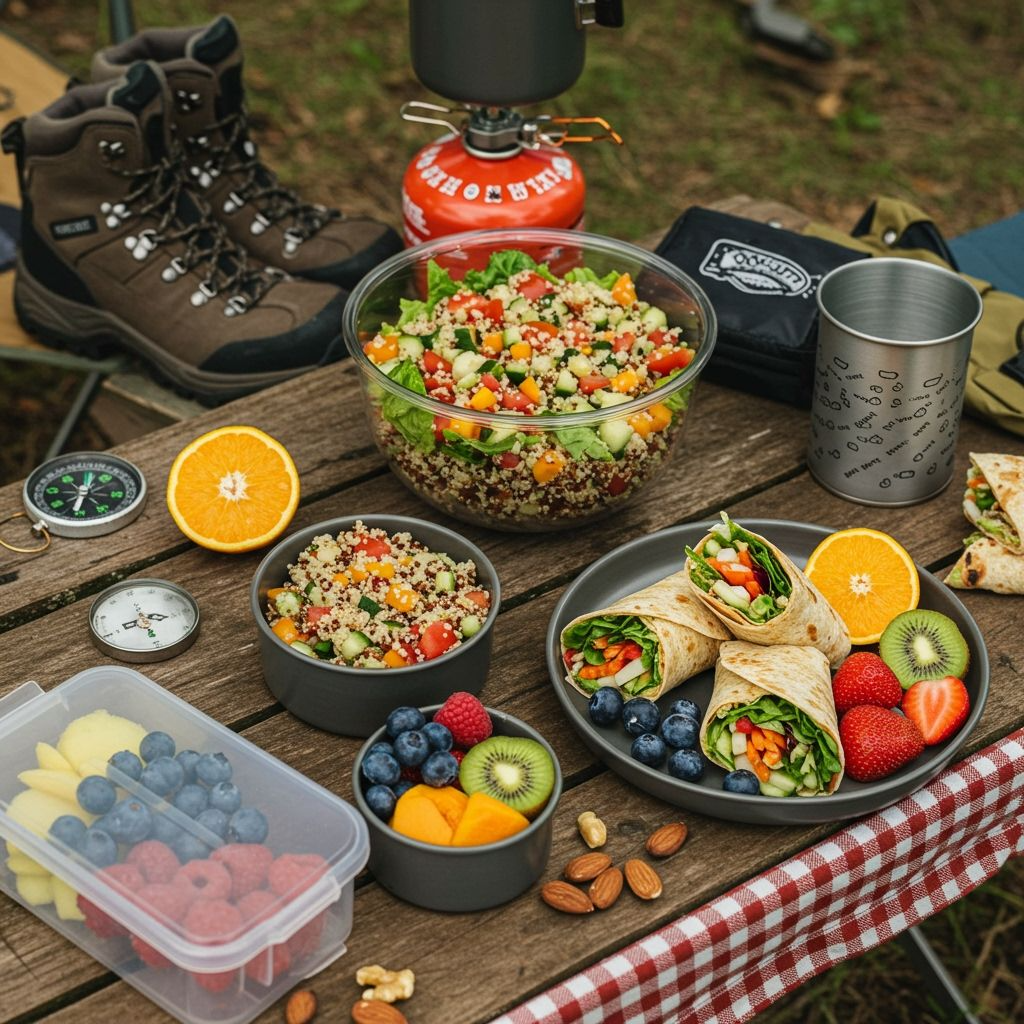
Grain-based salads like quinoa, bulgur, or wild rice salads pack well, improve in flavor over time, and provide complete nutrition. Prepare these at home with vegetables, herbs, nuts, and protein sources like beans or cheese.
These salads work well because they don’t require heating and actually taste better after the flavors have had time to meld. Pack in airtight containers and they’ll stay fresh for several days in a cooler.
Wraps and sandwiches using whole grain tortillas or bread provide portable, customizable meals. Fill with lean proteins, plenty of vegetables, healthy spreads like hummus or avocado, and fresh herbs for flavor and nutrition.
Wrap ingredients separately and assemble just before eating to prevent soggy tortillas. Use moisture barriers like lettuce leaves to keep wet ingredients from making bread soggy.
Mediterranean-style meals featuring hummus, whole grain pita, fresh vegetables, olives, and cheese provide satisfying nutrition without cooking. These ingredients travel well and offer healthy fats, protein, and complex carbohydrates.
Pasta salads using whole grain pasta, vegetables, protein sources, and olive oil-based dressings provide filling, satisfying meals that work well for groups. Add fresh herbs, nuts, and cheese for enhanced flavor and nutrition.
Warm Lunch Preparations
One-pot grain bowls combine cooked grains with sautéed vegetables, protein sources, and flavorful sauces for complete, warming meals. Cook quinoa, brown rice, or barley as a base, then add seasonal vegetables and your preferred protein.
These bowls work well with whatever fresh ingredients you have available, making them perfect for using up vegetables before they spoil. Top with nuts, seeds, fresh herbs, or simple vinaigrettes for added flavor and nutrition.
Hearty soups and stews provide comfort and nutrition while being easy to prepare in large batches. Bean-based soups offer complete protein and fiber, while vegetable soups provide vitamins and minerals needed for active days.
Prepare soup bases at home and finish with fresh ingredients at camp. Lentil soups, minestrone, and chickpea stews all travel well and reheat easily over camp stoves or fires.
Quesadillas using whole grain tortillas, cheese, vegetables, and optional protein sources cook quickly and provide satisfying, handheld meals. Fill with black beans, peppers, onions, and cheese for complete nutrition.
Protein-Rich Options
Bean and legume salads provide plant-based protein that’s budget-friendly and shelf-stable. Combine different beans with vegetables, herbs, and simple dressings for satisfying, nutritious meals.
Chickpea salad, black bean quinoa salad, and three-bean salad all work well for camping because they don’t require refrigeration for short periods and actually improve in flavor over time.
Hard-boiled eggs prepared before your trip provide convenient protein that pairs well with vegetables, whole grains, and healthy fats. Make egg salad with Greek yogurt instead of mayonnaise for lighter, protein-rich meals.
Tuna or salmon salad using canned fish provides omega-3 fatty acids and protein in shelf-stable formats. Mix with vegetables, herbs, and healthy dressings for satisfying meals that don’t require cooking.
Nut and seed combinations offer concentrated nutrition and healthy fats. Trail mix with nuts, seeds, dried fruit, and a small amount of dark chocolate provides quick energy and satisfaction during active periods.
Cheese and crackers using whole grain crackers and quality cheese provide protein, calcium, and satisfied hunger while being easy to pack and serve. Choose hard cheeses that travel well without refrigeration.
Creative Leftover Applications
Transform breakfast oatmeal into savory lunch bowls by adding vegetables, protein, and savory seasonings. Cold oatmeal can be surprisingly satisfying when topped with nuts, seeds, and fresh vegetables.
Dinner grains from previous meals work well in lunch salads or wraps. Cook extra quinoa, rice, or other grains at dinner to use for easy lunch preparations the next day.
Grilled vegetables from dinner can be added to wraps, salads, or grain bowls for lunch. Prepare extra vegetables when grilling to streamline next-day meal preparation.
For comprehensive camping meal strategies and group coordination tips, explore resources at The Adventure Bite’s camping meal ideas and Rejoice Nutrition’s healthy camping guides.
Healthy Dinner Recipes for Evening Satisfaction
Dinner at camp should provide recovery nutrition after active days while being satisfying and social, bringing your group together around nourishing, flavorful meals.
One-Pot Camping Dinners
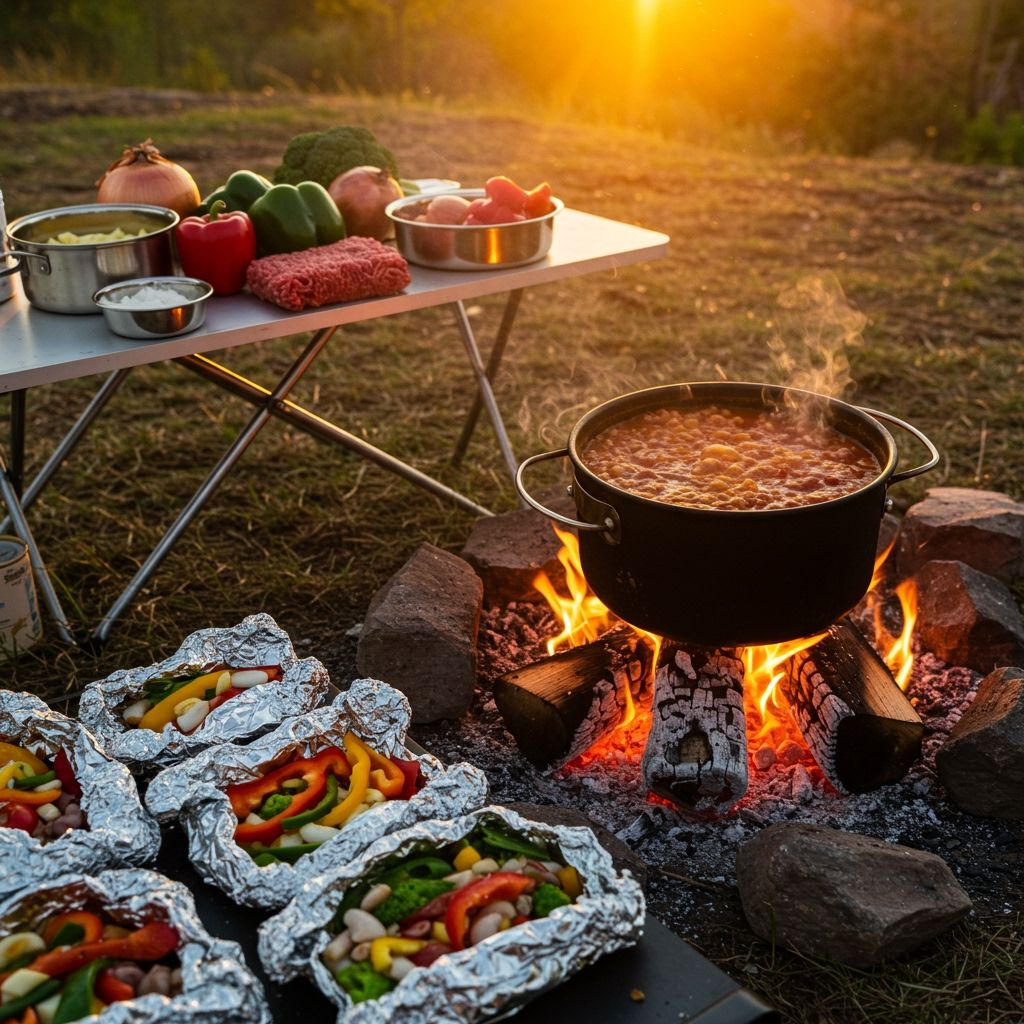
Hearty vegetable chili combines beans, vegetables, and spices into a satisfying, nutrient-dense meal that’s perfect for cool evenings. Use a variety of beans for complete protein and add plenty of vegetables like bell peppers, onions, tomatoes, and zucchini.
Chili improves with time, making it perfect for camping, where you can let it simmer while setting up camp or enjoying outdoor activities. Top with fresh herbs, avocado, or a small amount of cheese for added flavor and nutrition.
Quinoa-stuffed bell peppers provide complete protein and vegetables in an attractive, portion-controlled format. Stuff peppers with cooked quinoa, vegetables, herbs, and a small amount of cheese, then cook in Dutch ovens or foil packets over the fire.
Lentil curry offers warming spices and complete plant-based nutrition that’s perfect for camp cooking. Combine lentils with coconut milk, curry spices, and vegetables for a satisfying meal that’s naturally gluten-free and vegan-friendly.
Jambalaya using brown rice, vegetables, and your choice of protein provides a complete meal with bold flavors. This one-pot dish works well with whatever protein sources you have available and can feed groups efficiently.
Foil Packet Meals
Salmon and vegetable packets provide omega-3 fatty acids and plenty of vegetables in individual serving sizes. Place salmon fillets on aluminum foil with vegetables like asparagus, cherry tomatoes, and zucchini, then season with herbs, lemon, and olive oil.
Foil packet cooking allows for easy customization based on individual preferences and dietary restrictions. Each person can create their own combination while cooking everything together over the fire or on camp stoves.
Chicken and sweet potato packets combine lean protein with complex carbohydrates and plenty of vegetables. Season with Mediterranean herbs, Mexican spices, or Asian-inspired flavors for variety throughout your trip.
Vegetarian protein packets using tofu, tempeh, or extra beans provide plant-based options that are just as satisfying as meat-based meals. Marinate proteins before your trip for enhanced flavor and pack with sturdy vegetables that hold up well to packet cooking.
Fish and vegetable combinations work well with firm fish like cod, halibut, or trout. Add root vegetables, herbs, and healthy fats for complete nutrition in convenient individual packets.
Grilling and Skewer Options
Vegetable and protein kabobs make eating fun while providing balanced nutrition. Alternate protein sources like chicken, fish, tofu, or halloumi with colorful vegetables like bell peppers, zucchini, cherry tomatoes, and red onion.
Marinate ingredients before skewering to enhance flavors and ensure even cooking. Prepare marinades at home using olive oil, herbs, spices, and acid from citrus or vinegar for tender, flavorful results.
Grilled fish provides lean protein and cooks quickly over campfires or portable grills. Choose firm fish like salmon, trout, or bass that won’t fall apart during cooking, and season simply with herbs, lemon, and olive oil.
Portobello mushroom burgers offer satisfying plant-based alternatives to traditional burgers. Marinate large portobello caps and grill until tender, then serve on whole grain buns with fresh vegetables and healthy spreads like avocado or hummus.
Turkey or lean beef burgers made with added vegetables provide protein while being lighter than traditional beef burgers. Mix ground meat with grated vegetables, herbs, and minimal seasoning for healthier options.
Pasta and Grain-Based Dinners
Whole grain pasta with seasonal vegetables provides complex carbohydrates and plenty of nutrients. Use whatever vegetables are available and in season, and top with olive oil, herbs, and a small amount of cheese.
Risotto made with brown rice or other whole grains offers creamy satisfaction while providing better nutrition than white rice versions. Add vegetables, herbs, and protein sources for complete meals.
Stir-fried grains with vegetables and protein cook quickly and use minimal dishes. Heat oil in a large pan, add vegetables and protein, then stir in cooked grains with seasonings for fast, satisfying dinners.
Grain pilaf using bulgur, quinoa, or wild rice provides nutty flavors and interesting textures. Toast grains lightly before adding liquid, then simmer with vegetables and seasonings for flavorful side dishes or meal bases.
Smart Snacking for Sustained Energy
Healthy snacks provide sustained energy between meals and fuel for activities while avoiding the energy crashes associated with processed snack foods.
Homemade Trail Mix Combinations
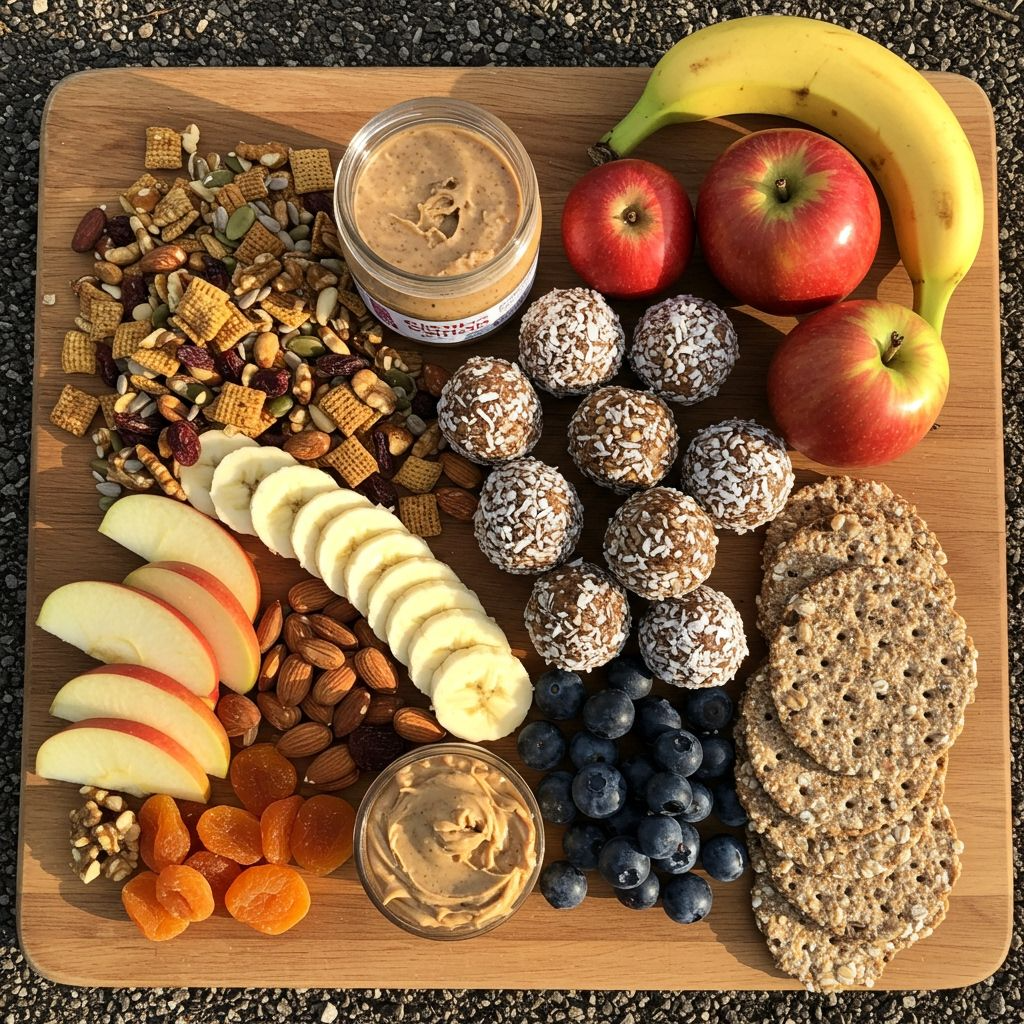
Nutrient-dense trail mix combines nuts, seeds, dried fruit, and small amounts of dark chocolate for balanced nutrition and sustained energy. Create custom blends based on your preferences and nutritional needs.
Almonds, walnuts, and cashews provide healthy fats and protein, while pumpkin seeds and sunflower seeds add minerals and crunch. Dried fruit contributes natural sugars for quick energy, while dark chocolate provides antioxidants and satisfaction.
Tropical mix featuring dried mango, coconut flakes, macadamia nuts, and cashews provides exotic flavors and healthy fats. Antioxidant mix combines goji berries, blueberries, walnuts, and dark chocolate chips for brain-healthy nutrients.
Savory mix using roasted chickpeas, nuts, seeds, and dried herbs offers protein and satisfying flavors without relying on sweet ingredients. Season with curry powder, garlic, or other spice blends for variety.
Fresh Fruit and Vegetable Options
Seasonal fresh fruits provide vitamins, minerals, and natural sugars that support energy production. Choose fruits that travel well and don’t require refrigeration for short periods—apples, oranges, bananas, and grapes are excellent camping options.
Cut vegetables like carrots, bell peppers, cucumber, and cherry tomatoes provide crunch and nutrients while being naturally low in calories. Pair with protein-rich dips like hummus or Greek yogurt-based dips for more satisfying snacks.
Dried fruits offer concentrated energy and nutrients in portable formats. Choose unsweetened varieties when possible, or mix sweet dried fruits with nuts and seeds to balance natural sugars with protein and healthy fats.
Apple slices with nut butter provide fiber, healthy fats, and protein in a satisfying combination. Pre-slice apples and store with lemon juice to prevent browning, or slice fresh when ready to eat.
Protein-Rich Snack Options
Hard-boiled eggs prepared before your trip provide convenient, complete protein that pairs well with vegetables or whole grain crackers. They’re budget-friendly and provide sustained energy without sugar crashes.
Greek yogurt with fresh fruit or nuts provides probiotics, protein, and calcium in convenient single-serving containers. Choose plain varieties and add your own fruit to control sugar content.
Homemade energy balls using dates, nuts, seeds, and minimal added sweeteners provide concentrated nutrition in bite-sized portions. Make them at home and store in the refrigerator or cooler for fresh, satisfying snacks.
Nut and seed butters with fresh fruit or whole grain crackers provide healthy fats and protein that promote satiety and sustained energy. Individual packets are convenient for camping or transferring larger containers to smaller, portable containers.
Cheese and whole-grain crackers offer protein, calcium, and complex carbohydrates in portable formats. Choose hard cheeses that travel well and crackers that won’t get crushed during transport.
Homemade Healthy Alternatives
Roasted chickpeas seasoned with spices provide plant-based protein and satisfying crunch. Make these at home and store in airtight containers for portable, nutritious snacking.
Kale chips made by dehydrating seasoned kale leaves offer nutrients and crunch without the oil and salt of commercial chips. These lightweight snacks pack easily and provide vitamins and minerals.
Fruit leather made from pureed fruit provides natural sweetness without added sugars or preservatives. Make with seasonal fruits and dehydrate for portable, long-lasting snacks.
Seed crackers using flax, chia, and other seeds provide healthy fats, protein, and fiber in crunchy, satisfying formats. Make at home and pair with cheese, nut butter, or other toppings.
For comprehensive snack planning strategies, explore our camping activities for kids guide that includes healthy snack ideas for active families.
Meal Planning and Preparation Strategies
Successful healthy camping meals require strategic planning, smart preparation techniques, and efficient systems that make nutritious eating practical in outdoor environments.
Pre-Trip Meal Preparation
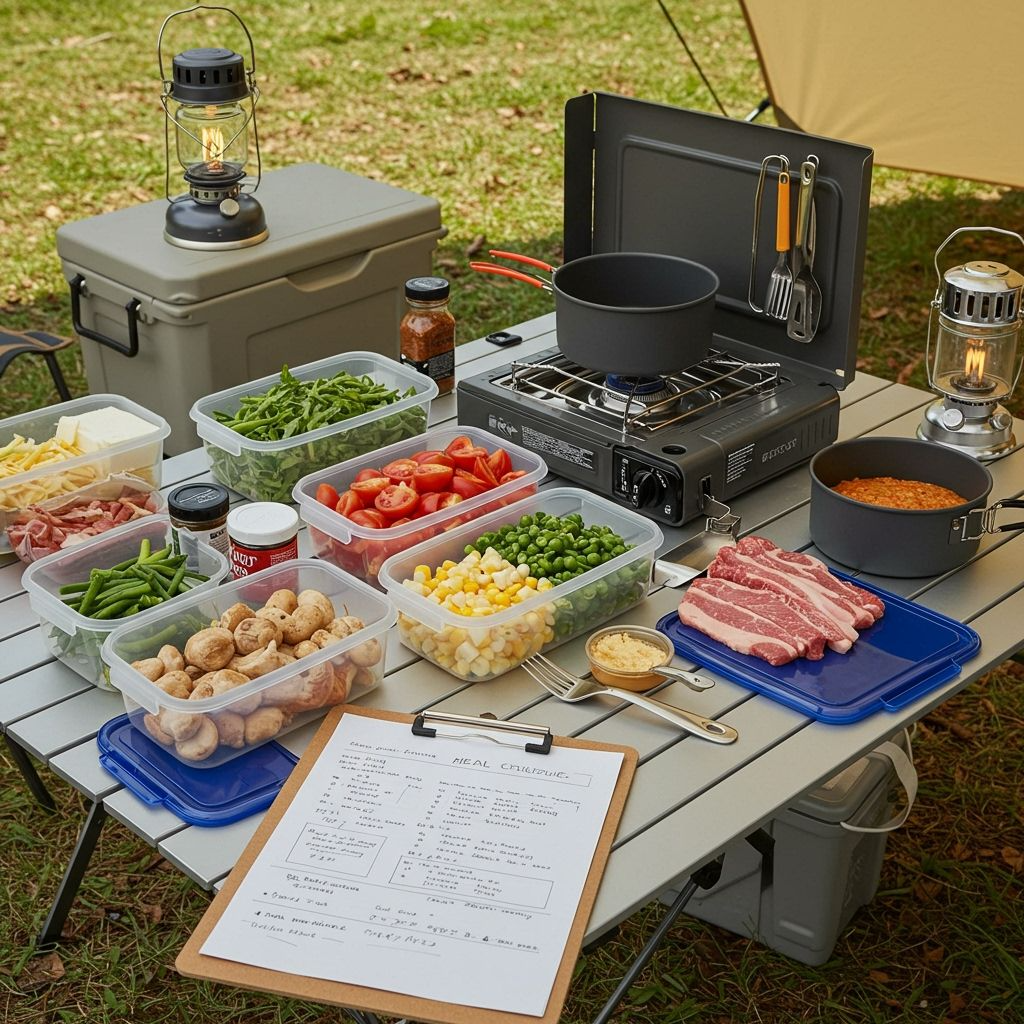
Batch cooking certain components before your trip saves time and fuel while camping. Cook grains like quinoa, brown rice, or farro in large batches, then use them throughout your trip for salads, bowls, and side dishes.
Marinade proteins before leaving home to enhance flavors and reduce preparation time at camp. Use airtight bags to marinate chicken, tofu, or vegetables, allowing flavors to develop during travel while saving space in your cooler.
Prep vegetables by washing, chopping, and storing them in appropriate containers before your trip. This preparation reduces waste, saves water at camp, and makes meal assembly much faster when you’re hungry after active days.
Portion individual servings of snacks, trail mix, and other items into reusable containers or bags. This prevents overeating, ensures fair distribution among group members, and makes it easy to grab snacks during activities.
Pre-make sauces, dressings, and spice blends at home to enhance camp meals without carrying numerous individual ingredients. Store in small, leak-proof containers and label clearly for easy identification.
Efficient Packing Systems
Cooler organization using the “first in, last out” principle helps maintain food safety and reduces rummaging that lets cold air escape. Pack items you’ll need first on top and keep frequently used items easily accessible.
Dry goods storage in airtight containers prevents spills, keeps food fresh, and protects against insects and rodents. Label containers clearly and organize by meal type for easy meal preparation.
Kitchen kit organization streamlines meal preparation by keeping essential tools together and easily accessible. Include sharp knives, cutting boards, measuring cups, and other essentials in a dedicated container or bag.
Menu planning with detailed meal schedules helps ensure you have all necessary ingredients while preventing food waste. Plan meals around shared ingredients to minimize packing and simplify shopping.
Cooking Equipment Optimization
Multi-purpose tools reduce weight and space while providing essential functionality. A good knife, cutting board, and versatile cookware can handle most camping meal preparation efficiently.
Efficient cooking methods like one-pot meals, foil packets, and no-cook options reduce cleanup time and fuel consumption while still providing nutritious, satisfying meals.
Water conservation techniques become important for washing dishes and food preparation. Use minimal water for cleaning by scraping dishes well, using biodegradable soap, and employing efficient washing systems.
Fuel management strategies help ensure you have adequate cooking fuel throughout your trip. Monitor consumption, bring backup fuel sources, and use efficient cooking methods to conserve resources.
Group Meal Coordination
Shared meal planning ensures everyone’s dietary needs and preferences are considered while avoiding food waste. Discuss restrictions, allergies, and preferences before planning meals for the entire group.
Cooking rotation distributes meal preparation responsibilities fairly while allowing everyone to contribute their skills and preferences. Assign meal responsibilities before the trip to ensure adequate preparation.
Dietary accommodation strategies ensure everyone can enjoy meals regardless of restrictions or preferences. Plan base meals that can be easily modified for different needs, and bring alternative options for those with specific requirements.
Cost sharing systems help distribute meal expenses fairly while ensuring everyone contributes appropriately to group meals. Establish clear guidelines before the trip to prevent conflicts over meal costs.
Budget management techniques help control food costs while maintaining meal quality. Plan meals around seasonal ingredients, use versatile ingredients in multiple dishes, and balance expensive items with budget-friendly staples.
Special Dietary Considerations
Camping with dietary restrictions requires additional planning, but it’s entirely possible to maintain healthy eating patterns while accommodating various nutritional needs and preferences.
Plant-Based Camping Meals
Complete protein combinations using beans and grains, nuts and seeds, or quinoa provide all essential amino acids needed for active outdoor lifestyles. Lentil and rice dishes, hummus with whole grain pita, and quinoa salads all provide complete proteins.
Nutrient density becomes especially important for plant-based camping meals to ensure adequate nutrition in smaller volumes. Focus on foods rich in iron, B12, omega-3 fatty acids, and other nutrients that require attention in plant-based diets.
Preparation strategies for plant-based camping include bringing pre-cooked beans and grains, shelf-stable plant milks, nutritional yeast for B vitamins and cheesy flavor, and plenty of nuts and seeds for healthy fats and protein.
Calcium sources like tahini, dark leafy greens, and fortified plant milks ensure adequate mineral intake without dairy products. Plan meals that include these nutrient-dense ingredients regularly.
Gluten-Free Options
Naturally gluten-free grains like quinoa, rice, and corn provide versatile bases for camping meals without requiring specialty products that may be expensive or hard to find.
Cross-contamination prevention requires dedicated preparation surfaces, separate storage containers, and careful attention to shared cooking equipment. Bring your own cutting board and utensils to ensure safety.
Substitute ingredients like gluten-free oats, corn tortillas instead of wheat, and rice noodles to provide familiar textures and flavors while maintaining dietary compliance.
Label reading becomes essential when purchasing packaged foods, as gluten can hide in unexpected places like seasonings, sauces, and processed foods.
Low-Sodium Considerations
Flavor enhancement without added salt using herbs, spices, citrus, and vinegar provides satisfying taste while reducing sodium intake. Fresh herbs, garlic, ginger, and citrus zest add significant flavor without sodium.
Processed food alternatives help reduce sodium intake since many camping convenience foods are high in sodium. Choose low-sodium or no-salt-added versions of canned goods, and rinse beans and vegetables to reduce sodium content.
Hydration balance becomes important when reducing sodium intake during active camping periods. Monitor hydration carefully and consider electrolyte replacement that doesn’t rely solely on sodium.
Fresh ingredient emphasis helps control sodium intake by focusing on whole foods rather than processed alternatives. Plan meals around fresh vegetables, fruits, and unprocessed proteins.
Food Allergy Management
Safe preparation zones prevent cross-contamination when camping with food allergies. Designate specific cutting boards, utensils, and cooking surfaces for allergen-free food preparation.
Emergency preparedness includes bringing appropriate medications, emergency action plans, and ensuring all group members understand allergy management protocols and emergency procedures.
Alternative ingredients and backup meal options ensure that people with allergies can still enjoy satisfying, nutritious meals without feeling restricted or unsafe.
Communication strategies help ensure everyone in your camping group understands allergy restrictions and how to prevent accidental exposure during meal preparation and sharing.
For comprehensive information on managing dietary restrictions while camping, visit the resources at Healthy Mama Kris’s camping meal guides and specialty diet camping resources.
Food Safety and Storage in Outdoor Environments
Maintaining food safety while camping requires understanding how outdoor conditions affect food storage and preparation, especially when refrigeration and running water aren’t available.
Temperature Control Strategies
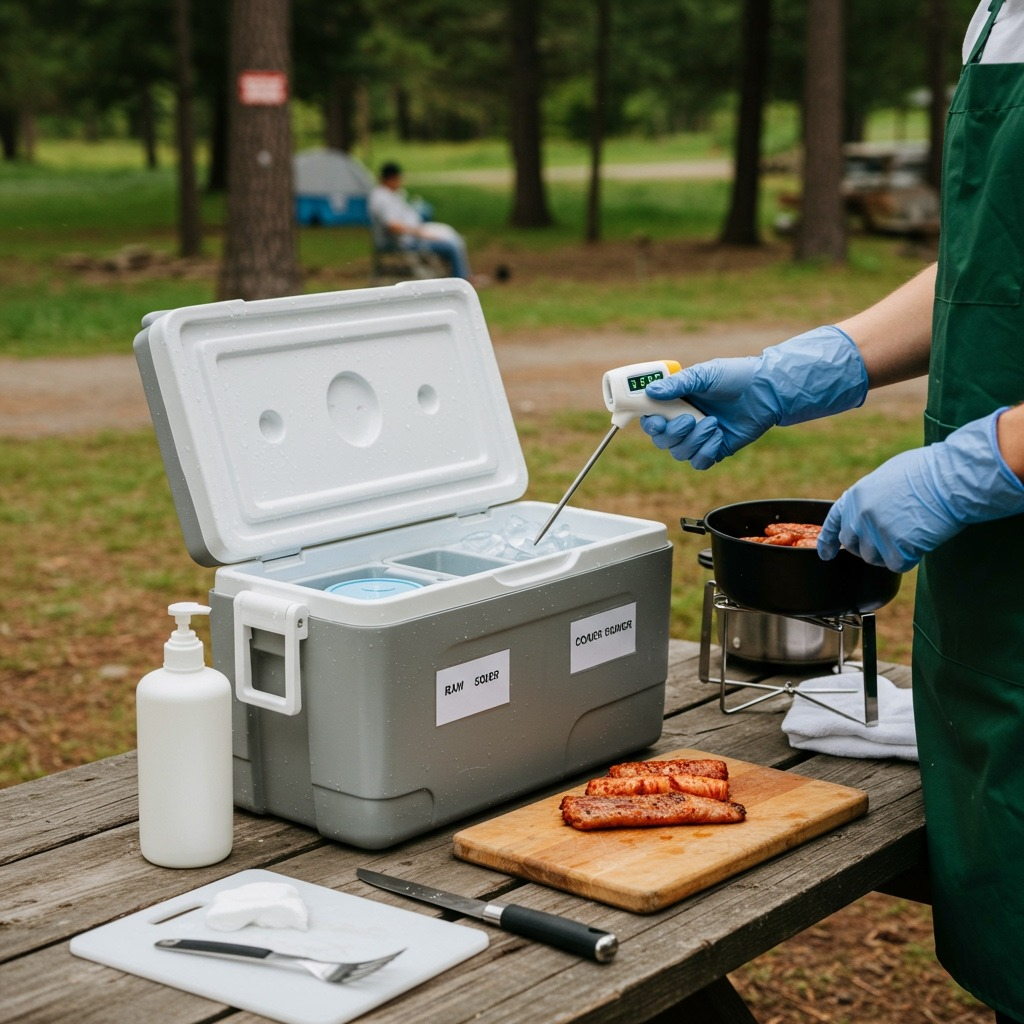
Cooler management techniques maximize food safety by maintaining proper temperatures and minimizing temperature fluctuations. Use separate coolers for drinks and food to reduce opening frequency, and pack items in reverse order of use.
Cold chain maintenance keeps perishable foods safe by understanding which items need constant refrigeration and which can safely spend short periods at room temperature. Dairy products, meat, and prepared foods require consistent cooling.
Thermometer monitoring helps ensure food safety by allowing you to verify that cooler temperatures stay below 40°F (4°C). Digital thermometers designed for coolers provide accurate, easy-to-read temperature monitoring.
Ice management strategies help maintain proper temperatures throughout your trip. Use block ice for longer cooling, and supplement with ice packs or frozen water bottles that can be reused as drinking water.
Safe Food Handling Practices
Hand hygiene becomes more challenging but equally important when camping. Bring hand sanitizer, biodegradable soap, and adequate water for washing hands before food preparation and eating.
Clean preparation surfaces prevent contamination by maintaining sanitary cutting boards, utensils, and cooking surfaces. Bring sanitizing wipes or bleach solution for cleaning surfaces between different food types.
Proper cooking temperatures ensure food safety when cooking over fires or camp stoves where temperature control can be challenging. Use meat thermometers to verify safe internal temperatures for proteins.
Time limits for perishable foods become more important in outdoor conditions where temperatures can fluctuate. Follow the two-hour rule (one hour when temperatures exceed 90°F) for foods left at room temperature.
Water Safety and Treatment
Safe water sources for cooking and drinking require understanding local water quality and appropriate treatment methods. Boiling, filtration, or purification tablets can make questionable water safe for consumption.
Washing and cleaning water should be separate from drinking water when possible. Use treated water for washing dishes and food preparation, but designate the cleanest, best-tasting water for drinking and cooking.
Gray water disposal must follow Leave No Trace principles while preventing contamination of natural water sources. Dispose of wash water at least 200 feet from natural water sources and use biodegradable soaps.
Storage considerations for treated water include using clean containers, protecting from sunlight and heat, and rotating water supplies to maintain freshness throughout your trip.
Waste Management and Cleanup
Proper trash storage prevents animal encounters while maintaining campsite cleanliness. Use bear-proof containers where required, and store all scented items properly regardless of location.
Compost management can reduce waste volume while providing nutrients for plants, but follow local regulations and Leave No Trace principles. Some areas prohibit composting, while others have specific guidelines.
Recycling considerations vary by location, so research local facilities and pack accordingly. Clean recyclables thoroughly to prevent attracting animals or creating odors.
Leftover food strategies help prevent waste while maintaining food safety. Plan portions carefully, repurpose leftovers creatively, and follow safe storage guidelines for prepared foods.
Hydration and Beverage Strategies
Proper hydration supports all aspects of healthy camping, from maintaining energy levels to supporting digestion and recovery after active days outdoors.
Water Intake Management
Increased fluid needs during camping result from physical activity, altitude changes, and often drier air that increases respiratory water losses. Plan for 1.5-2 times your normal water intake during active camping periods.
Electrolyte balance becomes important during extended activity periods, especially in hot weather or at altitude. Natural electrolyte sources like coconut water, or adding a pinch of sea salt and lemon to water, can support proper hydration.
Hydration monitoring using urine color provides a practical way to assess hydration status when precise measurements aren’t possible. Pale yellow indicates good hydration, while dark yellow suggests dehydration.
Pre-hydration strategies help ensure adequate fluid levels before activities. Drink water consistently throughout the day rather than trying to catch up when you feel thirsty.
Healthy Beverage Options
Herbal teas provide warm, comforting drinks without caffeine that can interfere with sleep. Chamomile, peppermint, and ginger teas offer various benefits while providing flavorful alternatives to plain water.
Fruit-infused water adds natural flavor and some vitamins to plain water without added sugars or artificial ingredients. Fresh fruit slices, herbs like mint, or cucumber provide refreshing alternatives that encourage increased fluid intake.
Natural fruit juices diluted with water provide some nutritional value while reducing sugar concentration. Choose 100% fruit juices and dilute 1:1 with water for refreshing drinks that aren’t overly sweet.
Coconut water provides natural electrolytes and potassium, making it excellent for rehydration after active periods. Choose varieties without added sugars for the most health benefits.
Limiting Dehydrating Beverages
Alcohol moderation supports proper hydration and sleep quality while camping. Alcohol can interfere with temperature regulation and increase dehydration, especially during active outdoor periods.
Caffeine awareness helps prevent interference with sleep and excessive diuretic effects. Enjoy coffee and tea in moderation, and avoid caffeine late in the day to support better sleep quality.
Sugar reduction in beverages prevents energy spikes and crashes while reducing empty calorie consumption. Choose water-based drinks over sugary sodas and energy drinks that can leave you feeling worse later.
Artificial sweetener considerations include understanding that some artificial sweeteners can cause digestive upset in sensitive individuals, especially during the stress of travel and outdoor activities.
Beverage Temperature Management
Cold beverage strategies help maintain refreshing drinks in hot weather. Use insulated containers, add ice when available, and store beverages in shaded areas to maintain lower temperatures.
Hot beverage preparation provides comfort during cool mornings and evenings. Pack adequate fuel for heating water, and consider thermal mugs that maintain temperature longer.
Storage solutions for beverages include using appropriate containers for different drink types, securing containers to prevent spills during transport, and organizing beverage supplies for easy access.
For comprehensive hydration guidance and outdoor safety information, explore detailed resources at Taste of Home’s camping recipes and professional outdoor nutrition guides.
Budget-Friendly Healthy Options
Eating healthily while camping doesn’t require expensive specialty foods—strategic planning and smart choices make nutritious outdoor eating affordable for any budget.
Cost-Effective Protein Sources
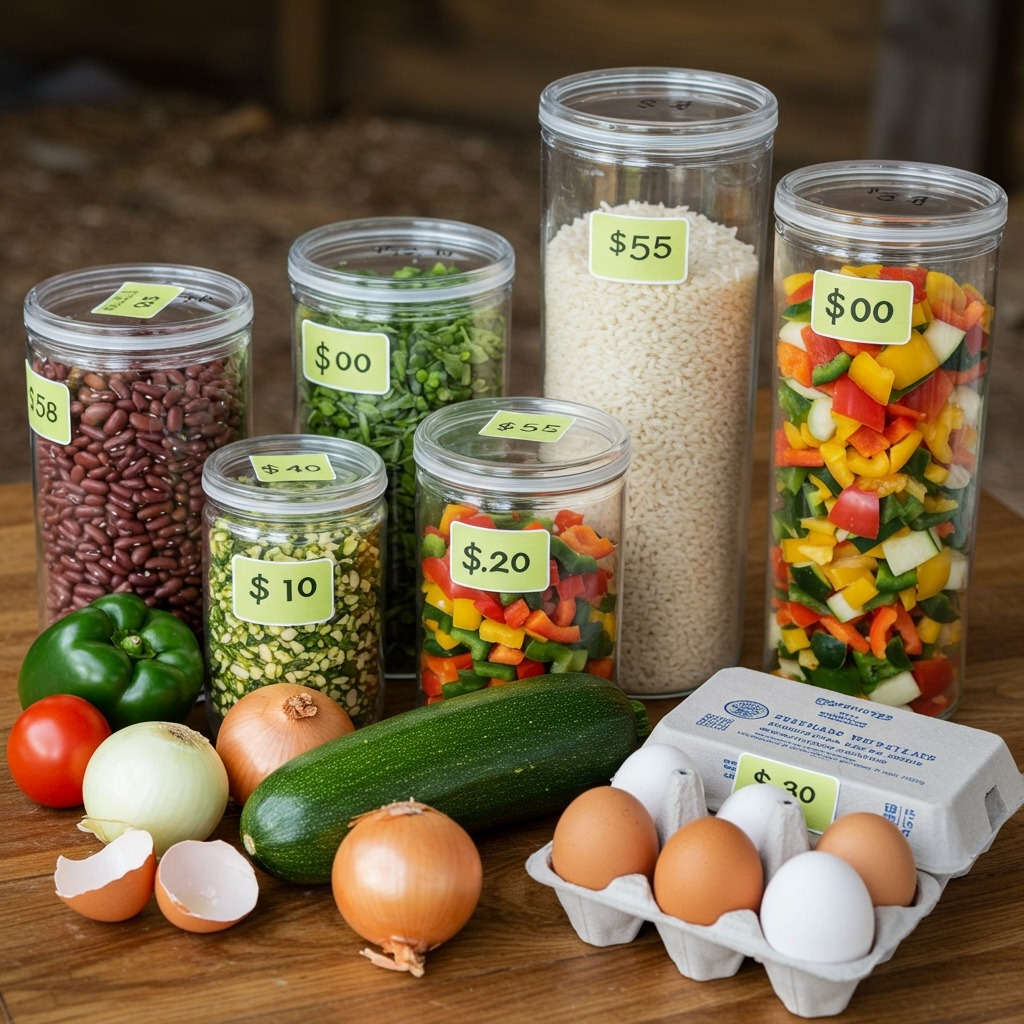
Dried beans and lentils provide extremely affordable protein that stores well and offers versatility in many different meal types. A pound of dried beans costs less than a single serving of many processed camping foods while providing multiple meals.
Eggs offer complete protein at budget-friendly prices while being versatile for breakfast, lunch, and dinner preparations. They store well in coolers and can be prepared in countless ways with simple seasonings.
Canned fish like tuna, salmon, and sardines provides omega-3 fatty acids and protein at reasonable prices. Choose varieties packed in water rather than oil to reduce calories and cost while maintaining nutritional value.
Peanut butter and other nut butters provide protein, healthy fats, and satisfaction at economical prices. Choose natural varieties without added sugars or oils for the best nutritional value and ingredient quality.
Affordable Whole Foods
Seasonal produce costs less and tastes better when you choose fruits and vegetables that are in peak season during your camping trip. Local farmers markets near camping areas often offer excellent deals on fresh, seasonal produce.
Bulk grains and nuts purchased from bulk bins cost significantly less than pre-packaged versions while allowing you to buy exactly the quantities you need for your trip.
Simple ingredients often cost less than processed camping foods while providing better nutrition and taste. Basic ingredients like oats, rice, beans, and vegetables can be combined in countless ways for varied, satisfying meals.
Frozen vegetables provide nutrition and convenience at lower costs than fresh vegetables, especially for longer trips where fresh produce might spoil before use.
Meal Planning Economics
Batch cooking reduces costs by allowing you to buy ingredients in larger, more economical quantities while reducing fuel costs through efficient cooking methods.
Versatile ingredients that work in multiple meals reduce waste and simplify shopping while ensuring you use everything you buy. Ingredients like onions, garlic, olive oil, and basic spices enhance many different dishes.
Group meal planning allows bulk purchasing and shared costs while ensuring everyone contributes fairly to meal expenses. Coordinate group purchases for staples while allowing individual choices for personal preferences.
Menu flexibility helps take advantage of sales and seasonal pricing while maintaining nutritional goals. Plan base menus that can be modified based on available ingredients and prices.
Money-Saving Strategies
Generic and store brands often provide the same quality as name brands at significantly lower costs. Compare ingredient lists and nutritional information to find the best values.
Coupon and sale coordination helps reduce costs for camping food purchases. Plan shopping trips around sales cycles and use digital coupons to maximize savings.
Buying in season and preserving excess produce through drying, freezing, or canning helps extend the value of seasonal purchases for future camping trips.
Home preparation of camping foods like trail mix, energy bars, and seasoning blends costs significantly less than purchasing pre-made versions while allowing customization for dietary preferences.
Environmental Impact and Sustainable Practices
Healthy camping meals can align with environmental values through conscious choices about ingredients, packaging, and waste management that minimize impact on natural areas.
Sustainable Ingredient Choices
Local and seasonal ingredients reduce transportation environmental costs while often providing better flavor and nutritional value. Research local farms and markets near your camping destinations for fresh, sustainable options.
Organic ingredients, when budget allows, reduce exposure to pesticides and support farming practices that protect soil and water quality in areas where you camp and recreate.
Plant-forward meals generally have lower environmental impacts than meat-heavy options. Incorporating more plant-based proteins and reducing meat consumption benefits both personal health and environmental sustainability.
Minimal packaging choices reduce waste and environmental impact. Choose loose produce over pre-packaged options, bring reusable containers, and select products with minimal or recyclable packaging.
Waste Reduction Strategies
Meal planning accuracy reduces food waste by ensuring you bring appropriate quantities without excess that spoils or gets discarded. Plan portions carefully and incorporate leftovers into subsequent meals.
Reusable containers and utensils eliminate disposable packaging waste while often providing better food storage and eating experiences. Invest in quality reusable options that last for many camping trips.
Composting programs, when allowed, reduce organic waste while returning nutrients to natural systems. Follow local regulations and Leave No Trace principles for appropriate composting practices.
Recycling awareness helps ensure recyclable materials are handled properly. Research facilities near your camping areas and clean recyclables thoroughly before storage and transport.
Water Conservation
Efficient dishwashing techniques reduce water consumption while maintaining cleanliness and food safety. Use minimal water, biodegradable soaps, and efficient cleaning systems to conserve this precious resource.
Gray water management prevents contamination of natural water sources while following Leave No Trace principles. Dispose of wash water appropriately and use biodegradable cleaning products.
Water source protection involves understanding how your activities affect local water quality and wildlife’s access to clean water sources. Camp and prepare food at appropriate distances from water sources.
A conservation mindset throughout your camping experience helps protect the natural areas you enjoy for future visitors and wildlife. Model sustainable practices that others can observe and adopt.
Frequently Asked Questions
Q: How do I maintain a healthy diet while camping without a full kitchen?
A: Focus on simple, whole food combinations that require minimal cooking. One-pot meals, no-cook salads, fresh fruits and vegetables, nuts, seeds, and pre-cooked grains provide excellent nutrition without complex preparation. Plan meals around versatile ingredients that can be used in multiple dishes.
Q: What are the best protein sources for healthy camping meals?
A: Excellent camping protein sources include eggs, canned fish, dried beans and lentils, nuts and seeds, Greek yogurt, and lean meats or poultry. Plant-based options like quinoa, hemp seeds, and nut butters provide complete proteins that don’t require refrigeration.
Q: How can I keep fresh produce fresh while camping?
A: Store produce properly in coolers with adequate ice, keep items in breathable bags rather than plastic, and use more perishable items early in your trip. Hardy vegetables like carrots, cabbage, and apples last longer than delicate greens and berries.
Q: Are there healthy alternatives to typical camping snacks like chips and candy?
A: Yes! Try homemade trail mix with nuts, seeds, and dried fruit; fresh fruit with nut butter; roasted chickpeas; vegetable sticks with hummus; or homemade energy balls. These provide sustained energy without the sugar crashes of processed snacks.
Q: How do I meal plan for camping with dietary restrictions?
A: Start with naturally compliant foods rather than trying to substitute. Focus on whole foods like fruits, vegetables, lean proteins, and appropriate grains. Bring backup options and communicate dietary needs clearly when planning group meals.
Q: What’s the easiest way to get vegetables into camping meals?
A: Add vegetables to scrambled eggs, include them in one-pot meals and soups, make colorful salads that don’t require cooking, stuff them into wraps and sandwiches, or grill them in foil packets. Pre-cut vegetables at home to make inclusion easier at camp.
Q: How much extra should I budget for healthy camping food compared to processed options?
A: Healthy camping meals can actually cost less than processed alternatives when you focus on whole grains, beans, seasonal produce, and simple preparations. While some organic or specialty items cost more, the bulk of healthy camping food—grains, beans, eggs, and seasonal vegetables—is very economical.
Q: What cooking equipment is essential for healthy camping meals?
A: A good knife, cutting board, versatile pot or pan, and reliable heat source handle most healthy meal preparation. Add a cooler, food storage containers, and basic utensils for complete camp kitchen functionality. Multi-use tools save space and weight.