
I’ll never forget the first time I tried packing fresh herbs for a weekend camping trip. My basil plant was tucked into my cooler, convinced it could survive a rugged journey. By day two, that basil looked as tired as my feet after a long hike on rocky ground. That flop inspired a question: What if I could grow fresh cooking greens at my campsite, instead of relying on limp store-bought produce? That moment began an outdoor adventure into bucket gardening—simple, portable, and surprisingly productive.
Whether you’re an avid hiker, a casual camper, or just enjoy your morning coffee surrounded by greenery, bucket gardening brings fresh veggies and herbs into your outdoor life. This guide is packed with practical routines, real-world outdoor hacks, gear tips, and relatable stories for anyone who wants more nature in their kitchen or campsite.
What Exactly Is Bucket Gardening?
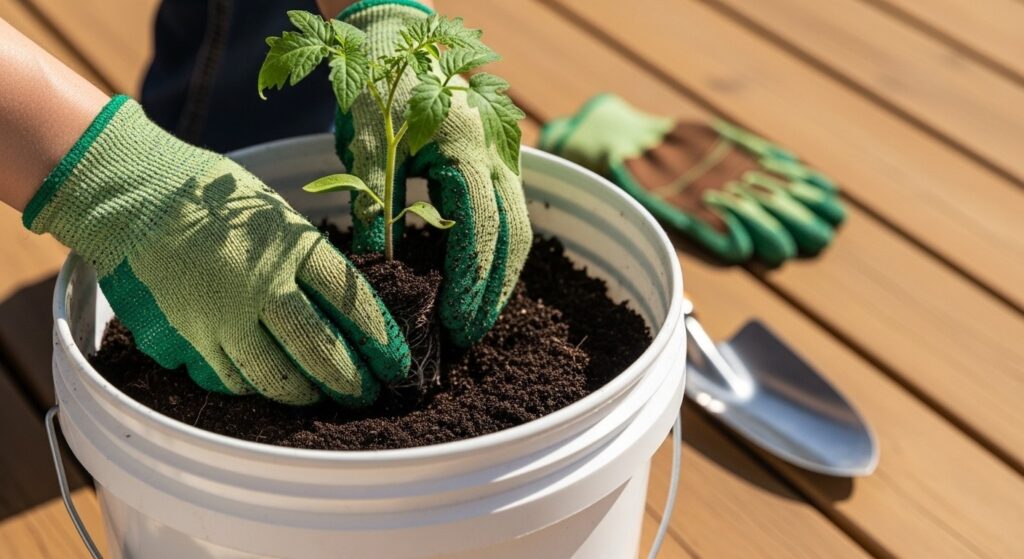
Bucket gardening is about growing vegetables, herbs, or fruit in 5-gallon buckets rather than in a garden bed. These buckets (often food-grade and free from local restaurants) are portable, versatile, and give you control over everything from soil quality to sun exposure.
There’s no need for acres of land or fancy raised beds. You build a mini-garden with buckets that can travel with you, whether you’re patio gardening in the city or setting up a grow station at your favorite camping spot. With just a few buckets, you’ll find yourself harvesting tomatoes, peppers, potatoes, and herbs—in any outdoor setting, no acres required.
Why Bucket Gardening Works for Outdoor Enthusiasts
If you love outdoor gear that “just works” and hate fiddling with things that waste your time, buckets are your best friend for growing food.
- Space Efficiency: Each bucket holds one or two plants. Cluster them together, stack vertically, or hang on fence posts and balcony railings with balcony railing planters for extra versatility.
- Portability: Swap your garden’s location if the shade moves, or bring the entire crop inside to dodge an early frost.
- Soil Control: Never fight with rocky, clay, or sandy soil again. Ideal for renters, RV campers, or anyone facing challenging ground conditions.
- Extended Growing Season: Buckets warm up fast in spring and can be sheltered in fall, giving you more days to grow.
- Minimal Weeding: The contained potting mix keeps weed seeds out. Spend more time fishing or hiking, less time pulling weeds.
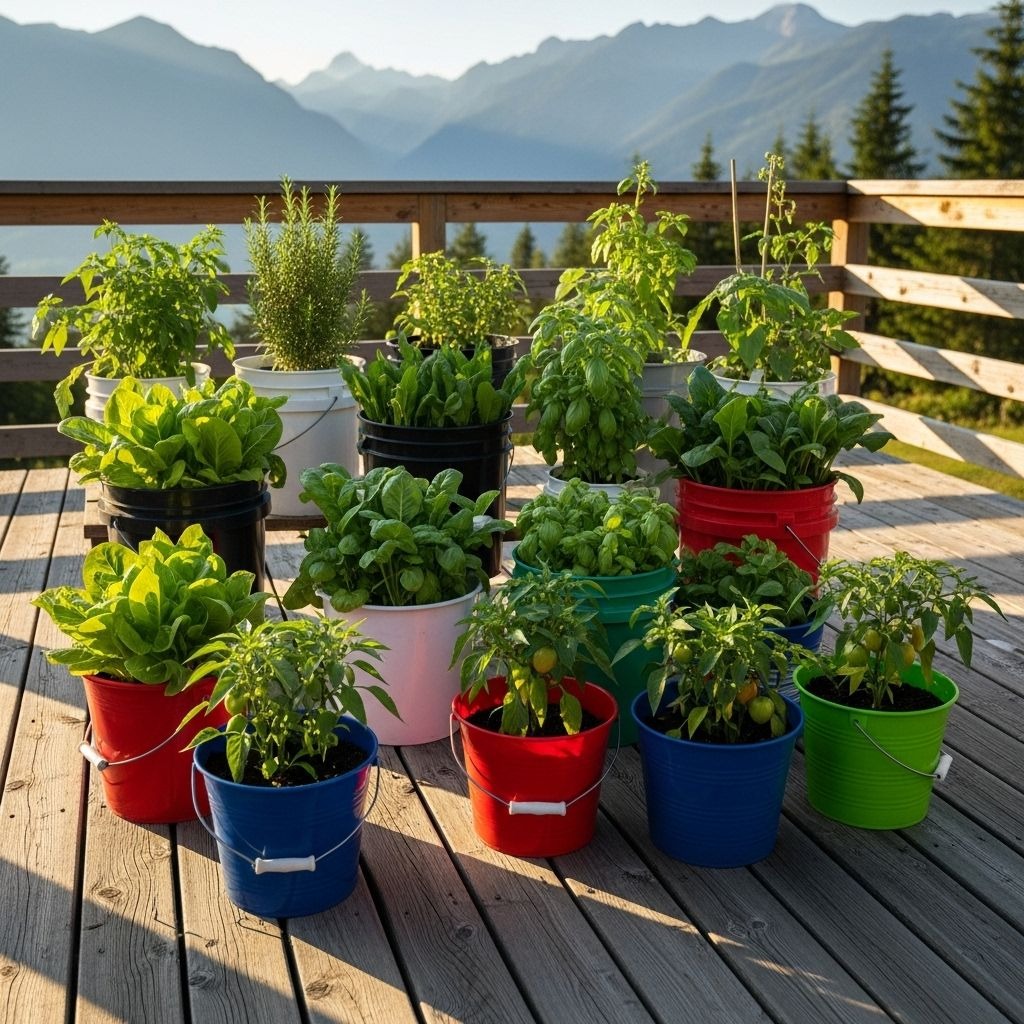
Whether you want salad greens for a riverside lunch or basil for campsite pasta night, buckets mean you bring your garden where the adventure goes.
Getting Started: What You’ll Need
Gather these essentials for your portable garden:
- 5-gallon buckets (one per plant): Look for free, food-grade buckets at restaurants and bakeries. Clean thoroughly before use.
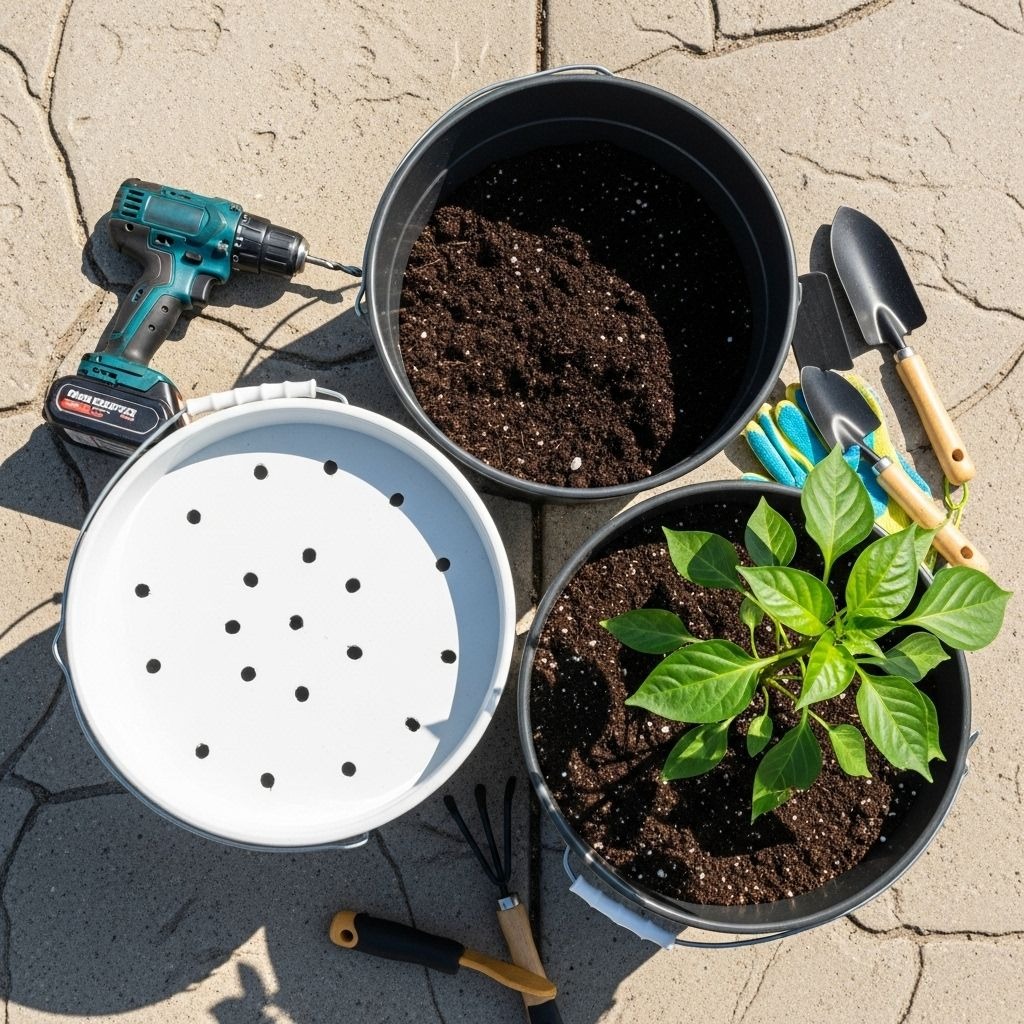
- Drill with 1/2-inch bit: For drainage holes.
- Potting soil and compost mix (50/50 blend).
- Seeds or seedlings: Opt for compact/container-friendly varieties.
- Basic garden tool set: Garden tool set with hand trowel and pruners.
- Soil pH/moisture meter: Soil pH/moisture meter for precise watering.
- Optional landscape fabric for drainage holes.
Personalize with spray paint or stickers for easy ID and cool outdoor flair.
Step-by-Step Setup Guide
Here’s a foolproof process for building your own bucket garden:
1. Drill plenty of drainage holes
Flip buckets and drill 8–10 ½-inch holes in the bottom. Consider a few along the lower sides for rainy climates. Good drainage = healthy roots.
2. Add bulk material (optional)
Layer rocks, sticks, or shards at the base to boost drainage and reduce soil waste—like packing a cooler with ice at the bottom.
3. Fill with growing medium
Mix 50/50 potting soil and compost. Fill just below the rim; don’t use garden dirt, which presses down and stifles roots. Check the blend with a soil meter to ensure the right moisture balance.
4. Plant your crops
Place seedlings or sow seeds. Follow recommended planting depth and spacing—a single tomato or pepper per bucket for best results.
5. Arrange and maintain
Position buckets in full sun (6–8 hours/day) and check daily for moisture. Buckets dry out faster than garden beds in hot weather.
Best Plants for Bucket Gardens
Not everything thrives in a bucket, but these crops are a sure bet for outdoor success:
- Tomatoes: Bush and cherry varieties are perfect. Use cages or stakes for support.
- Peppers: Bells, jalapeños, and cayenne—low maintenance, big harvest.
- Cucumbers: Compact bush types; add a trellis or a stake for vining varieties.
- Beans and Peas: Bush beans for no fuss; pole beans climb string supports if you want vertical gardening.
- Potatoes: Grow in a bucket by “earthing up”—add soil as the plant grows and harvest straight from the bucket for instant camp meals.
- Herbs: Basil, thyme, mint, and cilantro (mix compatible types in shared buckets).
- Leafy Greens: Lettuce, spinach, kale—all grow fast and offer multiple harvests.
- Squash and Zucchini: Use one plant per bucket. These are productive and hardy.
Try companion planting in each bucket: tomato + basil, or peppers + onions, to make meals easy when camping. Planting marigolds alongside vegetables adds color and deters pests.
Watering and Maintenance Tips
Plants in buckets need extra care to thrive. Focus on these simple routines:
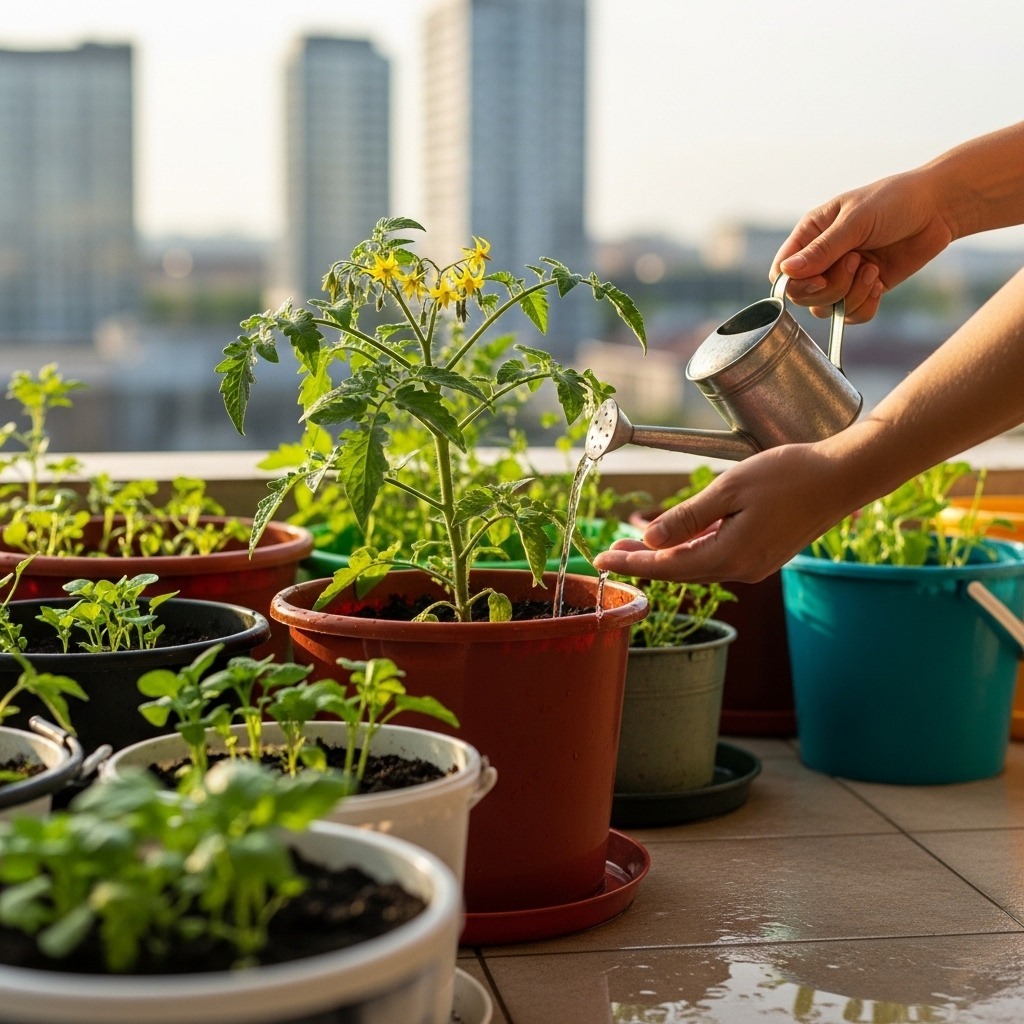
- Daily moisture check: Use your finger or a soil meter; water if the top 2 inches are dry. A watering spray mister helps for delicate herbs and seedlings.
- Mulch your soil: Add straw or wood chips on top to retain moisture and keep the roots cool.
- Go self-watering: Create a reservoir at the bottom using two buckets or add a wicking system; it works like an insulated water bottle for steady hydration.
- Feed regularly: Use diluted liquid or slow-release organic fertilizer every 2–3 weeks, or add organic fertilizer at planting.
- Monitor for pests: Elevate buckets on bricks to keep crawling bugs away. Check foliage weekly.
Common Mistakes to Avoid
Even pros mess up sometimes. Watch for these pitfalls:
- Too few drainage holes: Roots drown fast; always drill more rather than less.
- Overcrowding: Resist the urge to stuff multiple large plants into one bucket.
- Using garden soil: Poor drainage and compaction mean stunted plants.
- Watering inconsistently: Buckets dry out quickly—set a daily reminder, especially in summer.
- Ignoring sunlight: Don’t expect tomatoes or peppers to fruit in shade; most veggies require full sun.
A little extra care here means more crispy greens and fresh produce for your camping breakfasts or hiking snacks. You’ll carry home real results, not gardening regrets.
Taking Your Bucket Garden Further
Ready to step up your game? Level up with these advanced strategies:
- Vertical stacking: Cut out bucket bottoms and stack for a strawberry or herb tower.
- Succession planting: Start lettuce early, switch to peppers midsummer, finish with radishes in fall—one bucket, three harvests.
- Season extension: Use mini greenhouses (mini greenhouse) or cold frames for winter greens.
- Mobile gardens: Mount buckets on wheeled stands for easy movement—track the sun or shelter during storms.
- Grow specialty crops: Try citrus, blueberries, or even dwarf apples in larger buckets for sunny patios.
Your camping, hiking, and fishing skills transfer right to bucket gardening. Problem-solving, adapting, and small space efficiency—outdoor life is all about these habits!
Bucket Gardening Gear Checklist
Ready to get gritty? Here’s your go-to gear:
- Indoor-plant LED grow light
- Hanging plant baskets
- Balcony railing planters
- Compact hydroponic kits
- Garden tool set
- Soil pH / moisture meter
- Watering spray mister
- Organic fertilizer
- Seed starter kits
- Mini greenhouse
- Grow tents
- Portable camping tent
- Travel coffee brewer
Mix and match for any adventure. Gear links support this blog—thank you for keeping the campfire glowing!
Frequently Asked Questions About Bucket Gardening
How many drainage holes do I need?
Drill 8–10 holes in the base, spread evenly. Some gardeners add side holes for extra capacity in rainy areas.
Can I reuse buckets every year?
Absolutely! Dump the old mix, wash with diluted bleach, and let dry in the sun—ready for next season’s crop.
What’s the best soil mix for buckets?
Go with 50/50 potting soil and compost. If growing tomatoes or peppers, boost compost or add aged manure to supercharge your yields.
How often do I need to water?
Usually daily in summer. Check the top 2 inches for dryness. Mulch keeps soil moist longer.
What vegetables do best in buckets?
Tomatoes, peppers, beans, greens, potatoes, cucumbers, and most herbs. Start with dwarf/container varieties when possible.