
Tired of endless waiting, hoping, and coming home empty-handed? When it comes to catfish, you’re not just fishing; you’re playing a scent game. These whiskered giants are built to sniff out their next meal, and if you don’t have the right olfactory appeal on your hook, you might as well be using a bare one.
Forget the myth of one magical, universal “best catfish bait.” The truth is more nuanced, more strategic, and far more rewarding. Catfish preferences change based on species, season, water conditions, and even what they’ve been eating recently. So, how do you cut through the noise and put the most effective bait on your line every single time? If you’re just getting started on your angling journey, understanding these basics is key to a successful outing and learning how to start fishing right.
Ready to unravel the secrets of catfish attraction? This isn’t just a list of baits; it’s a deep dive into the science, the art, and the practical application of irresistible offerings. You’ll learn to understand their incredible senses, discover specific baits for different species, and get pro tips on presentation that other anglers miss. Let’s get you hooked up with the best catfish bait for your next big catch.
Understanding Catfish: The Scent-Driven Predator
To consistently catch catfish, you need to think like one. What drives these fascinating creatures? Their unparalleled senses, particularly their sense of smell, are key.
Superior Sense of Smell: Their Primary Hunting Tool
Imagine being able to detect a single drop of something in an Olympic-sized swimming pool. That’s how sensitive a catfish’s sense of smell can be. Their entire body, especially their long, prominent whiskers (barbels), are covered in chemoreceptors—taste buds that act like super-sensitive noses.
This is why “stinky” or “oily” baits are so effective. Catfish don’t just find food; they track it. A powerful scent trail leads them directly to your hook, even in murky water or low light conditions where sight is less useful. The more pungent, the more attractive it often is.
Taste and Touch: More Than Just Smell
While smell is primary, taste and touch are equally important. Once a catfish finds your bait, its entire body, especially its skin, is covered in taste buds. They “feel” and “taste” the bait thoroughly before committing. This is why soft, squishy, or oily baits often work better than hard, bland ones. They need to confirm it’s worth eating.
Species-Specific Preferences: Not All Catfish Are the Same
Just like humans have different food preferences, so do different species of catfish. Understanding these distinctions is crucial for selecting the right bait. This kind of specialized approach is similar to targeting other popular game fish, like mastering techniques for bass fishing.
- Channel Catfish: These are the most common and widespread. They are true omnivores and scavengers. They love strong, decaying smells – think rotten or fermented. They’ll eat almost anything, from prepared baits to natural offerings.
- Blue Catfish: Often the largest of the three major species, blues are primarily piscivores, meaning they prefer fish. Fresh cut bait is their undeniable favorite. While they’ll hit other baits, fresh fish is your top choice for blues, especially big ones.
- Flathead Catfish: These are the apex predators of the catfish world. Unlike channels and blues, flatheads almost exclusively prefer live bait. They are sight-hunters and will aggressively strike a struggling live fish. Using anything but live bait for flatheads is often a waste of time.
The Best Natural Baits: Tried & True Classics
When you want to tap into a catfish’s natural instincts, nothing beats fresh, natural bait. These are the workhorses that have consistently delivered big results for generations of anglers. Selecting the right types of fishing rods can also make a big difference in how well you cast and retrieve these natural offerings.
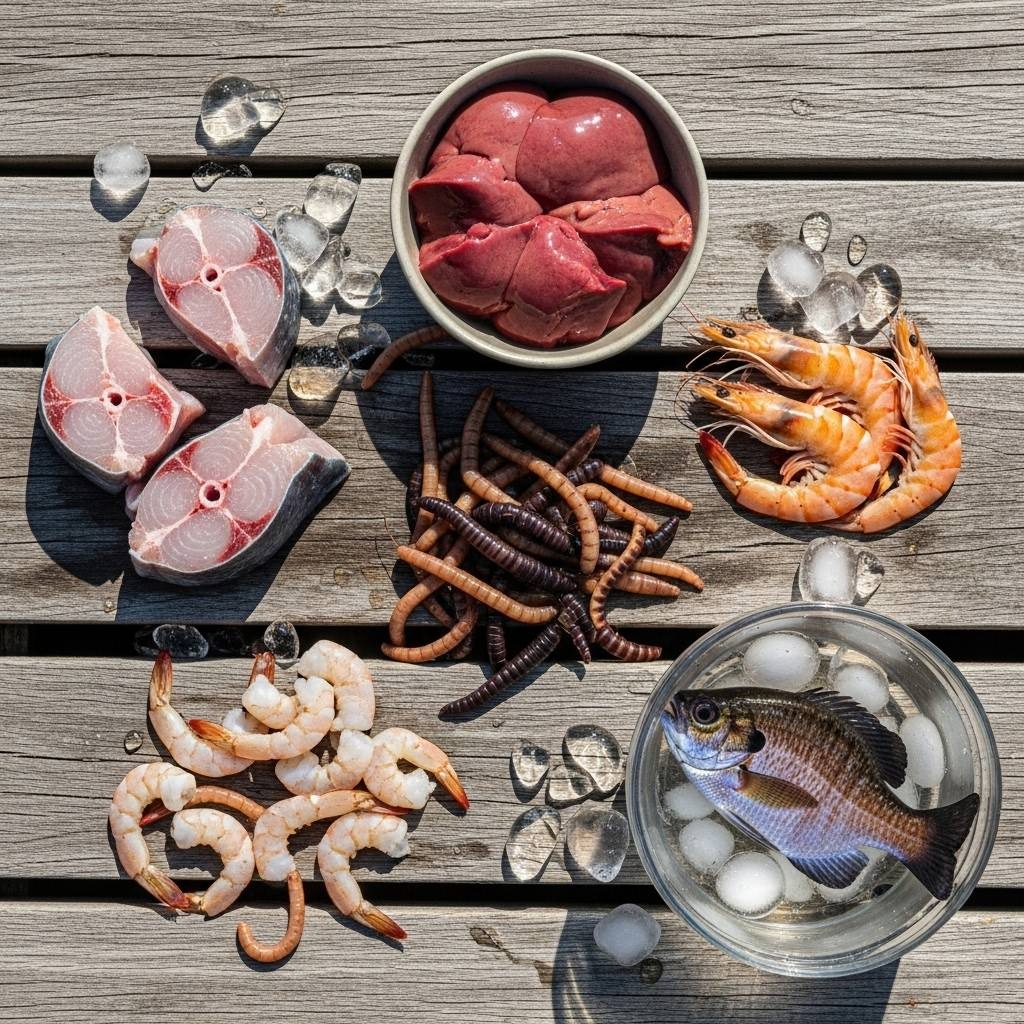
A. Cut Bait: The Universal King
If there’s one bait to master for blue and channel catfish, it’s cut bait. It’s simply pieces of fish, and its effectiveness comes from the natural oils and scents released into the water.
- Types: Shad, herring, sunfish, carp, and even mackerel are excellent choices. Use what’s native and abundant in your fishing area.
- Fresh vs. Stinky: For big blue catfish, the fresher the cut bait, the better. For channel cats, a slightly aged (but not rotten) piece can be even more attractive due to increased scent.
- Preparation: Fillet the fish, then cut it into chunks or strips roughly 1-2 inches long. You want enough meat to stay on the hook but expose plenty of flesh for maximum scent.
B. Chicken Liver: The Oily, Messy Magnet
Chicken liver is a classic for channel catfish, and for good reason. It’s incredibly smelly and oily, creating a potent scent trail.
- Pros: Very strong odor, widely available, and inexpensive.
- Cons: It’s notoriously difficult to keep on the hook due to its soft, mushy texture.
- Tips: Thread it onto a treble hook, use a bait holder rig, or even cure it slightly with garlic powder or salt to firm it up. Some anglers wrap it in a small piece of nylon stocking to keep it from flying off.
C. Nightcrawlers & Worms: An Easy Go-To
Don’t underestimate the humble worm. While often associated with panfish, a big wad of nightcrawlers can be irresistible to catfish, especially smaller channels.
- Pros: Easy to find at any bait shop, universally appealing, and good for getting bites when other baits fail.
- Tips: Use multiple worms on a hook to create a larger, more enticing target. Their wiggling motion adds attraction.
D. Live Bait: Essential for Flatheads
If you’re targeting flathead catfish, live bait is not just an option, it’s virtually a requirement. Flatheads are aggressive predators that prefer to hunt live prey.
- Types: Bluegill, perch, goldfish, suckers, or large minnows are excellent choices. Use species native to your fishing waters and check local regulations on baitfish usage.
- Importance of Lively Bait: The movement of the live bait is what triggers the flathead’s predatory instinct. Keep your baitfish healthy and active in a livewell.
- Rigging: Hook the baitfish through the back (above the lateral line, avoiding the spine) or through the lips. This allows them to swim naturally and stay alive longer.
E. Shrimp: Both Fresh & Frozen
Shrimp, both fresh and frozen, can be surprisingly effective for catfish, particularly channels.
- Pros: Convenient to buy at any grocery store, good scent profile.
- Tips: Peel the shrimp to expose more of its flesh and release more scent. Allowing frozen shrimp to thaw and sit for a short time (an hour or two, not days) can also enhance its odor.
F. Other Natural Baits: Hot Dogs, Corn, and More
Catfish are opportunistic. Don’t be afraid to experiment:
- Hot Dogs: Cut into chunks, hot dogs release a good amount of oil and scent. You can even soak them in garlic powder or Kool-Aid for extra appeal.
- Corn: While typically for carp, channel catfish will sometimes nibble on corn, especially when chumming.
- Small pieces of meat: Leftover chicken, beef, or even bacon can sometimes land a channel cat.
The Best Prepared & Manufactured Baits: Convenience & Potency
For anglers who prefer convenience or want to capitalize on catfish’s legendary sense of smell with concentrated power, prepared baits are a game-changer. These are designed to leak scent for extended periods.
A. Stink Baits: Designed for Maximum Odor
This category is engineered for pure, unadulterated smell. They come in various forms, each designed to release potent odors.
- Types:
- Dip Baits: Very gooey and sticky, designed to be “dipped” onto a worm-like lure or a specialized bait holder. They create a massive scent cloud.
- Punch Baits: Thicker, fibrous baits that you “punch” your hook into, allowing the fibers to cling to the hook, keeping the bait on longer.
- Dough Baits: Kneadable baits that you mold around your hook.
- Consistency Matters: The best stink baits are soft enough to continuously leach scent into the water but firm enough to stay on your hook when cast or during nibbles.
- Tips: Always check the consistency. If it’s too runny, it won’t stay. If it’s too stiff, it won’t release enough scent. Use the specialized bait holders or worms designed for these baits. Re-apply often, especially in current.
B. Punch Baits: A Special Kind of Stink Bait
A sub-category of stink baits, punch baits are notable for their fibrous, often cotton-like consistency. You use a “punching tool” or a stick to push your hook into the bait, forcing the bait’s fibers around the hook. This makes them incredibly sticky and durable on the hook, despite their strong scent release. They’re excellent for channel cats.
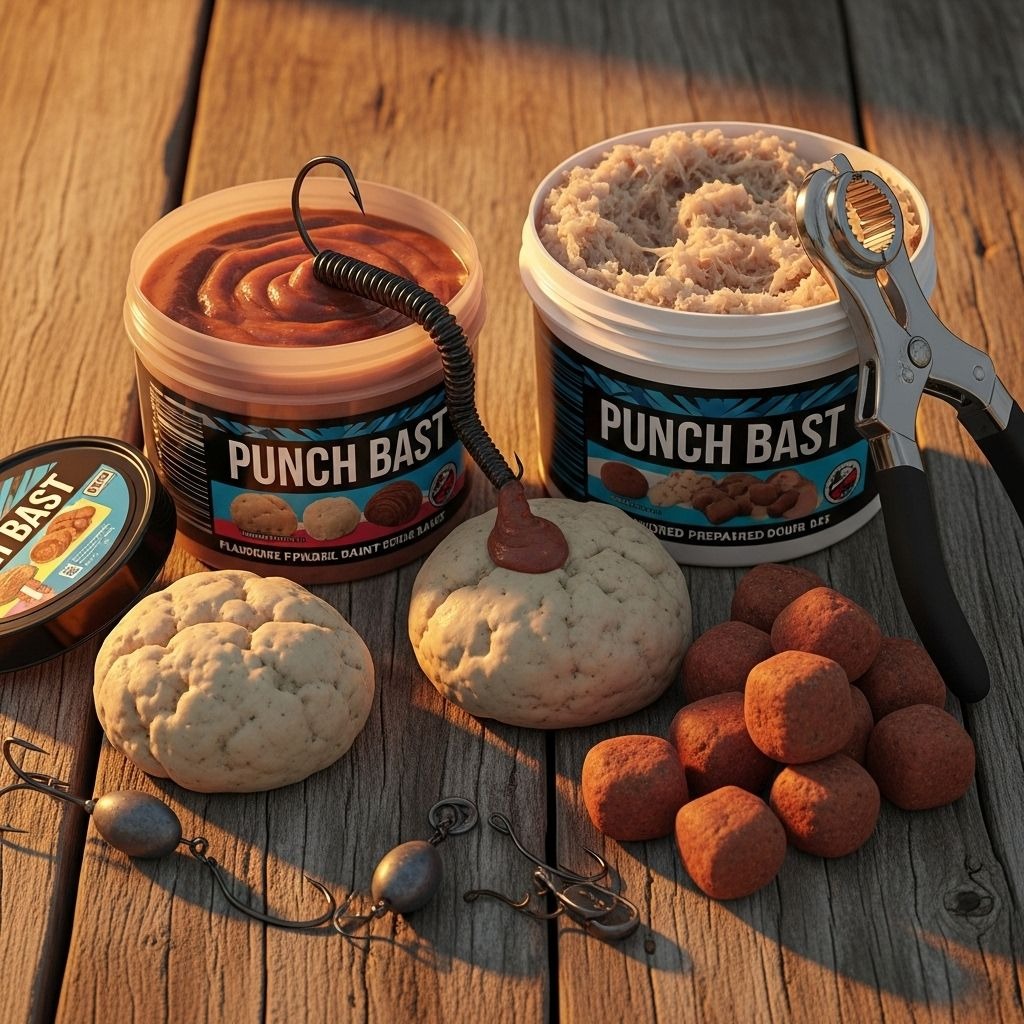
C. Dough Baits / Formulated Baits: Often Cheese or Blood-Based
These are generally pre-made, often shelf-stable, and come in tubs or jars. They are convenient and formulated with various attractants like cheese, blood, fish oils, and other “secret” ingredients. They are good all-around options for general channel cat fishing.
D. Pre-Made Chunks/Strips: Flavored and Preserved
You can find commercially prepared chunks of fish or other materials that are heavily flavored and preserved to maintain their scent and firmness. These are great for convenience, though some anglers prefer the raw potency of fresh cut bait.
Homemade Catfish Bait Recipes: Get Creative!
For the dedicated angler, making your own bait is a rewarding endeavor. It’s cost-effective, allows for customization, and can often produce incredibly potent results.
A. Why DIY?
- Cost-Effective: You can often make large quantities of bait for a fraction of the cost of store-bought.
- Customizable: You can tweak ingredients and scents to match local preferences or specific water conditions.
- Potency: Many homemade recipes leverage fermentation or extremely strong, natural odors that aren’t always available commercially.
B. Key Ingredients: The Building Blocks of Stink
Homemade baits typically revolve around these components:
- Cheese: Particularly strong-smelling cheeses like Limburger or aged cheddar.
- Blood: Fresh animal blood (chicken, beef, hog) is a classic for its iron-rich scent.
- Fish Guts/Parts: The nastier, the better. Intestines, heads, and skin from oily fish.
- Garlic: A proven attractant for many fish species, including catfish.
- Animal Fats: Rendered fats or oils from bacon grease, chicken fat, etc.
- Cornmeal/Flour: Used as a binder to create dough or paste consistency.
- Flavorings: Anise, vanilla, even sugary drinks for fermenting.
C. Simple Recipe Ideas (e.g., Blood & Cheese Bait)
A classic involves blending strong cheese with blood, garlic powder, and a binder like flour or cornmeal until it forms a thick paste. You can let it ferment in a sealed container for a few days (or weeks, if you’re brave) to maximize the stink. Just be prepared for the odor!
D. Fermentation: The Secret to Extra Stink
Allowing natural baits or homemade mixtures to ferment (rot slightly) significantly increases their scent profile. This process breaks down organic matter, releasing potent amino acids and compounds that catfish can’t resist. Store fermented baits in airtight containers outside, away from living spaces!
Bait Presentation & Rigging: Make Your Bait Irresistible
Having the best bait is only half the battle. Presenting it correctly can mean the difference between a frustrating outing and a successful one.
A. The Carolina Rig: Versatile and Effective for Bottom Fishing
This is arguably the most popular and versatile rig for catfish.
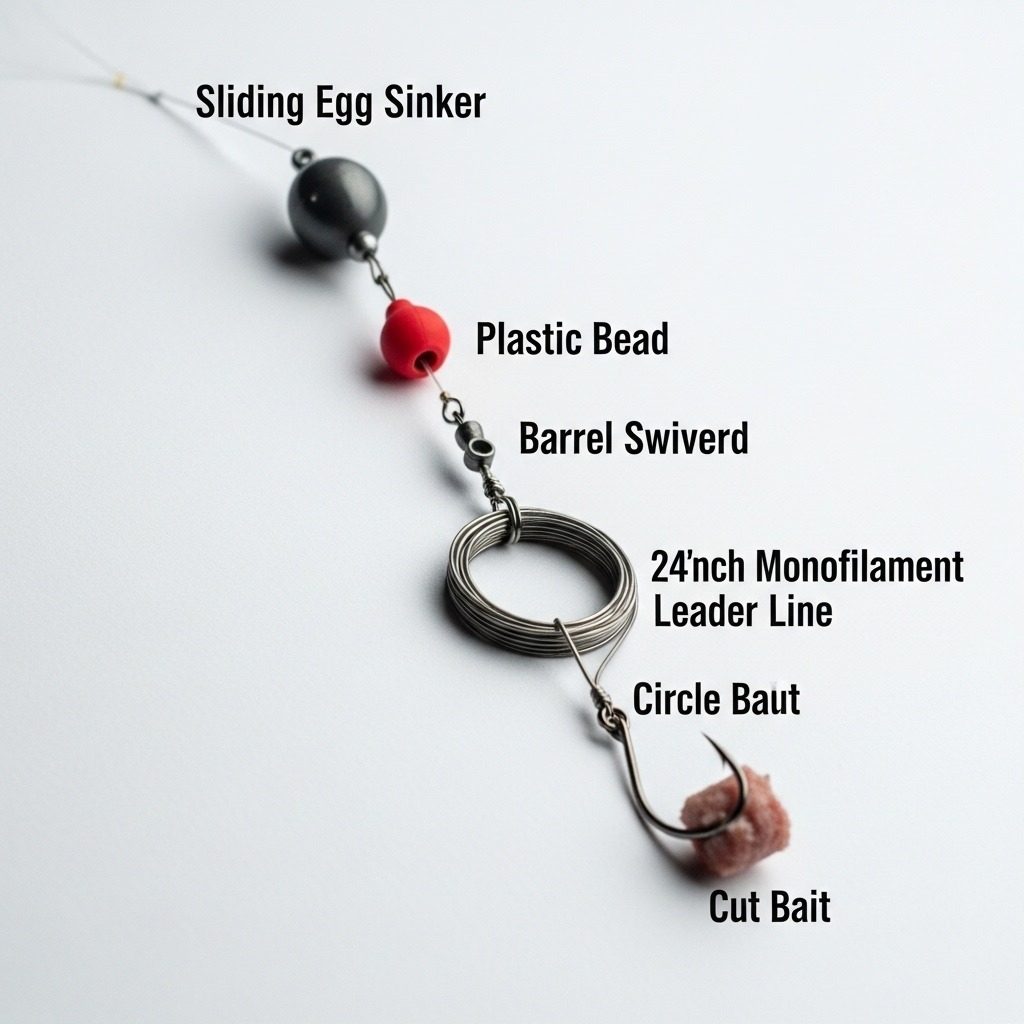
- Components: It consists of a sliding egg sinker, followed by a bead (to protect the knot), then a barrel swivel, and finally a leader line (12-36 inches) tied to your hook.
- Why it works: The sliding weight allows the catfish to pick up the bait without feeling immediate resistance, which can make them drop it. It’s excellent for fishing on the bottom.
B. The Santee Cooper Rig: For Fishing Off the Bottom in Current
A variation of the Carolina Rig, the Santee Cooper Rig includes a float on the leader line, just above the hook.
- Why it works: This float lifts the bait off the bottom, presenting it just above snags and allowing it to drift naturally in the current, creating a more visible and accessible target. Great for fishing over muddy bottoms or light vegetation.
C. Circle Hooks: Essential for Safety and Hooking
Using circle hooks is critical for catfish, both for conservation and effectiveness. Learning how to tie a hook on a fishing line with a snell knot can optimize your performance.
- Mechanism: Designed to hook the fish in the corner of its mouth as it tries to swim away, minimizing gut hooks.
- Advantage: Less harm to the fish, easier release if you’re practicing catch and release. No need to “set the hook”—just let the fish load the rod.
D. Bait Holders: Keeping Soft Baits on the Hook
For extremely soft baits like chicken liver or dip baits, specialized hooks with springs, coils, or sponges help keep the bait attached.
E. Scent Boosters: Garlic, Anise, Commercial Sprays
Even if your bait is smelly, you can enhance it. Garlic powder, anise extract, or commercially available scent sprays can be added to natural baits or even used to “recharge” pre-made baits.
Strategic Bait Use: Beyond Just the Bait Itself
The “best” bait isn’t just about what’s on the hook; it’s about how you use it in conjunction with other factors.
A. Matching Bait to Water Conditions:
- Murky Water: The smellier, the better. Catfish rely heavily on scent in turbid conditions. Stink baits, cut bait, and chicken liver are prime choices.
- Clear Water: While scent is still important, presentation becomes more critical. Natural baits (worms, live bait) or less intensely odorous cut baits might be preferred, with a focus on natural drift.
B. Seasonal Adjustments:
- Spring/Summer: Catfish are active and feeding aggressively. Most strong-smelling baits will work.
- Fall/Winter: Metabolism slows down. Focus on high-protein natural baits, such as fresh cut bait or live bait, as they are looking for nutrient-dense meals.
C. Location, Location, Location: Placing Bait Where Catfish Feed
Even the best bait is useless if it’s not where the fish are.
- Channel Catfish: Look for them in channels, holes, current breaks, and around submerged timber or brush piles in rivers and lakes.
- Blue Catfish: Often found in deeper holes, river bends, and main channels of large rivers and reservoirs. They frequently follow baitfish schools.
- Flathead Catfish: Almost exclusively hide in heavy cover like log jams, brush piles, or submerged rock piles during the day. They’ll venture out to hunt at night.
D. Chumming: Attracting Fish to Your Area
While not legal everywhere, chumming (throwing small amounts of bait into the water to create a scent trail) can attract catfish to your fishing spot. Use small pieces of cut bait, stale bread, or corn. Always check local regulations before chumming.
Advanced Tips for Catfish Success
You’ve got the bait knowledge. Now, layer on these pro tips for consistent success.
- A. Freshness Matters (even for “stinky” baits): Even if you want a “stinky” bait, start with fresh ingredients for DIY recipes. The fermentation process creates the right kind of stink, not just spoilage.
- B. Patience is Key: Catfish are not always aggressive biters. Give your bait time to work and the scent to disperse. Sometimes, a subtle nibble turns into a full bite.
- C. Rod & Reel Setup: You need a medium-heavy to heavy action rod with a strong reel spooled with at least 15-30 lb monofilament or braided line. Catfish can be surprisingly powerful. Proper how to set up a fishing rod is crucial for handling heavy fighting fish.
- D. Learn Your Local Waters: What do the catfish in your particular lake or river prefer? Ask local bait shops, read fishing reports, or join local fishing forums. Every body of water is unique.
- E. Consider Environmental Factors: Things like water temperature, clarity, and even how does barometric pressure affect fishing can influence catfish feeding behavior.
- F. Don’t Forget Your License: Before you even cast a line, ensure you have the proper fishing license for your state. You can find information on fishing regulations and licenses through resources like TakeMeFishing.org.
FAQ: Your Catfish Bait Questions Answered
Q1: What’s the absolute best bait for monster catfish?
A: For truly monster blue and flathead catfish, fresh cut bait (especially shad, herring, or skipjack) or live bait (bluegill, sunfish) are generally considered the most effective. For giant channel cats, extremely potent homemade stink baits or fresh cut bait can work wonders.
Q2: Can I use hot dogs for catfish bait?
A: Yes, absolutely! Hot dogs are a surprisingly effective and convenient bait for channel catfish, especially smaller to medium-sized ones. You can enhance their appeal by soaking them in garlic, Kool-Aid, or other strong scents.
Q3: How long should I leave bait in the water?
A: It depends on the bait and water conditions. Stink baits often need reapplication every 20-30 minutes in current. Natural baits like worms or cut bait can last longer, often 1-2 hours. If you’re not getting bites after 30-45 minutes in a promising spot, it’s often better to check your bait or move to a new location.
Q4: Does catfish bait expire?
A: Yes, most catfish baits, especially natural ones, expire. Freshness is key for cut and live baits. Prepared baits have a shelf life, usually indicated on the packaging. Homemade baits often spoil quickly unless properly preserved or fermented, so use them quickly or store them appropriately (often refrigerated or frozen, or in a sealed, outdoor container for fermented types).
Q5: What’s the difference between dip bait and punch bait?
A: Both are types of stink baits. Dip bait is very gooey and liquid, requiring a specialized bait worm or sponge to hold it. Punch bait is thicker and fibrous; you “punch” your hook into it, and the fibers cling to the hook, allowing it to stay on better than dip bait.
Conclusion: Unlock Your Catfish Potential
There’s no single magic bullet when it comes to the best catfish bait. But by understanding catfish’s incredible senses, matching your bait to the species you’re targeting, and mastering presentation techniques, you elevate your game dramatically.
Stop hoping and start strategizing. Get out there, experiment with different baits and methods, and discover what works best on your local waters. The thrill of a screaming reel and the tug of a big catfish is waiting for you. Happy fishing! You’ve got this.